Crystal Stone Identifier: A Detailed Exploration

Intro
The climb into the world of crystals is more than just appreciating their beauty; it's an exhilarating journey into the heart of nature’s craftsmanship. Each stone comes with its own tale, speaking of the environments they've been through and the energy they carry. For those enchanted by these natural wonders, mastering crystal identification can unlock a deeper understanding and enhance the collecting experience. This guide seeks to shine a light on the art of crystal identification, ensuring that both budding and seasoned enthusiasts alike can navigate the complex landscape of collectors’ treasures with greater ease and confidence.
History and Origins
Overview of Collectibles, Rocks, and Fossils
At the intersection of geology and human curiosity lies the unique allure of crystals, rocks, and fossils. From time immemorial, cultures around the world have sought after these treasures, often believing they held mystical properties. Ancient Egyptians crafted amulets from lapis lazuli, convinced of its protective powers, while the Native Americans revered quartz and other stones as sacred instruments for healing. The fascination with these natural collectibles isn't merely historical but has inscribed itself into our cultural narratives, where each piece tells a part of humanity’s ongoing relationship with the Earth.
Unraveling the history behind these treasures reveals a tapestry rich in significance. Fossils, often deemed as nature's snapshots, provide clues about life forms that roamed the planet millions of years ago. Meanwhile, rocks serve as a reminder of the dynamic geological processes that shape our landscapes. Understanding the origins of these materials is key for enthusiasts aiming to build a distinguished collection.
Historical Significance and Cultural Impact
Crystals and rocks were more than just pretty baubles in the past; they were embedded in rituals and everyday life. Civilizations, such as the Greeks, valued certain crystals not just for their appearance, but for their believed attributes. Crystals like amethyst, often linked to clarity and tranquility, were used in various cultural practices—from adornments to talismans aimed at enhancing wisdom.
On a global scale, the quest for these minerals has often led to trade routes that opened communities to new ideas, goods, and exchanges. The Silk Road, for example, facilitated the movement of precious stones, which dramatically influenced art and culture across continents. Understanding these historical contexts not only enriches the narrative surrounding crystals but also deepens the appreciation of their role in connecting humanity with the rich tapestry of Earth’s geological history.
Identification and Classification
Guide to Identifying Rocks and Fossils
Identifying crystals and stones can feel like piecing together an ancient puzzle. However, stepping through various characteristics can make the challenge significantly easier. When tackling crystal identification, consider these factors:
- Color: The surface color of a crystal can offer essential insight, but always remember different minerals can exhibit a variety of hues.
- Hardness: Using Mohs scale, which ranges from talc (1) to diamond (10), can help classify hardness effectively.
- Cleavage and Fracture: Look at how a crystal breaks—smooth flat surfaces indicate cleavage, while irregular breakage showcases fracture.
- Luster: Note if the crystal appears shiny (metallic) or dull (non-metallic).
Getting familiar with these traits opens the door to understanding the properties and grouping of different stones. Caution must be taken, though. For example, some quartz varieties might look identical at first glance yet differ vastly in value and rarity.
Common Types and Variations
The world of crystals is vast, boasting an array of types and varieties. Here is a brief overview of some common types:
- Quartz: Often clear or white, quartz is one of the most abundant minerals, available in many forms including citrine and rose quartz.
- Amethyst: A striking purple variety of quartz, amethyst is cherished for its supposed calming and protective qualities.
- Obsidian: This volcanic glass, typically black, can also be found in beautiful variations such as snowflake obsidian, which has white speckles.
- Calcite: A versatile mineral, calcite appears in a range of colors from clear to bright orange depending upon impurities.
By understanding these common types, collectors can develop a keen eye for identifying and appreciating the nuanced features that differentiate one stone from another. Collecting crystals blends science, art, and history, weaving a rich narrative that enthusiasts are eager to explore.
Understanding Crystal Stones
Understanding crystal stones is the cornerstone of identifying and appreciating these extraordinary natural creations. This section aims to provide insights into the vast world of crystals, which serve not just as attractive collectibles but also as windows into the complexities of Earth’s geological processes. Grasping the foundations of what crystals are and how they vary lays the groundwork for successful identification. For enthusiasts, such knowledge can enhance their enjoyment and deepen their connection to these remarkable geological formations.
Defining Crystals
Crystals are solid material whose constituents—such as atoms, molecules, or ions—are arranged in an ordered pattern extending in all three spatial dimensions. Think of them as nature's artwork, painstakingly formed over eons through mineral processes. When you look at a crystal, you're not just gazing at a pretty object; you're peering into the history of our planet. It’s a vital concept that shapes how we treat and identify them throughout this guide.
Classification of Crystal Types
Crystals can be broadly classified into three main categories: minerals, organic, and synthetic crystals. Each category has its own unique traits, contributing differently to the study and collection of crystals.
Minerals
Minerals are naturally occurring substances with a crystalline structure. They are the backbone of crystal identification. For instance, quartz and calcite are two popular minerals in the collecting community. The key characteristic of minerals is their natural origin, which not only makes them unique but also reflects their geological history. A vital advantage of using minerals in this article is that they provide a natural benchmark against which other crystals can be measured, yet they can sometimes pose challenges due to similar appearances.
Organic Crystals
These crystals include substances derived from biological processes. Examples are jet, which originates from decayed wood, and amber, a fossilized tree resin. The defining characteristic of organic crystals is their biological origin. They often carry a story of life and transformation, making them popular among enthusiasts looking for more than just a pretty stone. Their unique feature is their connection to history and the ancient ecosystems from which they originated. While organic crystals can introduce more complexity in identification due to their varied sources, they certainly enrich the collector’s journey.
Synthetic Crystals
Synthetic crystals are man-made and produced under controlled environments using processes that mimic natural conditions. Examples include cubic zirconia and lab-grown diamonds. A key characteristic is the ability to create identical stones despite them lacking the unique geological history of natural crystals. They are often more affordable and accessible, which makes them appealing to many collectors. However, this uniformity can also detract from their allure for those who cherish the individuality found in natural specimens. While the advantages of synthetic crystals lie in their availability and cost, their lack of authenticity can sometimes limit their desirability.
The Science of Crystal Formation
Delving deeper, understanding the science behind how crystals form can enrich one’s appreciation for their beauty. Each property intertwined—mineral composition, environmental conditions, and crystallization processes—shapes how crystals appear and behave.
Mineral Composition
The composition of a crystal is critical in determining its properties, such as hardness and color. A crystal’s mineral makeup can lead to fascinating variations in appearance and utility. For example, calcite can come in colors like white, blue, or even pink, depending on its impurities and crystal structure. Understanding this aspect allows collectors to better identify and appreciate their specimens, making it a foundational part of this guide.
Environmental Factors
The conditions under which a crystal forms—temperature, pressure, and the chemical environment—have significant effects. For example, quartz can form in a variety of settings, ranging from volcanic to sedimentary environments. The distinct characteristics gained during formation amplify identification nuances. Variability in these factors underscores the importance of recognizing that not all crystals are created equally. Different environmental conditions result in diverse properties.
Crystallization Process
The crystallization process is where the magic happens. This is when molecules begin to organize themselves into a structured form. Cooling molten rock, evaporating water, and even metamorphic processes can trigger crystallization. Each method lends unique features to the crystal. For instance, crystals formed by cooling magma often have larger, well-defined shapes compared to those formed from quick evaporation. Thus, recognizing these processes can aid in identification, providing hints about a crystal's origin and makeup.
The above segments provide a comprehensive foundation for understanding crystal stones, setting the stage for further exploration in identifying and appreciating these natural wonders.
Methods of Identification
To truly appreciate crystal stones, understanding the various methods of identification is paramount. This section serves as a detailed compass guiding collectors and enthusiasts alike through the maze of visual, physical, and chemical characteristics. By mastering these identification techniques, one can easily discern among the myriad crystals in nature. This knowledge boosts the collector's confidence, ensuring what they possess is not just pretty but also authentic—valuable in both emotional and monetary terms.
Visual Characteristics
No matter how skilled you become at identifying crystals, visual assessments remain the cornerstone of identification. From color to habit, these features often provide the first clues that lead to proper identification.
Color
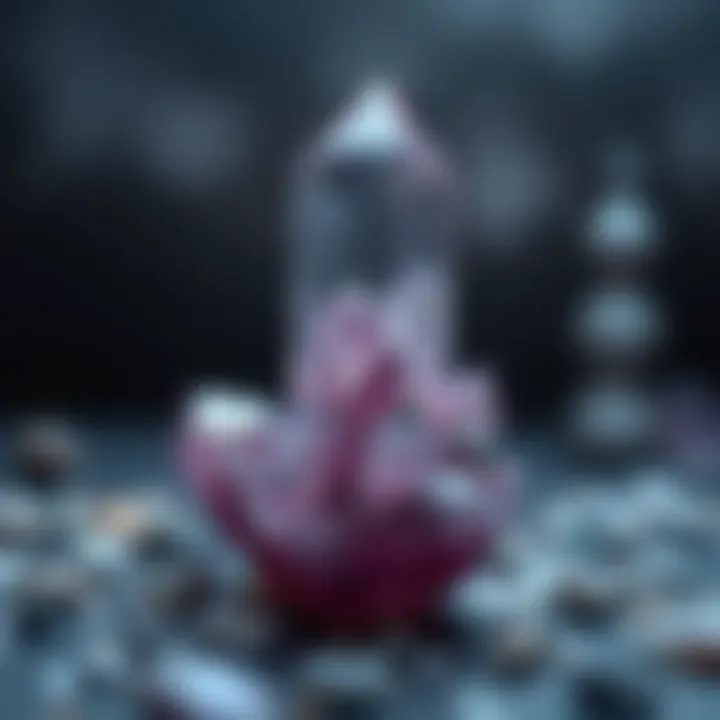
When it comes to crystals, color is one of the most striking aspects. The hues can range from translucent whites to deep, vibrant reds or greens. Each mineral exhibits certain colors due to the presence of specific elements. For instance, iron might give a stone a reddish tint, while copper can lead to blues and greens. This characteristic isn't just eye candy; it's a practical tool in narrowing down your options. However, one needs to tread carefully. Some crystals, like quartz, can come in multiple shades, making it a challenge to rely solely on color for identification.
Luster
Shining like a gem in the crown, luster serves as another hallmark in identifying crystals. This property denotes how light interacts with the crystal surface. Crystals can exhibit a metallic, glassy, or dull luster, each offering insights into their composition. For example, a glassy luster often indicates a well-formed crystal structure, making it a desirable quality in many gem enthusiasts. While luster can be an immediate indicator, the potential for misinterpretation exists—weathered crystals might lose their original shine, thus spoiling their classification.
Transparency
When you peer through a crystal, is it a window to another world or just a foggy view? Transparency describes how light passes through the crystal. Some crystals are fully transparent like clear quartz, while others are opaque. This distinction can be particularly useful. For example, an opaque amethyst can easily be mistaken for another stone if one neglects the transparency factor. On the flip side, highly transparent crystals can be seen as more valuable in the eyes of collectors due to their brilliance.
Habit
The habit of a crystal refers to its growth pattern and physical shape. Crystals can grow in various forms, like clusters, hexagonal prisms, or even more complex geometries. Understanding crystal habits can tremendously assist in identification—certain shapes might be exclusive to specific mineral families. However, one must temper enthusiasm with pragmatism, as single crystals might exhibit different habits depending on the conditions under which they grew.
Physical Properties
While visual characteristics are important, the physical properties of a crystal often reveal more about its identity. These properties provide tangible metrics for identification that go beyond mere appearance.
Hardness
Describing the ability of a crystal to withstand scratches, hardness is measured through the Mohs scale. This scale ranges from talc, which is quite soft, to diamond, the hardest of them all. Collectors often appreciate the importance of hardness; a soft crystal like calcite may chip and lose value if mishandled. Understanding hardness not only guides collectors but also helps educate them about the crystal's placement in nature's hierarchy of resilience.
Cleavage
Cleavage refers to the way a crystal breaks along specific lines, often revealing flat surfaces. Different minerals exhibit unique cleavage patterns, making this a fascinating identifier. Knowing whether a crystal will break smoothly or fracture unevenly gives insight into its atomic structure. For example, biotite mica has perfect cleavage, which allows it to peel off in thin sheets. However, reliance solely on cleavage might lead to confusion as some minerals do not exhibit any notable cleavage at all.
Fracture
In contrast to cleavage, fracture describes how a crystal breaks when it does not follow its natural planes. Fractures can be conchoidal, uneven, or fibrous. Understanding fracture types provides deeper insights into the internal structure of the mineral, adding another layer to identification. For instance, if you encounter a crystal with a conchoidal fracture, you might immediately think it's quartz or obsidian—two minerals famed for this feature. However, distinguishing between them may require cross-referencing additional properties.
Specific Gravity
Finally, specific gravity refers to the ratio of the density of a mineral compared to that of water. This property provides a quick, efficient way to determine the mineral identity since differing crystals uniquely occupy their space relative to weight. Collectors often carry a scale to measure specific gravity on-site, allowing for immediate differentiation. However, without an accurate balance, results can lead you astray, pointing to the importance of careful measuring practices in the field.
Chemical Tests
Beyond visual and physical inspections, diving into chemical tests adds a scientific flair to crystal identification. These tests can yield definitive answers that visual checks cannot.
Acid Tests
Often used to handle carbonates, the acid test involves applying a small amount of acid to the crystal. If it fizzes or bubbles, you may be dealing with a carbonate mineral, such as calcite. This method confirms identity swiftly, but the downside lies in its destructive nature—once initiated, some tests can't be reversed.
Reactions to Heat
Reactions to heat test the stability of minerals under thermal conditions. Some crystals may change colors, emit gases, or even melt depending on their composition. This type of test can act as a preliminary sorting method. However, the risk is ever-present; heating can damage fine specimens, making it vital to use this method sparingly and with caution.
Solubility Tests
Finally, solubility tests involve dissolving a mineral in various solvents to identify its components. Certain minerals may dissolve in acid while others may not budge. This definitive test can assist in differentiating similar-looking minerals, thus adding a crucial piece to your identification puzzle. Yet, like the acid tests, there’s a caveat to the practice—some solvents may be hazardous and should be handled with care.
By understanding and effectively utilizing these identification methods, a collector can elevate their practice from simple admiration to genuine expertise in discerning the true nature of crystal stones.
Tools and Resources for Identification
When one embarks on the journey of crystal identification, having the right tools and resources can make all the difference. The world of crystals is varied and immense, and without suitable aids, the process of recognizing and understanding different types might feel like navigating a labyrinth without a map. Good resources can enhance one’s identifying skills significantly, enabling enthusiasts to delve deeper into this fascinating domain.
Identification Kits
Essential Contents
Having a well-equipped identification kit can be a game-changer for collectors. At its core, an ideal kit should include a variety of tools like a magnifying glass, a streak plate, and a hardness testing kit. The magnifying glass allows for closer examination of the crystal’s surface, revealing inclusions and surface textures that may not be visible to the naked eye. The streak plate helps identify the true color of minerals, providing insights that can often distinguish a crystal from a similar-looking impostor. The hardness testing kit, often using a series of reference objects, enables you to determine the hardness of a crystal, a fundamental property key to identification.
This kit not only provides the basics every crystal collector should have but also fosters a hands-on learning environment that is beneficial for both novices and seasoned enthusiasts alike.
Usage Tips
Using identification kits effectively can greatly improve your understanding of crystal characteristics and enhance your identification skills. First, ensure you familiarize yourself with each tool before you venture into your crystal hunts. For example, practice using the magnifying glass by examining various types of stones around your home or neighborhood. This way, you’ll get a feel for textures and visual indicators. Another tip is to keep a reference guide at hand when using the kit; combining real observation with textual information reinforces learning. You can also set up a small sample area outside, away from natural elements, where you consistently test different crystals. This practice spot will help you in honing your identification skills under controlled conditions.
Mobile Applications
Popular Apps
In the age of technology, many crystal enthusiasts benefit from mobile applications designed specifically for identification. These apps can range from databases that hold extensive information about crystals to augmented reality tools that enhance your hands-on experience. For example, applications like Gem Radar and Rock Identifier use image recognition technology which allows users to take a picture of a crystal, quickly suggesting potential matches. The ability to access extensive libraries of crystals right from your phone makes these apps incredibly valuable when you’re out in the field or simply studying at home.
The convenience of using an app on the go can’t be understated; it brings a tactile learning experience to digital life, merging the two worlds into an accessible interface.
Functionality Features
Mobile applications often come packed with useful features tailored to enhance the user experience. Features like community forums, where users can share their finds and ask for opinions, create a support network for collectors. Moreover, many apps offer push notifications about crystal identification workshops or nearby events, which can help keep you plugged into the community. While some apps require a subscription for premium features, the knowledge and assistance they offer often make them a worthwhile investment for dedicated crystal enthusiasts.
Books and Reference Guides
Recommended Titles
Tackling crystal identification through literature can provide depth and context often missed in hands-on experiences. There are numerous highly recommended titles that cater to every level of expertise. Books such as "The Crystal Bible" by Judy Hall contain detailed descriptions, identification methods, and even metaphysical properties associated with various stones. This creates a holistic understanding that goes beyond mere identification. These books are more than mere guides; they serve as companions to enhance your learning and provide a wealth of information, ensuring you continue to grow and cultivate your passion.
How to Choose the Right Guide
Choosing the correct reference guide can seem daunting given the extensive options available, but it doesn't have to be. Look for books that start from the basics and gradually progress to more intricate details. A book that offers images for visual reference alongside written descriptions is also a strong choice. Additionally, read through reviews or recommendations from established communities; forums on sites like reddit.com can help illuminate which books are genuinely beneficial. Checking out your local library or a nearby bookstore can give you a feel for the content before making a commitment. Ultimately, identify a guide that resonates with your learning style and provides the practical information you need for identification.


Proper tools and resources are the backbone of successful crystal identification, enabling enthusiasts to elevate their collecting experience.
Common Challenges in Crystal Identification
Identifying crystal stones accurately is no small feat, and various challenges arise in this intricate process. For enthusiasts and collectors, overcoming these hurdles is crucial to ensure they have a genuine grasp on their collections. Misidentification and the understanding of environmental factors play significant roles in the identification procedure. Each of these challenges brings along its own set of complexities, and a deeper appreciation for the nuance involved serves to enrich the entire experience of crystal collecting.
Misidentification Issues
Similar-Looking Crystals
One of the foremost challenges in crystal identification arises from similar-looking crystals. Many crystals share physical properties that can easily confuse even experienced collectors. A prime example is the common confusion between quartz and citrine; their appearance can be strikingly alike, making it a real puzzle to distinguish between the two. This aspect is pivotal to the overall comprehension of crystal identification, as a misstep could lead to claiming possesssion of a more valuable stone than what one actually has.
The key characteristic of these similar-looking crystals is their visual similarities and often the same geographical origins. This commonality can lead collectors down a rabbit hole of uncertainty. Thus, it becomes essential to harness the specific properties of each crystal type to avoid falling victim to misidentification.
These crystals may share some common physical qualities, which can be beneficial during identification but are, frankly, a double-edged sword.
Impostors and Counterfeits
In the world of crystals, the threat of impostors and counterfeits looms large. These fakes can run the gamut from synthetic stones to cleverly unidentifiable replicas that look remarkably like their natural counterparts. The presence of such impostors poses a significant challenge in ensuring that one’s collection is authentic and not just an assortment of cleverly crafted duplicates.
The defining feature of these impostors is their misleading appearances; they often seem just as captivating as genuine stones, yet may lack the intrinsic qualities that make real crystals special. Their inclusion as a category in this guide is vital because it brings awareness to collectors: being able to discern the genuine from the facsimile is critical in establishing the credibility of a collection.
Understanding the existence of these types can educate collectors on inspection techniques that reveal differences, such as specific weight and feel, leading to a more discerning eye when it comes to selecting crystals.
Environmental Factors
Alterations Caused by Weathering
Over time, alterations caused by weathering can significantly affect the appearance of crystals. Natural crystals may experience erosion or discoloration due to varying environmental conditions. Such changes can mask their original features, complicating identification efforts for collectors eager to decode their origins. This characteristic emphasizes the dynamic nature of crystals; they are not static but are subject to change as time marches onward.
These alterations can act as a caution flag. Collectors need to be aware that external elements like humidity and temperature can affect the integrity and visibility of certain minerals. Understanding weathering offers insight into how best to maintain crystals to preserve their beauty and clarity—this can be a choice of preservation techniques that are essential to the welfare of any collection.
Impact of Surrounding Minerals
The impact of surrounding minerals is another dimension to consider in the identification journey. Minerals present in close proximity can often influence the crystal growth and coloration of the specimen being analyzed. This interplay can create complexities that mislead collectors regarding a crystal’s true nature. For instance, some crystals may exhibit hues or patterns influenced by nearby minerals, and this can lead to confusion if one doesn't have a working knowledge of these interactions.
This aspect is relevant as it broadens the understanding of crystal context. Knowing that a mineral's traits can be shaped by nearby substances serves as a reminder that crystal identification isn’t simply about observing a single specimen, but rather, it’s about understanding the environment in which that crystal flourished.
Gathering Accurate Data
Sample Integrity
Sample integrity is integral in the world of crystal identification. If the sample is chipped, broken, or otherwise damaged, identifying it correctly can become quite the challenge. The overall condition of a crystal can potentially obscure its defining properties, leading to misidentification. This consideration becomes particularly important, especially when dealing with fragile minerals prone to breakage over time.
Furthermore, being conscious of sample integrity helps collectors formulate best practices when handling and displaying their stones. Proper care ensures that the original features remain intact for accurate identification and appreciation.
Documenting Observations
Documenting observations during the identification journey is exceedingly valuable. Recording details such as the location of find, distinctive features, and any noticeable variations can facilitate more effective identification. The habit of documenting allows collectors to build a narrative around each piece, enabling a better understanding of the stone’s background.
The unique feature of this practice lies in its contribution to the rich tapestry of knowledge that comes with collecting. Having a thorough record of facts can assist in future identifications not only for the individual collector but also enhance the community by sharing valuable insights and crucial details.
Caring for Your Crystal Collection
Caring for a crystal collection is not just about protecting an investment; it’s about respecting the beauty and natural history encapsulated in each gem. Proper care ensures the longevity of these stunning specimens while allowing enthusiasts to fully appreciate their unique qualities. This process encompasses a few vital areas: cleaning methods, thoughtful storage solutions, and effective documentation practices. Without these considerations, one might find their collection deteriorating or losing the magic that first drew them in.
Cleaning Techniques
Gentle Cleaning Methods
When it comes to cleaning crystals, gentle methods are essential. The idea is to maintain the integrity of the crystal while removing any dirt or residues that might accumulate over time. Using a soft brush or a microfiber cloth usually does the trick. Experiencing dirt is common for crystals, especially when they are displayed outdoors or in areas with higher air pollution.
One key characteristic of these gentle solutions is their effectiveness without harsh chemicals. For instance, employing distilled water or soap with natural ingredients can yield a sparkling sheen safely. However, remember that some stones are more porous than others, such as malachite. This can absorb moisture and potentially lead to damage if soaked too long. Thus, it’s wise to always look up the care recommendations for each type of crystal before diving head first into a cleaning spree.
Safe Cleaning Solutions
Safe cleaning solutions, such as natural soaps and mild detergents, present another viable option for maintaining crystal health. A key characteristic of these solutions is their formulation; designed to cut grime without obliterating the crystal's surface or causing discoloration.
Using solutions that are pH balanced is also popular. They help to maintain the essence of the crystal's natural luster. Regular household items like vinegar can be quite harsh on certain minerals and might even lead to permanent damage. The main advantage of safe cleaning solutions is providing a peace of mind, knowing that no toxic chemicals are involved, which is especially beneficial for collectors with kids or pets around.
Storage Solutions
Display Options
Display options serve multiple purposes: they enhance the beauty of the collection, protect the stones, and often reflect the personality of the collector. Displaying crystals in cases made of glass or acrylic keeps them visible while safeguarding them from dust and potential scratches. Many crystal enthusiasts opt for shelves designed specifically for this purpose, allowing for an eye-catching layering effect.
However, it is important to note that some display options might restrict light exposure. This is crucial for light-sensitive crystals which can fade over time. Choosing a display that encourages airflow while also maintaining visibility can be a challenge but pays dividends in keeping your crystals vibrant.
Avoiding Damage
Avoiding damage during storage is key to ensuring a crystal's longevity. A common mistake is overcrowding display spaces, which often leads to scratches and chips. Each crystal has its own hardness; softer minerals may be susceptible to harm if they are in close quarters with harder crystals.
One beneficial approach is to utilize individual cloth bags for frequent rotation between display and storage. It allows the keeper to rotate display pieces while minimizing risk. This method ensures maximum exposure to admiration while being guarded against environmental hazards. By adopting thoughtful storage methods, one can effectively protect valuable family heirlooms or precious finds from the wild.
Documentation Practices
Creating Inventory
Creating an inventory is an essential part of caring for a crystal collection that many collectors sometimes overlook. Having a documented list of your collection allows for clear understanding and assessment of its value and uniqueness. Each entry can include details such as the crystal type, date acquired, and any noteworthy features. This practice enhances overall organization, making it easier to find specific stones when desired, instead of searching high and low when the need arises.


"Documentation not only preserves the integrity of your collection but also enriches the collector's journey."
A beneficial aspect of creating inventory is identifying gaps where additional pieces can enhance the collection’s variety and appeal. However, crafting a thorough inventory can take some time and dedication, especially for larger collections, but it is undeniably worthwhile.
Photographic Records
Maintaining photographic records provides another layer of documentation. This practice serves multiple purposes, from cataloging items visually to tracking changes in each piece's conditions over time. A crucial characteristic of these records is their visual nature, allowing the collector to notice subtle alterations that could indicate damage or degradation.
For instance, photographing each crystal in natural light can reveal its color depth and internal structures better than a simple description. Additionally, these images can serve as a visual guide should there ever be a need to consult a professional for appraisal or comparison. The main disadvantage is the time investment in undertaking such a task, but the payoff in terms of collection management can be significant.
The Significance of Crystals in Culture
Crystals have been cherished for ages, not just for their beauty but also for their profound meanings across different cultures. This section delves into how crystals influence human beliefs, practices, and even societal structures. Understanding the cultural significance of crystals enriches one's appreciation for their natural beauty and broadens the horizon of crystal enthusiasts, making their collection not just about the stones themselves, but about the stories and values they carry.
Mythology and Folklore
Historical Usage
Historically, crystals held mystical importance and were used in various ancient civilizations. For example, in ancient Egypt, lapis lazuli was highly regarded, often used in talismans and ornaments for its supposed protective properties. Such usage adds a layer of richness to the understanding of crystals, as it connects collectors to the beliefs and practices of their ancestors. The historical context can make a crystal feel more alive, as each piece can be seen as a fragment of history.
One notable aspect of historical usage is the idea of healing. Many cultures believed that certain stones could help with ailments. This intertwines with the modern fascination for holistic healing practices. For the crystal enthusiast, this rich history presents a dual opportunity: not only can they admire the aesthetic, but they can also appreciate the deeper meanings and historical narratives encapsulated within each stone.
Cultural Beliefs
Cultural beliefs surrounding crystals often vary drastically. In many tribes around the world, specific crystals are thought to carry spiritual vibrations that can influence one’s energy. For example, quartz is a favorite in numerous spiritual practices, believed to amplify intentions. This belief has only grown in popularity, making it a significant aspect of the modern crystal community.
The key characteristic here is the symbolic representation of stones. For collectors, understanding these symbols can enhance their engagement with the crystals in their collection. It becomes not just about possession, but understanding and living with the energy these stones are thought to possess. However, these beliefs may present challenges as cultural appropriation can also become an issue when beliefs and practices are taken out of context.
Crystals in Modern Society
Healing Practices
Today, many people turn to crystals for healing practices. The belief that stones can promote physical or emotional healing has gained traction in wellness circles. For instance, amethyst is often used to alleviate stress and anxiety, making it a favorite among spiritual practitioners. Understanding these healing practices helps focus a collector's interest, aligning their crystal choices with personal or communal wellness goals.
One notable feature of healing practices surrounding crystals is the emphasis on personal experience. Unlike pharmaceuticals, which often rely on large-scale studies, the effectiveness of healing with crystals is subjective. This can be both an advantage—allowing for individual interpretation—and a disadvantage, as scientific backing is often lacking. It presents a unique discussion point in the crystal community about the balance between empirical evidence and personal belief.
Collecting Trends
Collecting trends in the realm of crystals have shifted dramatically over recent years. What was once a niche hobby has transformed into a major trend, driven largely by social media. The rise of platforms like Instagram has shown how deeply people connect with these stones, often sharing their collections and experiences. Tumbled stones and raw formations are prominently featured, reflecting varying tastes among enthusiasts.
The key characteristic of modern collecting is accessibility. With numerous online shops and resources like Reddit’s crystal community and Facebook groups, more people than ever are entering the collecting space. Yet, this increased accessibility can sometimes lead to over-saturation and even issues with authenticity. Collectors must therefore navigate this landscape with discernment, ensuring they gain genuine pieces that reflect true value and history.
“Crystals are not just rocks; they are living stories waiting to be uncovered.”
Further Exploration and Community Resources
When it comes to crystal identification, understanding the nuances often requires more than just a good book or app. Further exploration into community resources can significantly enhance your journey as a collector. Engaging with collectors' communities, both online and offline, provides various opportunities to learn from experienced enthusiasts and gain insights that might not be readily accessible in literature. Here, we’ll explore the benefits of joining these communities and participating in workshops and events.
Joining Collectors' Communities
Online Forums
Online forums are a thriving hub for crystal enthusiasts around the globe. These platforms, such as Reddit and dedicated crystal identification websites, allow collectors to share their findings, ask questions, and discuss experiences. What sets online forums apart is the real-time interaction among members. You can post a picture of a crystal you’re uncertain about and receive feedback within minutes.
Moreover, forum threads often become a living library of information. Experienced members offer their knowledge on specific crystals, trends in collecting, and even maintenance tips. However, while online forums are rich in collaborative spirit, keep in mind that information can vary in reliability. Always double-check facts against reputable sources.
Local Clubs and Meetups
On the other side of the spectrum, local clubs and meetups provide a tactile experience that online forums can't replace. These gatherings often feature hands-on workshops, where you can observe crystals up close and apply the identification techniques learned from articles and online discussions. A core advantage of joining a local club is the ability to build relationships with fellow collectors in your area.
Meeting face-to-face fosters a sense of community and the exchange of knowledge can feel more personal. These clubs may also arrange field trips to mineral shows or excavation sites, creating opportunities for shared adventures in search of treasures. However, finding a local club can sometimes require a bit of legwork, and such interactions might not fit everyone's schedule, especially for those who prefer engaging from the comfort of their homes.
Participating in Workshops and Events
Conventions
Conventions are a goldmine for any serious collector. They often showcase a variety of vendors selling everything from raw specimens to finished jewelry. Attending conventions gives you a comprehensive view of what's out there, along with opportunities to learn from industry experts through talks and demonstrations. A key characteristic of these events is the sheer variety of perspectives you can gain in one place – from professionals sharing cutting-edge research to hobbyists revealing their latest finds.
The unique feature of conventions is their ability to engage multiple senses – you can see, feel, and often handle crystals, giving you a better sense of their properties. However, while they promise vast learning opportunities, conventions can also be overwhelming due to the sheer volume of information presented in a short time.
Educational Seminars
Educational seminars often dive deep into specific topics related to crystal identification. They can range from the scientific principles of crystallography to practical sessions on care and maintenance of your collection. These seminars cater to different levels of expertise, making them accessible for both beginners and experienced collectors alike. What makes these seminars appealing is the focused learning environment where you can develop a deeper understanding of complex subjects.
However, the downside might be that information is often delivered in a lecture-based format, which may not engage everyone equally. Some may prefer discussions that allow for back-and-forth interactions rather than a one-way dissemination of knowledge.
By exploring these varied community resources and engagement opportunities, you lay a solid groundwork for a rewarding journey in crystal identification. The combination of online insights, local networking, and formal learning can enrich your experience and understanding of this fascinating subject.
End
In summarizing the journey through crystal identification, it becomes shatteringly clear that understanding these natural wonders requires more than just a cursory glance. It invites enthusiasts to embark on a thoughtful exploration of characteristics and properties unique to each crystal. The process of identifying crystals is not merely an academic pursuit; it instills a deep appreciation for nature’s artistry and complexity. This article has highlighted several key aspects that can elevate one’s crystal identification skills.
One significant element is the recognition of visual cues that reveal a stone's identity. Color, luster, transparency, and habit play vital roles in differentiating one crystal from another. It’s vital to be observant, as what might seem like a simple stone often has a history etched into its form and texture.
Moreover, diving into the physical and chemical characteristics of crystals—such as hardness and specific gravity—transforms the identification process into a hands-on experience. This tactile engagement not only reinforces knowledge but enriches the collector's journey. Understanding that each facet reveals a story essential for accurate identification allows enthusiasts to navigate the often murky waters of misidentification with more confidence.
Equally important is the use of various tools and resources like identification kits and mobile applications. With technology at our fingertips, accessing reliable information about crystal properties becomes a breeze, making it an exciting time for collectors. This ease of access invites both novice and seasoned enthusiasts alike to deepen their knowledge and engagement with this fascinating subject.
In retrospect, the challenges outlined in this guide, from misidentification to environmental factors affecting crystal health, underscore the layered complexities involved in crystal identification. Yet, these challenges are not insurmountable; they merely represent hurdles that can enhance one’s skill set with the right approach and resources.
“The beauty of crystal identification lies not solely in knowing what a crystal is, but in understanding why it is.”
Ultimately, the journey towards mastering the art of crystal identification goes beyond mere classification—it’s about cultivating a connection to nature and our shared Earth history. As you continue to explore and expand your collection, remember that each crystal offers a chance to unearth stories tucked away in their iridescent depths. By reflecting on this journey, enthusiasts can carry their passion forward, promoting knowledge and community engagement in crystal identification.
For further reading, resources such as Encyclopedia Britannica can provide more depth on geological principles, whereas community forums like Reddit foster vibrant discussions for crystal enthusiasts.