Factors Affecting the Price of Real Rose Quartz
Intro
Real rose quartz, often referred to as the stone of love and healing, has captured the hearts of many collectors and enthusiasts alike. Its soft pink hue and translucent glow make it a visually appealing mineral, but beyond just aesthetics lies a complex world of pricing that reflects much more than mere beauty. Several factors contribute to the cost of authentic rose quartz, from quality to sourcing locations and market demand. This dynamic interplay underpins the value of rose quartz in both casual and serious collector circles, making it crucial to understand the landscape before investing.
History and Origins
Overview of Collectibles, Rocks, and Fossils
The allure of rose quartz is not a modern phenomenon; its roots run deep in human history. Crystal collecting, specifically as it pertains to gemstones and minerals like rose quartz, has surged in popularity over the years. Collectors appreciate the uniqueness of each specimen, much akin to collecting fine art. Over time, minerals have been valued for their physical properties, aesthetic appeal, and believed metaphysical powers.
People have held gemstones close to their hearts, going back millennia. For a dedicated enthusiast, rose quartz stands out, often being the first crystal someone encounters, whether through jewelry or home décor. Its history is entwined with various cultures, where it was prized not only for its beauty but also for its presumed mystical properties.
Historical Significance and Cultural Impact
In ancient civilizations, rose quartz played a significant role. The Egyptians believed it could prevent wrinkles and bring eternal youth. Meanwhile, in the Greco-Roman world, it was often seen as a talisman of love and beauty. Various cultures have passed down beliefs surrounding love, harmony, and healing directly tied to rose quartz, reinforcing its status in contemporary spiritual practices.
Today, as more individuals discover the powers attributed to rose quartz, its market continues to evolve. Buyers today are not merely searching for a piece of rock; they are investing in stories, traditions, and emotional connections that transcend generations.
Identification and Classification
Guide to Identifying Rocks and Fossils
Understanding what differentiates authentic rose quartz from imitators like colored glass or other minerals can be a daunting task for the novice collector. A few telltale signs can help with identification:
- Color: Genuine rose quartz displays a gentle pink hue, which should range from light to medium shades. Deep, vibrant pinks may indicate treatments or blends.
- Transparency: Quality rose quartz is typically translucent, often displaying a milky or cloudy appearance. Clarity is key in identifying quality.
- Texture: Check for fine lines or inclusions, which are common in natural stones, rather than a perfectly smooth surface.
A simple scratch test, using a piece of quartz and observing response, offers another reliable method for verification, as glass will scratch more easily, while genuine quartz will hold its ground.
Common Types and Variations
The market offers various forms of rose quartz, each with distinct characteristics. Knowing these types can give collectors a better idea of what they may be investing in:
- Raw Rose Quartz: Often found in mineral specimens or jewelry, showing off its natural shape and inclusions.
- Polished Rose Quartz: Smooth and shiny, typically used in decorative items or jewelry. The polishing process can enhance the stone's natural attributes.
- Rose Quartz Cabochons: Cut and shaped stones used for jewelry; these can command higher prices depending on the intricacy of the cut.
While the quality of each type varies, the overarching factor that influences the price is the demand within the marketplace. As tastes change and trends ebb and flow, so too does the pricing of natural and treated rose quartz.
Prologue to Rose Quartz
Exploring the topic of rose quartz is not just about understanding a beautiful stone; it involves delving into its significance across cultures, its aesthetic value, and the nuances of pricing in the market. As many collectors know, rose quartz is often referred to as the stone of love, embodying emotion and relationships. This section sets the stage for a deeper conversation about its appeal, historical roots, and factors affecting its current market standing.
The Allure of Rose Quartz
There’s something undeniably captivating about rose quartz. Unlike the stark glamour of diamonds or the dramatic flair of rubies, rose quartz presents a soft, inviting charm that draws people in. Its pale pink hue varies from blush to deep rose, creating a spectrum that resonates with many individuals.
Collectors frequently find themselves enchanted by its smooth surface and subtle variations, leading to an almost tactile relationship with the stone. Beyond aesthetic allure, many people flock to rose quartz for its supposed healing properties, which adds another layer of desirability. These qualities not only increase its marketability but also contribute to its cultural significance.
This stone’s popularity can be attributed to its role in rituals and traditions, making it a perennial favorite among those who appreciate metaphysics along with geology. Some might find themselves drawn to it during times of distress, believing in its calming energy. This emotional bond isn’t just a talking point; it can profoundly influence purchasing decisions, driving the price upwards in markets where sentiment holds value.
Historical Significance
Diving into the historical significance of rose quartz reveals a richly woven tapestry of cultures that have revered this stone throughout the ages. Dating back to ancient civilizations, rose quartz was often associated with love and beauty. The Egyptians crafted it into amulets, while in Rome, it was used to signify wealth, beauty, and a luxurious lifestyle.
In Asia, particularly in China, rose quartz has been employed in various art forms, symbolizing universality and romantic expression. These historical uses are not just relics of the past but strongly influence its current market value and desirability among collectors.
"The allure of rose quartz lies not just in its physical form but in the rich history that shapes its narrative."
Furthermore, knowledge about its historical context allows collectors to appreciate what lies beyond the price tag. Understanding how different cultures utilized rose quartz for their beliefs and aesthetics can foster a more profound appreciation for its current standing within the market.
As we continue through this article, the insights shared in this introduction will lay the groundwork for further exploration of market trends and pricing dynamics. By comprehensively understanding the stone’s allure and historical relevance, collectors can make informed decisions about their purchases and investments in rose quartz.
Market Overview
The realm of rose quartz is not just a showcase of picturesque crystals; it is a complex marketplace influenced by various factors and trends. Understanding the market overview is crucial for collectors, as it provides insights into pricing dynamics, available varieties, and emerging patterns. This knowledge lays the groundwork for making informed decisions when purchasing or valuing rose quartz. By digging into these aspects, enthusiasts can not only appreciate the beauty of the stone but also grasp its position within the wider crystal economy.
Current Pricing Trends
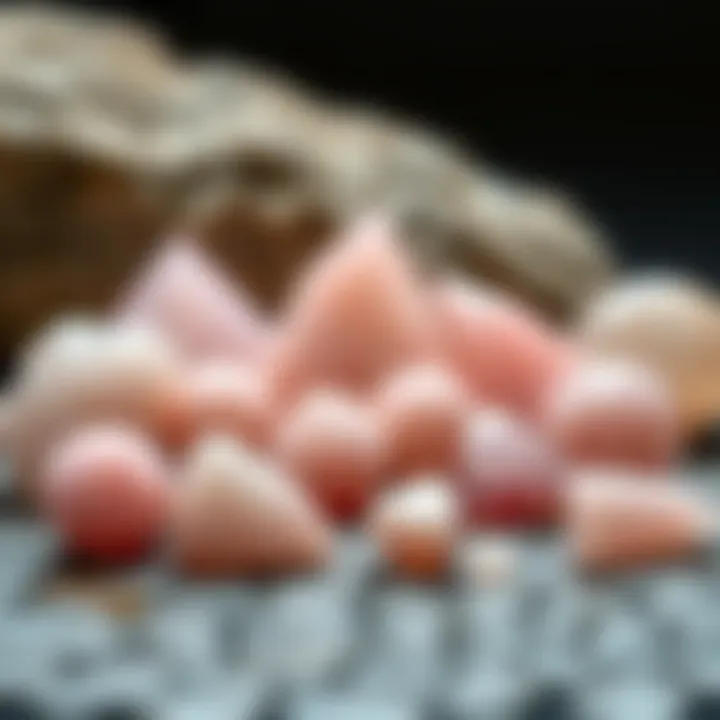
In the past few years, the pricing of rose quartz has exhibited notable fluctuations. As demand rises—especially among those with an eye for aesthetic home decor and healing crystals—the market is responding dynamically. Currently, the price range for quality rose quartz can vary widely, often resting between $5 to $50 per carat depending on specific attributes such as color saturation and clarity. This development indicates a growing market appetite, with specific shades of pink commanding higher prices.
Several online platforms and retail shops have updated their pricing strategies. For example, sellers on platforms like Etsy often offer unique pieces that can fetch higher prices due to their handcrafted nature. This trend enforces the notion that buyers are increasingly valuing authenticity and individual character over mere mass-produced options. By observing these pricing strategies, collectors can identify gaps in the market and seize opportunities when sourcing their next piece.
Factors Influencing Market Value
Rose quartz is swayed by a variety of factors that affect its market value, most notably:
- Quality Attributes: The deepness of the color and clarity play a significant role. A vibrant, translucent stone generally outperforms its faint counterparts, creating a demand spike.
- Sourcing Location: Different mining sites have established reputations depending on the quality of material they yield. For example, Brazilian rose quartz is often perceived as superior, affecting its price.
- Market Fluctuations: Economic variables such as global demand, supply chain changes, and even tourism (where collectors often buy) can heavily impact pricing on a seasonal basis.
- Trends in Aesthetics: The rise of social media influences, particularly Instagram and Pinterest, has resulted in certain styles becoming trendy, thereby influencing what types of rose quartz are sought after.
"Sourcing locations and trends are critical in determining how much you can expect to pay or receive for your precious stones."
Navigating these elements requires ongoing research and adaptation. Collectors who remain attentive to these variables are more likely to achieve better deals and enhance their collections meaningfully.
Quality Assessment
Quality assessment is a crucial part of understanding how real rose quartz is priced. Various elements influence its overall quality, which in turn affects its market value. As a collector or buyer, knowing what to look for can help you avoid pitfalls and make informed decisions.
Color and Clarity
The color and clarity of rose quartz play significant roles in determining its quality. The most sought-after hue is a soft pink, often described as blush or pastel. Remember, a more saturated pink does not automatically mean higher quality. In fact, hues with too much red can suggest impurities. Clarity is also a big deal here. Ideally, the quartz should be mostly transparent, allowing light to pass through beautifully. Look for bubbles or inclusions, which usually indicate lower quality. A piece that glows with internal light, devoid of distractions, stands out.
- Key Points:
- Soft pink shades are generally valued more highly.
- Avoid pieces with noticeable inclusions or bubbles.
- Transparency contributes to a higher market demand.
Size and Shape
When examining rose quartz, size and shape add to its desirability. Larger pieces are often rarer, thereby commanding higher prices. However, it's not just about being big. Shapes that allow for optimal light reflection, like spheres or polished cabochons, tend to be more valued than irregular formations. Every collector has personal preferences too, but generally, the more cut and refined a piece, the better.
- Considerations:
- Rarity increases with larger sizes.
- Shapes like spheres may be preferred for aesthetic appeal.
- Smaller, well-cut stones can also demand higher prices if they are exceptional in quality.
Cut and Finish
The cut and finish of rose quartz are crucial for enhancing its beauty and market value. A well-cut stone reflects light in a way that celebrates its natural qualities, be it through facets or a smooth polish. The finish should feel smooth to the touch, without any rough edges. Jewelry pieces benefit immensely from fine craftsmanship. Additionally, unique cuts can add a specialty factor that attracts collectors. It’s worth checking for uniformity in the way the stone was cut, as this can hint at the skill of the cutter.
- Attributes to Look For:
- A polished surface free from scratches is essential.
- Uniform cuts can signify skilled craftsmanship.
- Unique shapes may attract higher prices among collectors.
Understanding these quality assessments can empower collectors when making a purchase. Don’t just grab any piece because it looks good; make sure it meets the standards that will justify its value in the long run.
For more insights on choosing quality rose quartz, you may refer to Wikipedia on Quartz or browse discussions on Reddit’s Crystal Community.
Sourcing Rose Quartz
Sourcing rose quartz is a vital process in understanding its pricing and overall market value. The quality of rose quartz often stems from where it is extracted. Different mining locations yield distinct shades and characteristics of this mineral, which in turn affects demand among collectors and enthusiasts. Furthermore, the method by which rose quartz is sourced can have significant implications on its ethical standing and ecological impact.
Global Mining Locations
The world of rose quartz mining is as varied as its hues, stretching across the globe to several key regions known for their deposits. Brazil and Madagascar frequently come up when discussing high-quality rose quartz. In Brazil, the majestic mountains hide deposits that are revered for their translucent pink shades and smooth texture. Madagascar, too, offers specimens that are particularly vibrant and striking, often sought after by collectors looking for unique pieces.
- Brazil: Known for producing some of the finest rose quartz with excellent clarity. Mines in the state of Minas Gerais are the most famous.
- Madagascar: Offers stunning varieties, often with intense pinks and unusual inclusions, making it desirable.
Other areas that contribute to the market include the United States, primarily in South Dakota, and parts of Africa, each location offering its own unique take on rose quartz. Understanding these locations helps in evaluating the gem’s provenance, which plays a significant role in determining its worth.
"The character of each extraction site significantly influences the attributes of the rose quartz produced, thus informing collectors and retailers about its value."
Sourcing Practices
Sourcing practices can greatly affect the quality of rose quartz as well as the community surrounding its extraction. Responsible mining operations take care to prioritize sustainable methods; they tend to avoid large-scale damages to ecosystems and strive for minimal impact on local habitats. Conversely, less scrupulous practices—often involving illegal mining—can lead to subpar product quality and severe environmental consequences.
Key considerations for sourcing practices include:
- Ethical Sourcing: Buyers are increasingly inclined to purchase from operations that prioritize human rights and environmental sustainability. Sourcing from certified mines enhances credibility and assures collectors of the quality.
- Mined vs. Synthetic: While some rose quartz mimics are made in laboratories, knowing the difference between these and natural specimens is paramount. Synthetic options, while more uniform in appearance, often lack the history and unique characteristics that natural quartz presents.
The integration of responsible sourcing practices not only elevates the perceived value of rose quartz but also supports fair trade in the industry. As such, buyers are encouraged to seek out suppliers who can provide transparency regarding their mining methods and the origins of their stones. Links to resources such as The Gemological Institute of America and The International Gem Society offer further insights into best practices in sourcing and ethical considerations in the gem industry.
Evaluating Authenticity
In the world of rose quartz, distinguishing the genuine article from imposters is pivotal for collectors and enthusiasts alike. This section serves to shed light on the essentials of evaluating authenticity, emphasizing key elements, benefits, and considerations for verifying the true nature of rose quartz. Knowing how to discern real from fake not only safeguards your investment but also enriches your understanding and appreciation of this beautiful stone.


Recognizing Fake Rose Quartz
Identifying counterfeit rose quartz can be as tricky as finding a needle in a haystack. Some common indicators to look for include:
- Color Variations: Genuine rose quartz exhibits a delicate pink hue, often with subtle variations that give it character. Fake stones might appear overly vibrant or have a uniform shade.
- Inclusions: Authentic rose quartz will often possess natural inclusions that provide a unique fingerprint to each piece. Synthetic versions typically lack these imperfections.
- Temperature Test: Real rose quartz has a notable density and stays cool to the touch. If a stone warms up quickly, it might not be the real deal.
"The devil is in the details; taking a closer look at the unique traits of your stone can save you from costly mistakes."
Many collectors begin their journey by purchasing stones that may not be authentic. Learning to recognize fakes can help avoid pitfalls and lead to smarter collecting decisions in the long run.
Importance of Certification
In an industry where imitation often lurks behind well-crafted facades, certification becomes a potent tool. A certificate of authenticity, typically issued by a recognized gem laboratory, carries several benefits:
- Trustworthiness: Certifications lend credibility. Knowing that your stone comes with a paper trail can provide peace of mind regarding its authenticity.
- Value Assurance: Possessing certified rose quartz can bolster its resale value. Buyers tend to feel more secure investing in a stone with verifiable origin.
- Educational Insight: Certification often includes detailed information about the stone, such as its origins, characteristics, and treatment processes, deepening your knowledge and appreciation.
When it comes to investment, the presence of a certification can often mean the difference between a worthwhile purchase and a lemon. Therefore, seeking certified pieces may enhance both the aesthetic and financial returns of your collection.
For more information on verifying gemstones, consider visiting reputable resources such as Gemological Institute of America and International Gem Society.
This dedication to recognizing what lies beneath the surface is essential for every serious collector. Understanding how to evaluate authenticity not only protects investments but also enriches one’s experience within the vibrant community of rose quartz enthusiasts.
Pricing Variations
Pricing variations in the market for rose quartz reflect a complex interplay of various factors that influence the perceived value of this beloved gemstone. Understanding these variations can arm collectors and enthusiasts with the insights needed to navigate this intricate landscape and make informed decisions. It's not just about the numbers, but recognizing the reasons behind them. For someone looking to invest in genuine rose quartz, grasping these elements is crucial.
Market fluctuations can lead to significant differences in what you might pay for rose quartz from one vendor to the next. This variability can be attributed to factors such as location, source authenticity, and even retail strategies used by sellers. Knowing this, collectors can better evaluate offers and determine whether they are getting fair pricing.
Retail Pricing Strategies
In the retail space, pricing strategies can make all the difference. Shops may employ various tactics, like markdowns, bundles, or exclusive promotions. Each approach can shape how rose quartz is priced. One common method employed is psychological pricing. Instead of rounding up to the nearest dollar, a retailer may price a piece at $29.99, subtly influencing consumers' perceptions of value.
Retailers may also categorize rose quartz into tiers based on quality, desirability, and uniqueness. For example, a beautifully polished rose quartz sphere might fetch a more premium price compared to raw, rough stones. It's this tiered approach that creates tiers of pricing, which can sometimes bewilder collectors.
Here are a few strategies retailers might use:
- Tiered Pricing: Items grouped by quality or style; premium pieces command higher prices.
- Promotional Discounts: Seasonal sales can make quality pieces more accessible.
- Bundling: Offering multiple items together often allows retailers to increase the average transaction value while providing perceived savings to the buyer.
Understanding these strategies can help you decipher retail prices, ensuring you're not caught off guard.
Wholesale Market Dynamics
When diving into the wholesale world, the dynamics shift significantly. Unlike retail, where consumers are often pressured by marketing tactics and emotional appeals, wholesale buyers frequently base their purchasing decisions on bulk pricing and anticipated resale value. The wholesale market generally offers more competitive pricing due to larger transaction volumes. However, this involves its own set of complexities.
For instance, wholesalers might acquire quartz from various sources, impacting how they set their prices. Factors such as supply and demand directly influence wholesale rates. If many vendors have an abundance of rose quartz, prices may dip, but a sudden scarcity can lead to higher costs. Wholesalers often are also influenced by international markets; fluctuations in transporting costs and tariffs can also alter pricing.
Key dynamics to consider in the wholesale realm include:
- Volume Discounts: Larger orders usually fetch better deals per unit.
- Market Demand: An increase in popularity can spike prices beyond normal ranges.
- Source Reliability: Stones traced back to more reputable mines or suppliers tend to hold higher value due to consumer trust in quality.
In summary, the pricing variations we see in rose quartz, whether at retail or wholesale, offer a landscape filled with opportunities for the determined collector. By equipping oneself with a clear understanding of these dynamics, one can skillfully navigate the intricate pricing maze and make savvy choices in the adventurous hunt for beautiful rose quartz.
Caring for Rose Quartz
Caring for rose quartz is not just a trivial task; it’s a crucial aspect that collectors must understand to ensure their cherished pieces remain in pristine condition over time. This gentle stone, often heralded for its soothing properties, requires thoughtful handling. Neglecting its care can diminish both its beauty and value, complicating any future resale or appreciation in price.
Storage Recommendations
Proper storage is key to maintaining the allure of rose quartz. Here are some essential recommendations:
- Keep It Dry: Humidity can lead to discoloration. Store your rose quartz in a dry environment, using silica gel packets if necessary.
- Soft Linings: When storing, use soft cloths or pouches to cushion the stones. This prevents scratches and minimizes the risk of chipping.
- Avoid Direct Sunlight: Long exposure to sunlight can fade the distinctive hues of the stone. Cluttered spaces where the sun shines directly can be problematic.
- Organized Space: Designate a specific area for your rose quartz collection. Using shelves with glass doors can keep them dust-free while allowing admiration.
Ultimately, the goal here is to protect the quartz from elements that could chip or dull its sparkle.
Maintenance Tips
Regular maintenance is another aspect that helps uphold the integrity of rose quartz. Here are some tips to consider:
- Regular Dusting: Gently wipe the surface with a soft, lint-free cloth. This avoids buildup that can dull its appearance.
- Occasional Cleansing: To rejuvenate its energy and aesthetic, consider cleansing your rose quartz. You might use water and mild soap, but be careful not to soak, as prolonged exposure can cause damage. Alternatively, placing it under moonlight or near selenite can help recharge its energy.
- Avoid Chemicals: Exposing your rose quartz to harsh chemicals can lead to irreversible damage, so stay clear of cleaning products that aren’t natural.
- Handle with Care: Although rose quartz is relatively robust, it can chip if dropped. Always handle with caution, especially when moving pieces around.
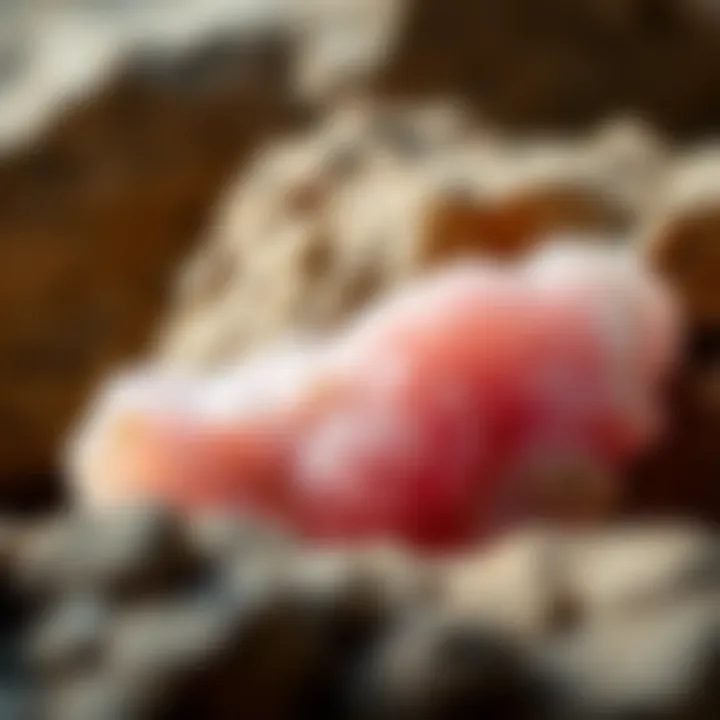
Keeping these maintenance and storage strategies in mind goes a long way in ensuring the longevity and beauty of your prized rose quartz. Taking care of your collection not only preserves its physical state but also enhances the emotional and spiritual connection many enthusiasts feel towards their crystals.
"A well-cared-for stone not only shines but also holds its place in the tapestry of one’s collection with dignity and pride."
For more guidance on crystal care, consider checking out resources on Gem Society or community advice on Reddit's Gemstone Subreddit.
Investment Considerations
When it comes to investing in rose quartz, understanding its nuances can make a world of difference. Collectors often overlook the significance of market behaviors, trends, and even emotional connections to their pieces. These factors not only influence how much one might pay, but also how the price may fluctuate over time. You could say that investing in rose quartz is like navigating through a maze; every turn brings new insights or challenges that could impact your journey.
Benefits of Considering Investment Aspects:
Investors who pay close attention to the market dynamics related to rose quartz can gain a significant edge. For one, they can better anticipate pricing trends and make informed decisions. Rising popularity might be linked to social media trends, where influencers showcase the stone's aesthetic appeal or perceived healing properties. Not to mention, knowledge about sourcing practices can illuminate potential ethical concerns that often shape a collector's or investor’s choice. It’s essential for buyers to grasp that the rose quartz they find in a shop might come from differing origins, reflecting the stone's quality and price.
Furthermore, there's often a sense of community surrounding rose quartz collecting. Enthusiasts frequently share their insights about what to look for in terms of quality and authenticity. This exposure can lead to enhanced connections and valuable education, fostering a supportive environment.
Market Stability
Market stability is a pivotal element when considering investment in rose quartz. Prices can swell or plunge based on varying factors like availability, specific collector demands, and even broader economic conditions. For instance, during a recessionary period, one might see a dip in sales. However, high-quality and ethically sourced rose quartz will most likely hold its value better than lesser alternatives.
The wave of online marketplaces has also reshaped the way buyers interact with sellers, creating a more transparent environment that can stabilize prices. Consumers can educate themselves easily about fair market prices, limiting the potential for unscrupulous transactions. Having access to resources like reddit.com or specialized forums can provide even further insight into recent price movements within the community.
"Collecting rose quartz is not just a transaction; it's an investment in a broader emotion and aesthetic that resonates deeply with many."
Potential for Value Appreciation
The potential for value appreciation in rose quartz is another crucial aspect to consider. Like any commodity, its value can rise dramatically based on factors such as rarity and desirability. For instance, certain quality grades or unique specimens have the habit of skyrocketing in price, particularly when there’s heightened interest among collectors.
With the market for crystals and gemstones seeing an uptick in popularity, especially concerning wellness and spiritual practices, the demand for high-quality rose quartz has likewise surged. This could open new doors for those who are savvy enough to recognize the trends early on.
Investors should closely watch sales trends and community discussions on platforms like facebook.com or en.wikipedia.org regarding the crystal market. Authenticity and ethical sourcing tend to be at the forefront of conversations, which can drive value appreciation. Keeping an eye on these verbal exchanges might just lead you to the next significantly appreciated piece.
The Role of Community
The sense of community among rose quartz enthusiasts offers invaluable support and resources for individuals delving into the intricate world of crystal collecting. Whether through online forums, local workshops, or social media groups, the impact of connecting with fellow collectors cannot be overstated. In this section, we will explore the nuanced benefits of fostering relationships within this vibrant community, as well as the practical considerations that come into play.
Connecting with Other Collectors
One of the most significant advantages of engaging with other collectors is the opportunity to share knowledge and experiences. Sometimes, you may stumble upon peculiar information about a specific gemstone's origin or unique qualities that isn't readily available in books or online databases. For instance, a collector might share stories of finding an exceptionally rare piece in a mountain market or discuss local mining practices that impact quality.
"The most amazing finds often come from simply talking to others who share your passion. "
Joining platforms like Reddit (e.g., r/crystals) or Facebook groups dedicated to crystal collecting can be quite enlightening. These communities allow for information exchange, where questions are met with thoughtful answers from experienced collectors. Members can also organize meetups, providing a forum for face-to-face discussions, trading, or even showcasing their prized collections.
Moreover, these connections can lead to collaborations on buying trips or group purchases, which can be cost-effective for newcomers who may feel a bit overwhelmed when faced with varying quality and pricing. Sometimes, just having a companion to guide you through a bustling local mineral show makes all the difference.
Resource Sharing and Support
The community surrounding rose quartz collectors is not merely social; it is also a critical resource for practical support. Knowledge isn't always about what one knows; it is frequently about what one can share. Many experienced collectors compile resources, such as guides on authenticity verification or detailed descriptions of market pricing trends, and these materials are typically shared freely among group members.
In addition to sharing documents or links, connections often lead to various tools and services that can enhance the collecting experience. For example, seasoned collectors might pass along contacts for trusted gemologists or recommend effective cleaning methods that can significantly prolong a rose quartz's vibrancy and luster.
When challenges arise, whether it’s questions about a rare stone's provenance or dealing with a misleading retailer, a tight-knit community serves as a support system. Access to diverse perspectives can help alleviate uncertainty and foster a sense of confidence in one’s own judgments.
Navigating the complexities of the crystal market is undeniably easier in a community of like-minded individuals. Relying on shared knowledge, resources, and moral support can elevate one’s experience from solitary exploration to collective growth in understanding and appreciation of beautiful rose quartz.
In sum, as crystal collecting continues to evolve, the role of community remains a cornerstone, connecting individuals while enriching their journey in countless ways. The friendships forged along the way can transform what once was a personal pursuit into an engaging adventure brimming with shared passion and collective wisdom.
Culmination
The significance of the conclusion section in this article cannot be overstated. It serves as the final gateway for readers—an opportunity to distill complex information into digestible insights. Understanding the nuanced factors affecting real rose quartz pricing is essential, especially for collectors who navigate a landscape fraught with intricacies and subtleties. As we summarize the key insights drawn from various segments, it becomes evident that making informed decisions is not just a benefit, but a necessity in today’s crystal market.
Summary of Key Insights
Throughout this exploration, several crucial points about rose quartz pricing have emerged:
- Quality Assessment: It’s vital to evaluate the stone's color, clarity, size, and cut. These elements play a pivotal role in determining market value. An attractive, clear stone typically commands a higher price.
- Market Dynamics: Prices fluctuate based on demand and availability. Keeping a keen eye on current market trends can be beneficial for those looking to buy or sell.
- Sourcing Practices: Understanding where and how the quartz is sourced can shed light on its authenticity. Mines in Brazil and Madagascar produce some of the highest quality stones.
- Investment Considerations: The rose quartz market shows potential for value appreciation. Hence, it’s wise to consider both short-term and long-term investments.
This synthesis of information aims to arm collectors with the knowledge needed to appreciate not just the beauty of rose quartz but also its underlying market forces.
Final Thoughts on Collecting Rose Quartz
As we wrap up, it's clear that collecting rose quartz is more than just another hobby; it's an investment in a timeless treasure. As with any collectible, staying informed and scrutinizing every purchase is essential. The thrill of collection lies not just in ownership, but in the journey of understanding what makes each piece unique. Embrace the community of fellow collectors, share your experiences, and remember that each stone carries its own story.
In essence, whether you’re a seasoned collector or just starting, being mindful about rose quartz—its quality, source, and market nuances—ensures that you are making choices that resonate with both your aesthetic sensibilities and financial interests. Now, more than ever, collectors have the resources and tools to navigate this fascinating world.
"Knowledge is power, and in the world of collectibles, it’s your best negotiating tool."
As you delve deeper into the realm of rose quartz, let every fragment of information enhance your appreciation and guide your collection strategy. Don't forget to connect with communities online, whether it’s through forums on Reddit, groups on Facebook, or other platforms dedicated to crystal enthusiasts. Their shared insights could prove invaluable in your quest for the perfect piece.