
Understanding the Price of Amethyst Stone
History and Origins
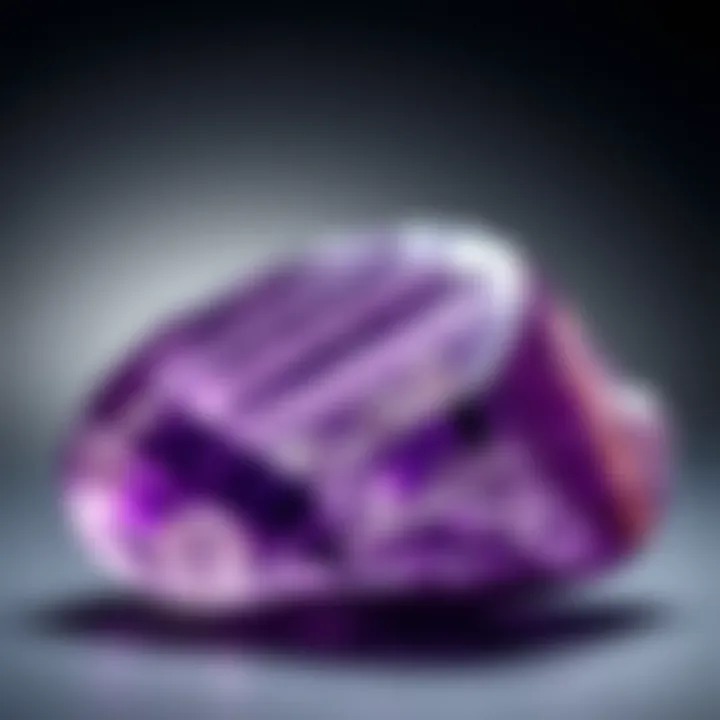
Amethyst, a stunning purple variety of quartz, has captured hearts and minds for centuries. Its history dates back to ancient civilizations, where it was revered not only for its beauty but also for its supposed mystical properties. In places like Egypt, it was treasured in jewelry and burial adornments, symbolizing royalty and protection. In fact, the word ‘amethyst’ comes from the Ancient Greek word amethystos, which means "not intoxicated," tying into beliefs that the stone could prevent drunkenness.
The origins of amethyst are as diverse as its uses. Found in various regions across the globe, notable sources include Brazil, Uruguay, Madagascar, and Zambia. Each location contributes unique characteristics to the stones, creating a rich tapestry of color and quality that fascinates collectors and jewelers alike. The geological formation and mineral content at these sites play a pivotal role in determining the price, making a deep understanding of these factors essential for anyone looking to explore the amethyst market.
"A well-crafted amethyst not only dazzles the eyes but also speaks to the soul, bridging the past with the present."
Historical Significance and Cultural Impact
Throughout the ages, different cultures have bestowed varying meanings upon amethyst. For instance, in the Middle Ages, it was considered a stone of protection, worn by soldiers to safeguard against the chaos of battle. The vibrant hue of amethyst often aligned with the spiritual and mystical—a connection still relevant among crystal enthusiasts today. With its association to the crown jewels of England and the papal rings of the Catholic Church, amethyst has held a prominent position in symbols of power and authority.
As one studies the historical significance of amethyst, it becomes clear that its place in society extends beyond mere adornment. It has permeated folklore, art, and even medicine, attributed with healing properties and used in rituals to ward off bad spirits. The evolution of its cultural significance showcases how this stone has transcended time, adapting to the needs and beliefs of those who admire its striking color.
Identification and Classification
For those new to the world of rocks and gemstones, the ability to identify amethyst can be both an engaging and challenging endeavor. Understanding its features, variations, and types are crucial when assessing quality and, consequently, pricing.
Guide to Identifying Amethyst
Here are some key identifiers to recognize amethyst:
- Color: Ranging from light lavender to deep purple, the intensity of color often correlates with its value. A deeper hue usually suggests higher quality.
- Clarity: The more transparent the stone, the more desirable it becomes. Clarity issues like inclusions can lower price significantly.
- Cut: The craftsmanship behind the cut can enhance or diminish the stone’s appeal. Well-cut amethyst will sparkle beautifully under light.
- Carat Weight: The size of the stone plays a pivotal role in determining its market value. Larger pieces are rarer and thus more expensive.
Common Types and Variations
Amethyst can come in several forms, all of which can affect pricing:
- Brazilian Amethyst: Known for its rich shade and large crystal sizes.
- Uruguayan Amethyst: Often darker and distinguished by remarkable clarity.
- Siberian Amethyst: Highly sought after, these pieces can command impressive prices due to their deep color and limited availability.
Understanding these aspects serves collectors and jewelers alike, allowing them to make informed purchases.
In an industry where nuances dictate pricing, maintaining an awareness of origin, quality, and market trends will equip enthusiasts with the knowledge needed to successfully navigate the amethyst stone market. For further reading, resources such as Wikipedia, Britannica, and discussions on platforms like Reddit can offer additional insights into this captivating stone.
Preamble to Amethyst
Amethyst, with its striking purple hue, stands as one of the most cherished gemstones in the world—valued not just for its beauty but also for its myriad of meanings and uses. Understanding what amethyst is all about sets a solid groundwork for appreciating its price and significance. This section dives into what makes amethyst distinct, its appeal to collectors, and its cultural resonance.
The vibrant purple color of amethyst arises from iron impurities within its quartz structure. Often, people can be dazzled by its deep, rich purples and translucent quality. Thus, for rock and fossil enthusiasts seeking to enrich their collection, knowing about amethyst can unveil layers of appreciation.
Amethyst is not merely a pretty stone; it carries historical significance, appearing in ancient Greek and Roman jewelry and revered for its supposed protective properties. This cultural importance is something that collectors should consider. In a way, owning an amethyst is akin to holding a piece of history, bringing with it stories and traditions that have transcended centuries.
Additionally, this stone often finds its way into various applications, from jewelry to alternative healing practices. For a collector, this means the potential for diverse investment opportunities. Not only can you enjoy its aesthetics, but it can also serve as a conversation starter about its varied roles throughout human history.
In summation, the introduction of amethyst into our understanding illuminates much about its value, not only in the market but also in its rich lore. The considerations of its significance, both historical and personal, play an integral role in the journey to grasp the stone’s price.
"To hold an amethyst is to hold a story, a time, and a little bit of mystery."
The complexity in valuing amethyst emerges from understanding its beauty and historical footprints. As we delve deeper into this guide, we will unearth more layers of amethyst—the factors that drive its pricing, how it fits in today's market, and why it remains a cherished gem among collectors.
Historical Significance of Amethyst
Amethyst, standing out among gemstones, carries a historical significance that goes beyond mere aesthetics. This beautiful purple stone has woven itself into cultures and civilizations across time. Its role in jewelry is merely the tip of the iceberg; amethyst’s history encompasses art, religion, and even medicine. When we delve into the past, we uncover layers of meaning that enrich our understanding of this cherished gem.
Cultural Importance
The cultural importance of amethyst is vast and varied. Ancient civilizations, including the Egyptians and the Greeks, placed great value on this gemstone. It was considered a stone of royalty and was often associated with the divine. For example, amethyst was used to craft intricate jewelry for pharaohs, symbolizing power and protection. In ancient Greece, the stone was linked to Bacchus, the god of wine, as it was believed to prevent intoxication. This belief led to its use in goblets, as people thought it would protect them from drunkenness.
Moreover, throughout various cultures, amethyst has been seen as a protective talisman. In Christianity, the stone represents piety and sincerity. It was often worn by bishops and used in ecclesiastical adornments, emphasizing its connection to spirituality. Notably, in some Native American cultures, amethyst is seen as a sacred stone used in healing rituals, embodying hope and healing for the spirit.
The history of amethyst illustrates its transformation from a simple mineral to a revered object of status and spirituality. Its journey through time reflects the values of societies that have embraced it.
Mythology and Lore
Amethyst is rich with mythology and lore, particularly within ancient Greek culture. The legend of its origin revolves around the figure of Amethystos, a young maiden who caught the eye of Bacchus. According to myth, Bacchus, angered by her refusal of his advances, poured wine over her. The tears of Amethystos crystallized into the gem we recognize today. This tale emphasizes the stone's relationship with themes of love, sacrifice, and protection.
In other traditions, amethyst is said to have the ability to ward off evil spirits. For instance, in various Eastern cultures, it was thought to guard against negative influences and wearers believed it could bring clarity of mind. Additionally, in medieval Europe, amethyst was considered to possess healing properties. It was a popular belief that the stone could calm the anxious and provide emotional balance, further solidifying its revered status.
The diverse tales linked to amethyst not only enrich its narrative but also illustrate the human fascination with the stone's beauty and perceived powers. As we explore the pricing of amethyst today, it's critical to recognize that its worth is heavily influenced by these deep-rooted cultural beliefs.

As we progress further in this guide, remember that the historical significance of amethyst is a tapestry of stories and meanings. From ancient royalty to modern spirituality, this gemstone continues to captivate and inspire, influencing its value and desire in the present market.
Physical Properties of Amethyst
The physical properties of amethyst stones are crucial in determining their market value and desirability among collectors and jewelers. Understanding these properties can illuminate how a stone's appearance and characteristics contribute to its overall worth. When selecting amethyst, it is essential to consider elements like color, clarity, and cut, as these factors can make a significant difference in price and consumer preference. Let’s delve deeper into each of these components to unravel their impact on the value of amethyst.
Color Varieties
Amethyst is renowned for its stunning violet hues, but there’s a lot more than meets the eye. The color spectrum of amethyst can range from pale lavender to deep purple, with various shades mixed in between. Generally, one must keep in mind that the most sought-after amethyst features a rich, consistent violet color that brings depth and vibrancy.
- Light shades may be perceived as less valuable, often referred to as "lavender amethyst."
- Darker stones can have a more robust presence, and people often pay a premium for these hues.
- Color zoning, when different shades occur in one piece of stone, can either add interest or detract from value, depending on quality.
Clarity and Inclusions
The clarity of amethyst significantly influences its appeal and price point. Just like a flawless diamond is more valuable, so too is a clear amethyst. The presence of any inclusions—tiny imperfections or foreign materials—can affect both aesthetics and worth.
- Eye-clean stones (those without visible inclusions) are perfect for some collectors, as they allow for a clear view of the stone's true beauty.
- Inclusions aren't always a bad thing; certain natural marks might even enhance the uniqueness of a stone or offer interesting stories about its origin.
Often, a collector may find a balance between size, color, and clarity when evaluating purpose and price. If you ever come across an amethyst with still-life or banding inclusions, eh might be worth noting it could be a gem in the rough.
Cut and Shape
The cut of an amethyst defines how it interacts with light and affects its brilliance. Unlike other gemstones, where the cut is primarily about maximizing beauty, amethyst’s cut should also consider the stone's unique properties.
- Precision cuts, such as round or oval shapes, can showcase the color effectively, while fancy shapes like emerald or pear can add individuality.
- A quality cut enhances the stone's facets, reflecting light in ways that captivate the eye.
- Furthermore, the weight can change based on the cut, as deeper cuts might weigh more but look smaller from the top.
"When buying amethyst, remember that each piece is unique. Assess how the cut relates to its color and clarity to gauge its potential value."
In the grand scheme, the physical properties of amethyst weave together to create a complete picture of its value. A comprehensive understanding that's rooted in these characteristics allows collectors and enthusiasts to approach their purchases wisely.
Factors Influencing Amethyst Pricing
When diving into the world of amethyst pricing, it's crucial to grasp the various dynamics that influence its market value. Understanding these factors not only helps buyers make informed decisions but also provides insights for collectors and sellers alike. Amethyst is a prized gem, but not all amethyst is created equal. Quality, size, weight, and market conditions are essential elements that weave together to determine the stone's price.
Quality Grades
The grading of amethyst quality is a key player in its pricing structure. Stones are often evaluated based on color intensity, clarity, and overall appearance. Generally, deeper purple hues tend to fetch higher prices. However, it’s not solely about the shade; amethyst with fewer inclusions and better clarity greatly enhances its desirability. The Gemological Institute of America (GIA) and other organizations provide grading scales that help in assessing the quality. Here are some key points to consider when evaluating quality grades:
- Color Saturation: Vivid purples with minimal color zoning are considered top-tier.
- Clarity: Flawless stones elevate value, while inclusions can lower it significantly.
- Brilliance: How well a stone reflects light can affect perceived quality.
Keep in mind: Collectors often seek exceptional stones that tell a story of their origin, which can influence their worth significantly.
Size and Weight
The size and weight of an amethyst stone are pivotal in pricing as well. Larger stones are rare, and thus generally command higher prices per carat. Weight is measured in carats, with heavier stones often reflecting significant price increases. For instance:
- Standard Sizes: An amethyst weighing 3 carats may cost considerably more than one weighing 1 carat, due to rarity.
- Market Perception: Larger pieces can symbolize wealth and status, drawing in competitive buyers, thus inflating prices.
It’s worth noting that the cut of the stone can also impact its appearance and therefore its pricing. A well-cut piece can make a smaller stone look more appealing and valuable than a poorly cut larger piece.
Market Demand and Supply
Like any commodity, the dynamics of supply and demand play a significant role in determining amethyst prices. The market is influenced by numerous factors, including:
- Mining Availability: Regions like Brazil and Uruguay produce high-quality amethysts, but any disruption in mining operations can create scarcity, driving prices up.
- Fashion Trends: If jewelers start showcasing amethyst more prominently in their designs, demand will increase, subsequently affecting prices.
- Economic Conditions: Global economic factors can impact luxury spending, directly influencing demand for gemstones.
Market Trends for Amethyst
Understanding the market trends for amethyst is paramount for anyone involved in this vibrant gemstone. The dynamics of pricing, influenced by supply and demand, play a significant role in determining how this stone is valued. By examining the recent price fluctuations, collectors and investors can better position themselves in the market, while forecasts about future trends allow them to make informed decisions about their purchases or sales.
Market trends not only provide insight into the current state of amethyst pricing but also offer a glimpse into the evolving landscape of the gemstone industry.
Recent Price Fluctuations
The price of amethyst, like many gemstones, isn't immune to the whims of the marketplace. Recently, one might observe that the prices have shown some notable shifts, often influenced by economic conditions and consumer preferences. For instance, during the pandemic, many precious stones saw a dip, mainly due to decreased demand from jewelers and collectors alike. However, as the world begins to reopen, the market has responded positively, leading to increased prices for higher quality amethyst.
Factors contributing to these fluctuations can be summarized as follows:
- Global Economic Conditions: Economic recovery phases signal a rise in gemstone purchases.
- Consumer Trends: A growing trend toward holistic practices and alternative healing has boosted demand for natural stones like amethyst.
- Mining Output: Supply chain disruptions or boosts from notable mining regions can sway prices.


"The value of amethyst can be as volatile as the ocean. Changes in consumer sentiment can lift prices, while oversupply can lead to declines."
For collectors, staying abreast of these trends aids in pinpointing the right time to buy or sell.
Forecasting Future Trends
Looking ahead, a few indicators suggest what the market may hold for amethyst in the near future. While it's hard to predict with absolute certainty, there are some concrete signs that may point in specific directions.
- Sustainability Concerns: There's a rising awareness and preference for ethically sourced gemstones, which could impact prices positively for responsibly-mined amethyst.
- Technological Advancements: Innovations in gemstone treatment and enhancement technology could mean that pricing structures evolve. This might bring a wider range of amethyst products to the market and present more varied pricing.
- Cultural Shifts: As society embraces wellness and metaphysical beliefs, amethyst’s popularity may continue to surge, propelling its market value upwards.
- Geopolitical Factors: Mining regions can be affected by political climate shifts, which may cause supply chain interruptions. This sentiment underscores the importance of diversification in purchasing strategies.
In short, crystal ball gazing isn’t an exact science, but analyzing these factors helps shape a more educated outlook for investors and collectors in the amethyst market.
Geographical Origins of Amethyst
The geographical origins of amethyst stones play a crucial role in their market valuation and desirability. Different regions produce stones with unique characteristics, which directly impact not just their quality but also their price. Understanding where the amethyst comes from can enhance a collector’s appreciation for the stone and can furnish jewelers with the specifics needed for crafting exquisite pieces. It's not merely a question of location; it's about understanding the rich tapestry of geological conditions that give each piece its unique beauty.
Various locales across the globe have gained recognition for their high-quality amethyst deposits. This section aims to illuminate those notable sources, discussing how regional variations in geology, climate, and mining techniques contribute to the diversity of the gemstone.
Notable Mining Locations
Among the leading mining locations for amethyst are Brazil, Uruguay, and Zambia. Each location has made a name for itself thanks to certain distinctive features:
- Brazil: Known as one of the largest producers, Brazil's amethyst is characterized by its deep, rich purple hue and excellent clarity. The Rio Grande do Sul region often produces particularly large crystals, which can be highly sought after by collectors. The mineralized nature of the Brazilian soil influences the gemstone's saturation and brightness.
- Uruguay: The amethyst from Uruguay is esteemed for its vibrant purple tones and high transparency. The Artigas region is particularly famous, and its stones often exhibit a deeper color that is highly prized. This locality produces relatively smaller crystals, which adds uniqueness to each piece.
- Zambia: Zambian amethyst is gaining ground in popularity due to its intense color saturation. Many believe that Zambian amethyst tends to be darker, making it appealing for those who appreciate deeper tones in their gemstones. The variations in minerals found in Zambian soil add to its unique allure, driving demand in both the retail and collector markets.
Not only do these locations provide beautiful specimens, but the mining conditions and local craftsmanship also contribute to the final product. As it stands, the origin of an amethyst not only tells a geographical story but also influences its aesthetic value.
Impact of Origin on Pricing
The geological identity of amethyst directly correlates with its pricing in the market. High-quality, rare amethyst stones from prestigious locations often command premiums. Here are some of the considerations on how origin impacts price:
- Rarity: Certain regions have more limited yields, leading to scarcity. Stones from these regions often draw higher prices. For example, Zambian amethysts, while becoming more available, are still considered exotic compared to their Brazilian counterparts.
- Quality: The clarity, color, and overall appearance—factors affected by location—can make a world of difference in pricing. For instance, exceptionally clear Uruguayan amethyst can fetch much higher prices than lesser-quality stones from more common locales.
- Consumer Perception: Buyers often have preferences based on the origin. If a buyer is particularly fond of Brazilian amethyst for its clarity, they may be willing to pay more for stones from that area versus others.
Overall, the geographical origin serves as a key element in the trade of amethyst and significantly shapes the market dynamics.
"Buying an amethyst isn’t just about the stone itself; it’s about the story behind it—where it's from and what that means for its value."
For further in-depth reading on amethyst and its origins, you can check out resources like Wikipedia or Britannica.
Understanding these factors arms collectors and jewelers alike with the insight necessary to navigate the complexities of amethyst pricing.
Uses of Amethyst in Different Industries
Amethyst, a vibrant purple variety of quartz, finds its way into numerous sectors due to its stunning beauty and purported healing properties. Understanding its multifaceted uses sheds light on its market value while also giving collectors insights into why this gemstone holds a special place in various industries.
Jewelry Market
The jewelry market is perhaps the most visible domain where amethyst shines bright. This stone's alluring hues make it a favored choice among jewelers and consumers alike. Whether set in rings, necklaces, or earrings, amethyst offers a rich color palette that can enhance any outfit.
Noteworthy Points about Amethyst in Jewelry:
- Affordability: Compared to some other precious stones, amethyst tends to be more budget-friendly, making it an attractive option for different demographics.
- Versatility: It pairs harmoniously with various metals, like gold, silver, and platinum, allowing for a broad range of designs.
- Birthstone Significance: Amethyst is recognized as the birthstone for February, giving it an emotional value during gifts celebrations.
"Amethyst’s blend of affordability and luxe allure taps into the desires of both collectors and casual buyers."
In addition to aesthetic appeal, collectible jewelry pieces featuring amethyst can be valuable. Vintage pieces or limited editions often boast higher prices, reflecting the historical significance connected to them. Therefore, collectors often view their purchases not just as accessories but as investments.
Alternative Healing Practices
Amethyst is not solely a visual treat; its role extends into the realm of alternative healing. Practitioners of holistic therapies attribute various healing properties to the stone, making it useful in wellness circles.
Benefits of Amethyst in Healing Practices:
- Calming Properties: Many believe amethyst induces a sense of calmness. It is often used in meditation practices to assist in achieving focus and clarity of mind.
- Spiritual Growth: Some practitioners assert that amethyst promotes spiritual awareness, helping individuals connect with their higher selves.
- Physical Health Beliefs: Although not scientifically proven, some claim that placing amethyst under a pillow can help with insomnia or anxiety.
In holistic healing, amethyst is often used in combination with other stones, amplifying its effects. Additionally, this gemstone can be found in devices for energy healing, such as pendulums and wands.
Understanding these diverse applications of amethyst not only enhances its allure but also substantiates its varying prices in the market. As both a decorative element and a possible healing tool, amethyst remains a gem of interest across multiple industries.
Amethyst in Gemstone Collecting
Amethyst, with its rich purple hues and historical significance, holds a cherished place among collectors of gemstones. The allure of amethyst lies not only in its captivating beauty but also in its fascinating properties and cultural history. For rock and fossil enthusiasts, understanding the nuances of amethyst collecting adds depth to their hobby and investment decisions. In this section, we will explore essential tips and guidelines for amateurs and seasoned collectors alike, ensuring a rewarding experience in the world of amethyst.
Collecting Tips and Guidelines
Collecting amethyst can be a gratifying pursuit. Here are some foundational guidelines to keep in mind:
- Research Different Types: Amethyst comes in various types, each with unique characteristics. For instance, consider the difference between Brazilian amethyst and Siberian amethyst, both renowned for their vibrant colors but differing in price and clarity.
- Seek Authenticity: When purchasing amethyst, ensure it's genuine. Look for certificates from recognized gemological laboratories like GIA or AGS which authenticate the gem's quality and origin.
- Understand Pricing: Familiarize yourself with market prices based on quality parameters such as color saturation, clarity, and cut. It's wise to compare the prices across different vendors to avoid overpaying.
- Build Relationships: Forge connections with gem dealers, especially those who specialize in amethyst. They can provide invaluable insights, insider knowledge, and perhaps exclusive access to rare finds.
- Attend Shows and Events: When possible, participate in gem shows or local gem and mineral clubs. These venues not only offer a plethora of specimens but also present networking opportunities with fellow enthusiasts.
- Document Collectibles: Keep a record of your collection, noting the details of each piece—its origin, purchase price, and any unique attributes. This practice will assist in evaluating your collection's growth over time.
"A well-documented collection is a treasure map revealing its story."
Evaluating Value for Collectors
Understanding the intrinsic value of amethyst is crucial for collectors. Here are several aspects to consider:
- Color Quality: The richest purple shades fetch higher prices. Deep violet with subtle red or blue undertones is particularly sought after.
- Clarity: The fewer the inclusions, the better the stone’s clarity, which subsequently raises its value. However, some collectors may appreciate the character brought by natural imperfections.
- Size and Cut: Larger specimens of well-cut amethyst can command premium prices. The quality of the cut can affect the stone’s brilliance and aesthetics.
- Market Trends: Stay updated on market demand and emerging trends in gem collecting. The popularity of amethyst in jewelry or holistic practices can prompt price shifts.
- Historical Significance: Rare historical pieces or those with notable provenance can significantly increase value. Always inquire about the backstory of any amethyst you wish to acquire.
In summary, amethyst collecting can be both a pleasurable hobby and a wise investment. With a careful approach and attention to detail, collectors can navigate this colorful world effectively, enriching their collections one gem at a time.
Caring for Amethyst Stones
Caring for amethyst stones is more than just a basic maintenance routine; it directly impacts their beauty and longevity. A well-cared amethyst not only retains its vibrant hue but also upholds its value over time. For collectors and enthusiasts, keeping these gems in pristine condition is crucial. Here, we delve into two key aspects of caring for amethyst: cleaning and maintenance, and storage recommendations.
Cleaning and Maintenance
The cleaning and maintenance of amethyst stones should be approached with care. Here are some essential pointers:
- Gentle Cleaning: Using a soft cloth is advisable for routine cleaning. This method helps remove dirt and oils without scratching the stone.
- Mild Soap Solution: For more thorough cleaning, a mixture of warm water and a mild dish soap can be used. Avoid harsh chemicals which may dull the stone's shine.
- Avoid Ultrasonic Cleaners: While ultrasonic cleaners can effectively clean various gemstones, amethyst is sensitive and may suffer damage. Always stick to gentler methods.
- Regular Checks: It’s wise to regularly check for any signs of wear or damage, especially for pieces that are frequently worn. This includes examining settings in jewelry for security and integrity.
"Regular maintenance not only prolongs the life of your crystals but also enhances their inherent beauty."
Storage Recommendations
Proper storage of amethyst stones is equally important in preserving their quality. Here are some useful tips for effective storage:
- Separate Storage: Store amethyst away from harder stones to prevent scratches. Jewel boxes with individual compartments are ideal.
- Avoid Direct Sunlight: Long exposure to sunlight can fade the rich color of amethyst. A dark, cool place is best for storage.
- Use Soft Fabric: When wrapping amethyst stones for storage, opting for a soft cloth—like silk or flannel—can protect against scratches and dust.
- Humidity Control: Keep the storage area dry. High humidity can foster the growth of mold or cause any metal settings to tarnish.
By following these simple yet effective guidelines, collectors can ensure their amethyst remains as stunning as the day it was acquired, maintaining both its physical characteristics and monetary value.
End
In the realm of gemstones, amethyst holds a distinctive place not just because of its striking beauty but also due to intricate factors that influence its market value. This section ties together the core insights gathered throughout the article, underscoring the importance of understanding amethyst pricing in various contexts.
Educating oneself on the qualities that dictate amethyst's price is paramount. From the clarity and color to the cut, each facet plays a critical role in determining value. Collectors and enthusiasts alike benefit from recognizing how these attributes affect not just retail pricing but resale potential in the gemstone market. Having a well-rounded grasp of these elements can be the difference between making an informed purchase or being swayed by flashy marketing tactics and superficial allure.
Additionally, the geographical origins of amethyst provide significant insight. Being aware of the different mining locations can enrich one's appreciation for the stone while simultaneously acting as a guide to better investment decisions. Different regions yield stones with unique characteristics, impacting both aesthetics and price; thus, knowledge in this realm can translate into valuing pieces more accurately.
As market demand fluctuates with trends, understanding the cyclical nature of gemstone pricing becomes crucial. Many collectors have seen substantial gains by being ahead of market trends, yet this necessitates a keen eye for emerging patterns. Being informed allows collectors to utilize their insights effectively, whether buying or selling.
To summarize, the nuances of amethyst pricing extend beyond mere numbers on a price tag. It encompasses a blend of qualities, availability, and market dynamics. By absorbing these various insights, individuals engaged in the amethyst market are better equipped to navigate this complex landscape profoundly and successfully.
Summarizing Key Insights
- Quality Matters: The clarity, cut, and color of amethyst stones play a significant role in determining their price. Quality grading should be a crucial consideration for collectors and jewelers alike.
- Origin Implications: Different geographical sources produce varied amethyst types, affecting pricing and desirability. Knowing where your amethyst comes from can influence its value and market potential.
- Market Cycles: Understanding the ebb and flow of consumer demand for amethyst can enable collectors to make savvy buying and selling choices, potentially yielding profits in favorable conditions.
- Enhancement Awareness: Treatment processes can affect both the appeal and authenticity of amethyst stones. Being vigilant about enhancements ensures a fair assessment of a stone's true worth.
In essence, amethyst pricing is a tapestry woven from various threads of quality, origin, and market trends. Engaging with this information enriches the collector’s journey, fostering a deeper appreciation for this remarkable stone.
References for Further Reading
Engaging with the topic of amethyst pricing opens the door to a wealth of knowledge and perspectives that can enhance one’s understanding of the gemstone market. References for further reading serve as a cornerstone for anyone keen on drilling down deeper into the nuances of amethyst and its valuation.
Importance of References
Referencing credible sources not only solidifies the information presented but also equips readers with additional material to supplement their learning. This is crucial especially for collectors, jewelers, and enthusiasts who wish to delve into specialized aspects of amethyst. Each resource can provide unique insights, guiding individuals on how to assess quality or even predict price fluctuations based on historical data.
“Knowledge is power” – and understanding the history and market of amethyst can greatly empower collectors.
Specific Elements to Explore
- Quality Assessment: Resources that explain quality ratings and terminologies are invaluable. For instance, detailed breakdowns on clarity and color can immensely assist buyers in making informed decisions. Websites like GemSelect offer guidance on quality grades.
- Historical Context: Historical information contextualizes the amethyst stone’s significance over time. Sources such as Britannica provide in-depth articles that illustrate how cultural trends impacted demand.
- Market Trends: Keeping abreast of market trends can be pivotal. Forums or community discussions, like those on Reddit, often discuss real-time fluctuations and consumer sentiments about amethyst prices.
- Geographical Information: Understanding where amethyst is sourced from can influence its pricing. Academic papers or relevant government resources, possibly located within *.edu domains, can offer geological data that is directly related to the price of stones based on origin.
Benefits of Engaging with Literature
By referring to these resources, the target audience can expect:
- Enhanced Decision-Making: Armed with information, buyers can make decisions that align with their budget and needs.
- Greater Appreciation: Understanding the lore and history of amethyst can nurture a deeper appreciation for the stone.
- Networking Opportunities: Engaging in community discussions or reading articles often leads to fruitful exchanges of ideas, connecting enthusiasts from different walks of life.