Discovering Ruby Fuchsite and Kyanite Properties

Intro
The allure of minerals stretches far beyond their basic beauty. For collectors and enthusiasts alike, gemstones like ruby fuchsite and kyanite open the door to a world rich with history, unique properties, and diverse applications. Ruby fuchsite, a captivating blend of vibrant reds and verdant greens, offers a striking visual experience, while kyanite, with its lovely shades of blue and glossy luster, stands out for its distinct formation and implications in various domains. Together, they make for an intriguing study as we delve deeper into their individual characteristics and collective significance.
In this article, we aim to unravel the tapestry of each mineral's history and origins, explore their classifications for advanced identification by collectors, and examine their physical and metaphysical attributes. By the end, readers will gain a deeper appreciation for these minerals and how they can fit into both personal collections and broader applications. Aiming to strike a balance between informative and engaging, we will keep our narrative flowing while ensuring a thorough understanding of these two captivating specimens.
Preamble to Ruby Fuchsite and Kyanite
Ruby fuchsite and kyanite are not just visually captivating; they present a fascinating narrative steeped in geological wonder and intriguing history. The exploration of these minerals opens the door to a world rich with emotional and physical benefits. Both stones possess unique aesthetic and metaphysical properties that attract rock and mineral collectors, jewelers, and holistic practitioners alike.
In this article, we delve into the specifics of each mineral, looking at everything from their formation to their practical applications in daily life. Understanding ruby fuchsite, a vibrant green stone flecked with ruby-red inclusions, provides insight into its decorative and therapeutic uses. Meanwhile, kyanite offers a stunning blue hue, highly celebrated for its energetic properties and its role in facilitating communication and clarity. The importance lies not just in their beauty but in their application and the significance they hold in different cultures.
This exploration is incredibly relevant in today’s wellness-focused society, where natural stones are often utilized in practices aiming to improve one's life. Additionally, as the market for gemstone collecting grows, knowledge about these unique minerals becomes essential for discerning collectors who seek to add value to their collections. Whether utilized in jewelry design or as part of a healing practice, the depth and richness of ruby fuchsite and kyanite deserve careful consideration.
"Understanding the properties of these stones can unveil their true potential, bridging the gap between nature and personal well-being."
Through this guide, readers will gain a thorough understanding of ruby fuchsite and kyanite, equipping them with the knowledge to appreciate these minerals and their place in the world of natural history.
Overview of Ruby Fuchsite
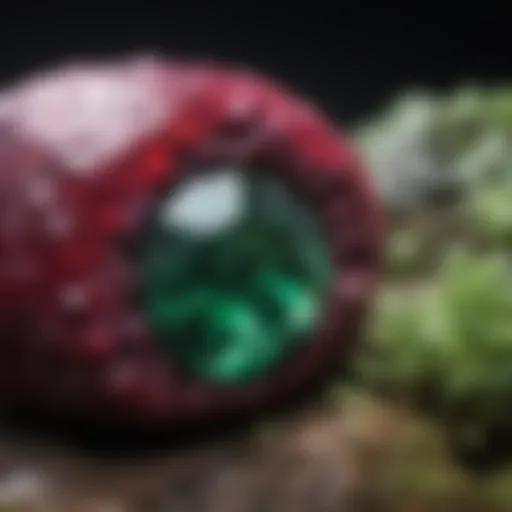
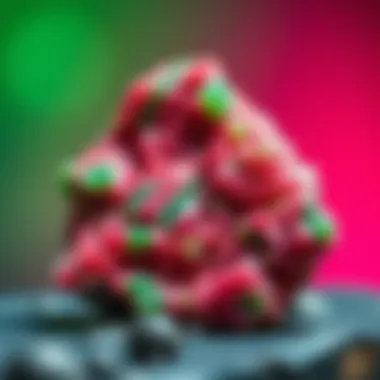
Ruby fuchsite is an intricate combination of chromium-rich muscovite (fuchsite) and ruby, yielding a stone that exhibits a distinctive green coloration dotted with vibrant red inclusions. These ruby inclusions, often considered enhancements, create a visual contrast that makes ruby fuchsite alluring. Its formation is not just a geological accident. Rather, it signifies a unique interaction of elements that gives this stone its personality and charm.
Overview of Kyanite
Kyanite, known for its distinctive blue color, can sometimes be found in shades ranging from white to orange. It is a silicate mineral that exhibits unique properties, such as a varied hardness based on its crystallographic direction. Some collectors might be surprised to learn that kyanite's hardness can be as low as 4.5 and as high as 7, depending on the direction of the grain. This peculiarity not only affects its usage but also its appeal as a collectible mineral, making it particularly interesting for those invested in the intricacies of mineral properties.
Geological Formation
Understanding the geological formation of minerals like ruby fuchsite and kyanite is vital in appreciating their unique properties and value. The processes that create these minerals shed light on their characteristics, helping collectors and enthusiasts understand the conditions under which they formed. The geological environments and specific chemical interactions play critical roles in defining the attributes that make each mineral distinct.
The Formation of Ruby Fuchsite
Ruby fuchsite is a unique blend of ruby and fuchsite, a form of muscovite mica. The formation of ruby fuchsite typically occurs in metamorphic rocks, especially within high-grade metamorphic environments. The significant presence of chromium in both the ruby and the surrounding matrix is what provides the vibrant red color associated with ruby. The interplay of time, temperature, and geological pressure works together, allowing ruby crystals to develop within the fuchsite matrix.
When discussing the environment of formation, it’s important to note that ruby fuchsite commonly forms in regions that were once part of ancient volcanic activity. These areas, rich with minerals, undergo considerable heat and pressure, resulting in a fusion of components that leads to the creation of ruby fuchsite.
A few notable points include:
- Ruby fuchsite is often found alongside other minerals such as quartz and garnet.
- The extraction process can be complex due to the deposits being located in hard-to-reach areas.
- The beauty of ruby fuchsite isn't solely in its appearance; the geological processes that yield it also imbue each piece with a unique story of its formation.
The Formation of Kyanite
Kyanite, in contrast, has its origins deeply rooted in silicate minerals. Usually found in metamorphic rocks, especially schists and gneisses, the formation of kyanite takes place under a unique set of geological conditions. High pressures and temperatures come into play as aluminum-rich mineral environments create kyanite. The formation generally occurs under regional metamorphism, which is a large-scale alteration of rocks due to tectonic forces.
Notable characteristics of kyanite formation include:
- Color: Found in hues ranging from blue to green, depending on the iron content present in the crystal structure.
- Anisotropy: Kyanite displays varying hardness in different directions — it’s actually softer along its length as opposed to across its width. This intriguing property often confounds new collectors.
- Location: Kyanite is often mined in places like the United States, Brazil, and Switzerland.
As kyanite transforms within its geological setting, it locks in unique markers, helping geologists and collectors alike to trace the mineral’s history. This insight into its formation is a window into the transformations the planet itself has undergone over millennia.
"Every crystal tells a story, echoing the geological dance of the earth beneath our feet."
In essence, the formations of ruby fuchsite and kyanite are not just scientific matters; each crystal embodies a piece of Earth’s extensive history, waiting patiently to be appreciated and understood by a discerning audience.
Physical Properties
Understanding the physical properties of ruby fuchsite and kyanite is vital in appreciating their uniqueness and value. These characteristics not only define the mineral’s aesthetic appeal but also influence their application in various fields, from jewelry making to healing practices. The way these minerals interact with light, resist scratches, and appear in various colors forms the crux of their collectability and desirability. Given the diverse interests of rock and mineral enthusiasts, grasping these aspects can significantly enhance one's appreciation and judgment of each specimen.
Characteristics of Ruby Fuchsite
Color Variations
Ruby fuchsite is primarily recognized for its striking green hue peppered with deep red inclusions of ruby. These color variations aren't just surface-level attributes; they tell a story about the mineral's formation and the environment in which it was created. The lush green color comes from chromium, which gives it a vibrant look, setting it apart from other green stones. This makes ruby fuchsite a popular choice among collectors and jewelers alike.
The unique feature of this color blend is that no two pieces are identical, ensuring every specimen carries its own individuality. Some may find specific color combinations more appealing than others, leading collectors to seek exceptional pieces that reflect their taste. Yet, it's pertinent to mention that the presence of the ruby can sometimes vary, which may affect the perceived value of certain specimens.
Transparency
Transparency is another key characteristic of ruby fuchsite. This mineral typically ranges from opaque to translucent, with the finest specimens exhibiting a glow when exposed to light. Such transparency contributes greatly to its allure in jewelry design, allowing facets to capture and refract light beautifully.
However, it’s important to note that while some collectors favor pieces with higher transparency for their brilliance, others may prefer the solid, opaque varieties for their earthy charm. An individual’s choice in this aspect might depend heavily on personal preferences or intended use, highlighting the variability within this mineral.
Hardness
When discussing hardness, ruby fuchsite sits at about a 7.0 on the Mohs scale. This level of hardness is beneficial, as it strikes a practical balance; the mineral is robust enough for daily wear in jewelry yet still delicate enough to require some care. Collectors often appreciate this trait, as it ensures that their pieces won't easily chip or scratch.
However, the hardness also means that while the stone can withstand daily use, it can be somewhat challenging when it comes to cutting and shaping, which may limit its applications in intricate designs. Still, once mastered, the results can be stunning.
Characteristics of Kyanite
Color Ranges
Kyanite is known for its diverse color ranges, usually found in shades of blue, green, and even black. The most sought-after color is a rich, deep blue that resembles the color of the ocean. Such colorful varieties make it a versatile choice for collectors. Unlike ruby fuchsite, kyanite’s colors can affect its value significantly, with deep blue stones commanding a higher price.
One unique feature of kyanite is its color zoning—where different hues appear within a single stone, creating a captivating contrast. For enthusiasts, this offers a visual feast, but it can also complicate valuation based on color alone since factors like clarity and saturation play substantial roles.
Cleavage Properties
Kyanite possesses distinct cleavage properties, which means it can split along specific planes easily. This characteristic can be a double-edged sword. On one hand, it gives kyanite its potential to form beautiful, layered crystals. On the other hand, it can make kyanite more fragile in certain applications, particularly in jewelry where toughness is paramount.
The well-defined cleavage can allow for unique cuts in gemstone applications, yet it does deter some jewelers from using kyanite in designs where longevity is paramount. Collectors often need to understand these properties to care for this mineral properly and avoid potential damages.
Hardness Scale
In contrast to ruby fuchsite, kyanite showcases an interesting hardness range that can fluctuate significantly— from 4.5 to 7.0 on the Mohs scale depending on its direction of measurement. This anisotropic nature can be perplexing to those new in the field, underscoring the need for careful handling and mounting techniques in jewelry settings.
For collectors and artisans alike, this feature demands respect and understanding. It indicates that while some parts of a kyanite specimen might be tough, others are much softer and therefore more susceptible to wear. Implementing the right care practices can extend the life of kyanite pieces significantly, making it crucial knowledge for potential owners.
Historical Significance
The historical significance of ruby fuchsite and kyanite extends far beyond their exotic appearances. Understanding this history is crucial for appreciating their value in various cultures and practices. Each mineral carries stories and insights that reflect the beliefs, customs, and artistry of societies that have treasured them over the years.
Ruby fuchsite, with its sparkling flecks of ruby dispersed in vibrant green matrix, has often been connected with properties of abundance and vitality. Various cultures have revered it as not just a decorative stone, but as one imbued with spiritual energy. It's said that the ancient Egyptians incorporated it into their jewelry, seeking to invoke prosperity and personal power. There’s whispers that it adorned the pharaohs' crowns, symbolizing their divine right to rule and connect with the gods.
Similarly, kyanite has a history rich with metaphysical attributes. Often regarded as a stone of communication, many indigenous tribes would use kyanite in rituals aimed at enhancing clarity of thought and expression. Its striking blue hues have inspired artists and craftspeople throughout the ages, often serving as a muse in various forms of artistic expression. Kyanite has been one of the components in talismans and amulets, believed to ward off negativity and promote tranquility. Its history as a protective stone underlines its cultural importance in regions across the globe.
"Each stone carries its own history; each facet reflects the cultures that sought its guidance."
Rubies and fuchsite are not only geological wonders but also pivotal in historical discussions about wealth and artistry. They have found their way into royal collections and private stashes alike, valued for their beauty as much as their purported mystical properties. The impact of these stones on societies is profound. For rock and fossil collectors, understanding the cultural dimensions adds layers of meaning to their collections. The stories behind these minerals enrich their intrinsic value, making every specimen more than just a physical artifact.
As collectors explore, knowing the narrative that accompanies ruby fuchsite and kyanite may offer fresh perspective on why preserving their legacy is vital. The interaction between these stones and human culture speaks volumes, showing that their significance evolves, reflecting the values and aspirations of the times.
Uses and Applications
Both ruby fuchsite and kyanite hold significant roles not only in the realm of geology but also in various practical and metaphysical applications. Their unique properties make them sought after by jewelry designers, collectors, and those interested in holistic practices. Understanding the diverse uses and applications of these minerals can help enthusiasts make informed decisions when purchasing or utilizing them. This section will delve into the intricacies of jewelry design involving ruby fuchsite and kyanite, as well as explore their metaphysical properties.
Jewelry Design Involving Ruby Fuchsite
Ruby fuchsite is often prized for its vibrant appearance, characterized by a green matrix adorned with ruby-red flecks. This striking contrast makes it a favorite among jewelry designers. When set in silver or gold, ruby fuchsite pieces can transform even the simplest attire into an eye-catching ensemble. Moreover, some artisans have begun incorporating it into custom designs, including pendants, earrings, and bracelets that truly stand out.
Using ruby fuchsite in jewelry not only enhances aesthetic appeal but is also believed to hold positive attributes. Many wearers claim it fosters emotional healing and enhances self-worth, making it a popular choice for those looking to carry a bit of that energy throughout their day.
Here are a few considerations when selecting or designing jewelry with ruby fuchsite:
- Color Coordination: Pairing it with complementary colors can maximize its ornamental value.
- Stone Care: As ruby fuchsite can be prone to scratching, protective settings are advisable.
- Personal Resonance: When wearing ruby fuchsite jewelry, many believe it resonates with one's personal energy, enhancing the overall experience.


Jewelry Design Involving Kyanite
Kyanite is recognized for its mesmerizing blue hue, though it can also be found in shades of green, black, and orange. The unique appearance of kyanite combined with its affordability makes it an appealing choice for jewelry makers. Necklaces, rings, and bracelets adorned with kyanite can appeal to diverse tastes, from elegant to bohemian styles.
Its distinctive property of maintaining a certain level of durability while being easily carved allows artisans to create intricate designs, showcasing the mineral’s beauty. Kyanite’s fluctuating color saturation can produce stunning effects, especially when used in layered or combined jewelry pieces. Additionally, kyanite is often associated with balance and tranquility, making it a thoughtful gift choice for anyone seeking peace in their life.
Keep in mind these important tips with kyanite jewelry:
- Setting Techniques: Due to its cleavage, careful consideration in the setting process is vital to prevent breakage.
- Variety in Design: Incorporating multiple colors of kyanite can create a unique, multi-dimensional look.
- Intended Representation: Knowing the metaphysical properties associated with kyanite can also enhance its meaning for the wearer.
Metaphysical Properties of Ruby Fuchsite
In the realm of metaphysics, ruby fuchsite is revered for its purported ability to inspire confidence and emotional wellbeing. Many practitioners believe that this mineral encourages the pursuit of one's passions and improves emotional resilience in challenging situations. As such, it is often used in meditation and energy work.
Ruby fuchsite is also considered beneficial for heart chakra healing, promoting love and compassion while dispelling negative energy. Here are a few common uses:
- Meditation Aid: Holding or placing it nearby during meditation can help amplify feelings of peace and self-worth.
- Emotional Healing: Those dealing with emotional or psychological issues may find comfort and support through its energies.
- Environment Enhancement: Placing ruby fuchsite in a living space can be thought to help create a soothing atmosphere.
Metaphysical Properties of Kyanite
Kyanite is often touted as one of the most powerful crystals for aligning energy and balancing chakras. Healing practitioners frequently use kyanite to promote communication and self-expression, believing that it clears disharmonious energies and opens pathways for clarity.
This mineral is suggested to act as a conduit for spiritual energy, facilitating the connection between the physical and the spiritual realms. Some applications of kyanite in metaphysical practices include:
- Chakra Alignment: Known for its ability to align the chakras without requiring any clearing, kyanite is a favored tool among healers.
- Enhanced Communication: It’s considered beneficial when trying to communicate thoughts or feelings clearly, both to oneself and to others.
- Stress Relief: Kyanite is often used during relaxation techniques, as it's believed to help reduce stress and anxiety significantly.
Kyanite and ruby fuchsite serve as more than just visually captivating minerals. With diverse uses that span jewelry design to enriching one's spiritual journey, both minerals have carved their niche, appealing to the needs and sensibilities of collectors and enthusiasts alike.
"Both ruby fuchsite and kyanite are not merely aesthetic; they intertwine beauty with function and energy, creating a holistic experience for those who seek them out."
By understanding these nuances, collectors can appreciate the depth of these minerals beyond their visual allure, enhancing their value in both personal collections and the broader market.
Care and Maintenance
To truly appreciate the beauty and significance of ruby fuchsite and kyanite, proper care and maintenance are essential. These minerals, while robust, require attention to ensure their longevity and shine. For collectors and enthusiasts, understanding how to care for these stones can make all the difference in display and use. Proper maintenance not only preserves the visual appeal but also safeguards their metaphysical properties, which many hold dear.
Maintaining Ruby Fuchsite
Ruby fuchsite is known for its striking appearance, typically presenting a blend of deep red rubies embedded in a vibrant green matrix of fuchsite. To keep this mineral looking its best, consider the following points:
- Cleaning: Use a soft, damp cloth to gently wipe away dust and dirt. Avoid harsh chemicals and ultrasonic cleaners, as they can damage the stone.
- Storage: When not on display, store your ruby fuchsite in a padded box or a soft pouch. This practice prevents scratches and keeps it safe from accidental drops.
- Avoid Direct Sunlight: Prolonged exposure to sunlight can cause color fading and reduce its vibrant hues, so it's wise to display these stones away from direct sunlight.
Beneficial elements such as cleansing your ruby fuchsite in moonlight can enhance its energies, making careful attention toward these practices quite rewarding.
Maintaining Kyanite
Kyanite, with its remarkable color gradients ranging from blues to greens, offers a unique beauty, but it can be somewhat delicate. The focus here is on preservation and clarity:
- Gentle Cleaning: Like ruby fuchsite, kyanite should be cleaned with a soft, slightly damp cloth. Be cautious not to rub too hard, as kyanite has perfect cleavage, making it susceptible to breakage.
- Proper Display: When setting up a display, ensure that kyanite pieces are stable and not at risk of being knocked over. Use a secure display case if necessary, particularly in environments with children or pets.
- Humidity Concerns: Kyanite is sensitive to high humidity. Keeping it in a controlled environment helps maintain its structure and sheen. Consider using silica gel packs in storage areas to absorb excess moisture.
"Proper care is vital for maintaining the vibrant allure of ruby fuchsite and kyanite, ensuring they remain treasured pieces in any collection."
In summary, collectors should pay close attention to the unique needs of ruby fuchsite and kyanite. The right care ensures these minerals remain not just visually stunning but also retain their spiritual and energetic qualities. Regular cleaning, safe storage, and displaying them in a suitable environment can sustain their enchanting charm for years to come. For those interested in the metaphysical dimensions, understanding the care of your stones can deepen your connection to them.
Market Value and Collectability
Understanding the market value and collectability of minerals like ruby fuchsite and kyanite offers valuable insights for collectors and enthusiasts. Factors that influence these aspects include rarity, condition, color quality, and demand in the marketplace. For mineral collectors, knowing how to assess these stones appraises not only their monetary worth but also enhances their collecting experience.
Valuation Factors for Ruby Fuchsite
When considering the value of ruby fuchsite, several key factors come into play.


- Color Quality: The deep red hue of the ruby inclusions against the vibrant green fuchsite matrix is what collectors prize the most. Stones with intense color saturation and minimal inclusions tend to fetch higher prices.
- Size and Shape: Larger specimens, especially those that display aesthetic formations or unique shapes, can significantly increase in value. An irregular or polished shape that captures light beautifully can appeal to buyers.
- Rarity and Origin: Ruby fuchsite is not as commonly found as other minerals, particularly high-quality specimens. Those sourced from specific locations, such as Brazil or India, may carry a premium.
- Condition: As with any collectible, the condition of ruby fuchsite matters. Chips, cracks, or discoloration can detract from its overall appeal and thus its value.
"Collectors often find that the story behind a piece, its origin, and any unique attributes can significantly boost its desirability in the market."
While collecting, it aids to keep in mind that the market for ruby fuchsite is dynamic, fluctuating based on trends and collector preferences. Keeping updated with these shifts can benefit anyone looking to make informed purchase or sale decisions.
Valuation Factors for Kyanite
Kyanite’s value is also determined by numerous elements that collectors need to be aware of.
- Color Variations: Kyanite often displays a range of colors, from deep blue to green and black. The pure blue specimens with vibrant saturation are typically the most sought after, gathering a higher price point in auctions.
- Crystal Size and Clarity: As is common in the world of crystals, size plays a pivotal role. Larger kyanite crystals that exhibit good transparency and minimal inclusions are much more desirable.
- Cleavage Features: Kyanite has distinctive cleavage properties that can make it challenging to work with. Specimens showcasing clean cuts or well-formed crystals without fractures are favored.
- Market Demand: The demand for kyanite in both the jewelry industry and among metaphysical practitioners can greatly influence its market value. During times of heightened interest, prices can rise significantly.
When assessing kyanite, ensuring authenticity through reputable sellers is crucial, as this can greatly impact its valuation. Following industry trends and knowing what features are currently in demand will aid in making savvy buying or selling choices.
Overall, staying informed and vigilant in evaluating these factors can enhance not just individual collections but also the understanding of the mineral market as a whole.
Identifying Authentic Specimens
Identifying authentic specimens of ruby fuchsite and kyanite is not just a simple task; it's an essential practice for collectors who wish to enhance their collections with genuine gemstones. For those who might be just diving into the world of mineral collecting, the ability to discern between authentic stones and imitations can save both money and heartache. In the world of minerals, fakes and look-alikes are not just common; they're part of the landscape.
There are several specific elements to consider when identifying these minerals. One must be familiar with their unique characteristics, color variations and structural properties. This understanding creates a solid foundation, allowing collectors to make informed purchases.
Benefits of identifying authentic specimens include:
- Financial savings: Authentic stones, especially rarer varieties, can be costly. By ensuring what you buy is real, you avoid wasting money on knock-offs.
- Trustworthiness: Being knowledgeable about how to identify genuine stones enhances credibility in both personal and market transactions.
- Personal satisfaction: There's a distinct thrill that comes from knowing you have in your possession a true, natural gemstone that has an authentic story behind it.
When it comes to ruby fuchsite, notable properties to examine include its glittering appearance due to the presence of chromium-enhanced muscovite. On the other hand, kyanite is commonly recognized by its unique blade-like crystals and its variable hardness depending on the crystal's axis. Understanding these elements cultivates a deeper appreciation of each mineral.
"A true collector is always engaged in the pursuit of authenticity, as the heart of collecting is integrity of the treasures we acquire."
The following sections will outline detailed methodologies to identify each stone accurately, equipping you with the knowledge necessary to navigate the often tricky world of mineral collecting.
How to Identify Ruby Fuchsite
To identify ruby fuchsite—often a vivid green stone sprinkled with ruby flecks—collectors should focus on its visual and tactile characteristics. Here’s how to go about it:
- Examine the Color: Authentic ruby fuchsite typically displays shades of green ranging from a soft mint to a deeper olive. The embedded ruby crystals can vary from pink to red. Check whether the color is consistent across the stone.
- Look for Sparkle: The sparkly appearance in ruby fuchsite isn’t just for show. The shiny bits are due to the inclusions of rubies. If a stone lacks those minute glitters, it might not be genuine.
- Conduct a Scratch Test: As a softer stone, with a hardness of about 2 to 3 on the Mohs scale, it should be easily scratched by harder materials. If it resists scratching too well, you might be looking at a fake.
By keeping these points in mind, you will not only enhance your collection with genuine ruby fuchsite specimens, but also expand your knowledge moving forward.
How to Identify Kyanite
Kyanite can often be mistaken for other blue stones, so keen observation is important. To identify authentic kyanite, consider the following:
- Check the Crystal Structure: Kyanite typically exhibits thin, elongated crystals that look like blades or strips. If the stone appears chunky or unevenly formed, it may be something else.
- Hardness Comparison: This mineral has variable hardness depending on the crystal plane – softer along the length but harder across its breadth (ranging from 4 to 7 on the Mohs scale). A definitive hardness test will help clarify its authenticity.
- Examine for Cleavage: Kyanite has perfect cleavage in one direction, meaning it can easily split along specific planes. If you find no cleavage, you might have a look-alike on your hands.
Mastering these identification skills can greatly enhance both the quality of your collection and your overall enjoyment in the field of mineral collecting. Thus, ensuring you obtain authentic specimens should be a key consideration in the collector's journey.
The End
The world of minerals is rich and varied, with ruby fuchsite and kyanite standing out due to their unique attributes and cultural significance. This article has explored these fascinating stones, revealing their geological origins, physical properties, and roles in jewelry and metaphysical practices. As we wrap up, it’s vital to highlight the essential takeaways from our discussion and consider what lies ahead in the realm of mineral collecting.
Recap of Key Differences
In comparing ruby fuchsite and kyanite, one must not overlook the distinguishing features that make each mineral unique:
- Color and Formation: Ruby fuchsite exhibits a vibrant green hue mottled with striking red rubies, often found in regions rich in metamorphic processes. On the other hand, kyanite, typically a deep blue, can also appear in shades of green or black, often associated with high-pressure environments.
- Hardness and Durability: Ruby fuchsite generally scores about 7 on the Mohs scale, making it suitable for various jewelry applications. Kyanite, however, fluctuates significantly between 4.5 to 7, showing pronounced directional softness—important for artisans to consider during crafting.
- Cultural Significance and Uses: While both minerals are valued in jewelry, ruby fuchsite is often revered for its healing properties related to passion and vitality. In contrast, kyanite's role leans more towards its metaphysical attributes of alignment and balance, often celebrated within spiritual communities.
"Both ruby fuchsite and kyanite not only captivate the eye but also offer unique stories and energies, making them worthy additions to any collection."
Future Trends in Mineral Collecting
Looking ahead, the mineral collection landscape is set to evolve significantly. With the rise of environmental awareness and sustainability concerns, collectors are showing a growing interest in ethically sourced specimens. This trend applies to both ruby fuchsite and kyanite, emphasizing the importance of understanding where and how they are mined.
Additionally, as technology advances, digital platforms could revolutionize the way collectors showcase their collections. Virtual reality could allow enthusiasts to explore mineral shows from the comfort of their homes, expanding access to rare finds and facilitating connections in the community.
Moreover, the fusion of art and mineral collecting is expected to grow, where artisans may blend valuable stones into functional art pieces, pushing the boundaries of traditional jewelry making. This evolution hints at a promising future for both minerals in unique applications that speak volumes.
As we stand on the brink of these exciting possibilities, embracing knowledge about minerals like ruby fuchsite and kyanite will ensure collectors remain at the forefront of this ever-changing field. Engaging with these materials offers not just aesthetic pleasure but also a deeper connection to the Earth and its timeless beauty.