Discovering Round Rocks with Crystals: Nature's Wonders
Intro
Round rocks with crystals inside are nature's little wonders, captivating collectors and enthusiasts alike. These intriguing specimens, formed through complex geological processes, are often overlooked but hold immense beauty and significance. In the world of geology, they represent the union of artistry and science—each piece tells a story of time, pressure, and transformation.
From novice rock hunters to seasoned collectors, understanding the allure of these natural artifacts begins with appreciating their history and origins. In this article, we'll navigate through the fascinating journey of how these round rocks and their crystalline interiors come to be, their various types, and the ways in which they are valued both scientifically and personally.
Get ready to dive into the hidden layers of Earth's creativity and discover how these rocks can transform not only spaces but also perspectives.
Prelims to Round Rocks
Understanding round rocks, often valued for their unique ability to house crystals, is key for anyone interested in geology, mineralogy, or collecting. These natural formations capture the imagination, bridging the gap between artistry and science. Exploring the significance of round rocks helps underscore their role in both the environment and among enthusiasts.
Understanding the Basics
At its core, round rocks represent a fascinating intersection of geological processes. They are shaped through gradual erosion and wear, often becoming smooth and polished over time. The journey of how they come to be, from raw minerals to polished collectibles, is rich with stories of natural power. Their very formation speaks to the forces of nature; water, wind, and time work hand in hand to produce these treasures. From a collector’s perspective, recognizing the processes behind these stones can enhance one’s appreciation for their beauty and diversity.
Types of Round Rocks
When it comes to round rocks, variety is the spice of life. Each type has its own characteristics that make it a worthy subject of study and collection.
Geodes
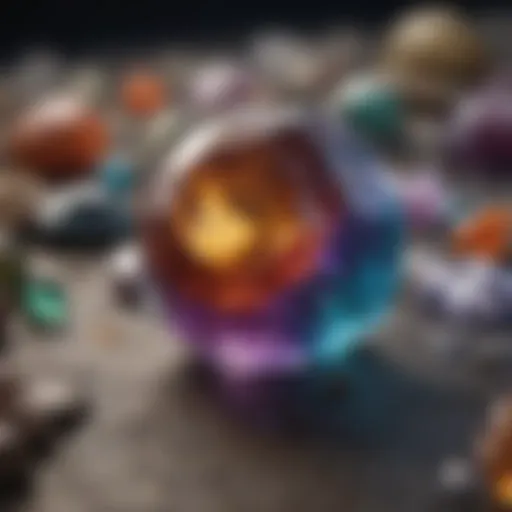
Geodes are like nature's hidden surprises. These hollow rocks are lined with crystals that formed over millennia. What sets geodes apart is their striking inner beauty, revealing a pyrotechnics of colors. They are especially popular among collectors because of the wondrous formations that can be found within. The outer appearance may look mundane, but cracking one open can reveal sparkling quartz or vibrant amethyst. Yet, some might find the inconsistency in what lies inside a drawback; not every geode turns out to be a showstopper.
Conglomerates
Conglomerates are essentially rock soups, born from various pebbles cemented together. Their mixed composition often gives them a textured appearance, with different materials ranging from river stones to fragments of other rocks. This variety makes them interesting, but also unpredictable in terms of what they might contain. Collectors might lean toward conglomerates for their distinctiveness, but sometimes the lesser-known pebbles can be a head-scratcher for identification.
River Rocks
These rocks can be found almost anywhere there's a flowing stream or river, shaped by the relentless force of water. River rocks are generally smooth, polished and hold a certain organic charm. Their natural washing creates a variety of colors and patterns, which collectors adore. They are widely recognized for their versatility, making them a great addition for both aesthetic and functional purposes in landscaping or crafting. On the downside, their abundant availability means they don’t always stand out in collections but they offer a deep, tactile connection to natural water bodies.
Understanding these types of round rocks can equip collectors and enthusiasts alike with knowledge about their own growing collections. Their contrasts, shapes and forms speak not only to the geological history but also contribute to the narrative of personal exploration and discovery.
Geological Processes Behind Crystal Formation
Understanding the geological processes that give rise to crystals within round rocks is fundamental for both novice and experienced collectors alike. These processes are not just fascinating scientific phenomena; they are the intricate dance of natural forces that create beautiful specimens you may find in the natural world. By grasping the mechanisms of crystal formation, collectors can appreciate the unique attributes of their finds, the stories behind them, and their true value in the marketplace.
Mineral Saturation
Mineral saturation refers to the capacity of a solution to dissolve minerals, leading to the precipitation of crystals when the solution cools or evaporates. This process plays a critical role in the formation of certain types of round rocks, particularly geodes. When water saturated with minerals slowly infiltrates the rock, often from volcanic or sedimentary origins, it creates an environment ripe for crystal growth.
In essence, the higher the mineral concentration, the higher the potential for dramatic crystal formations. A practical example might be how quartz crystals form in cavities of volcanic rock when silicate minerals are dissolved in the water. The longer this process persists, the more intricate and varied the crystal formations can become. Collectors ought to keep an eye out for these kinds of geodes, as their complexity often translates to higher market value.
Pressure and Temperature Conditions
Crystals don’t just sprout out of thin air; they require the right conditions of pressure and temperature to form correctly. High-pressure environments—such as those found deep in the Earth’s crust—create conditions conducive for the development of some rock types that encapsulate crystals within them. When temps rise alongside pressure, the atomic structure of minerals shifts, allowing them to crystallize into their stable forms.
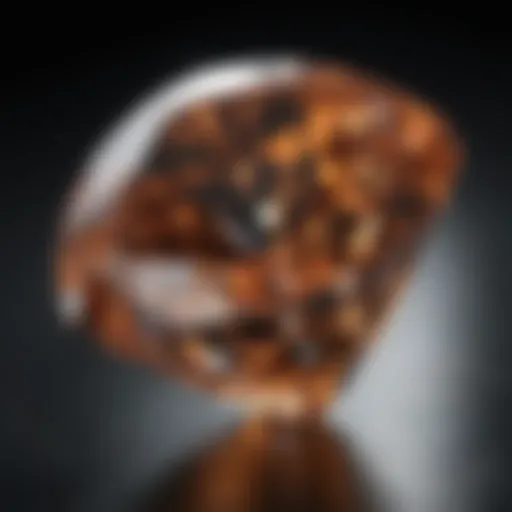
For instance, consider how diamonds form. Their creation relies on extreme pressure and temperature deep within the Earth, far from where many collectors may dig for rocks. The changes that occur at these depths can yield remarkable specimens, making the hunt for these materials all the more thrilling.
Time Factors in Crystal Development
Time is another crucial ingredient in the formation of crystals. Nature works on its own timeline, and many of the most stunning crystals are the result of slow, deliberate growing processes. The longer a crystal can develop, the more defined and complex its structure will be.
Factors such as temperature, the chemical environment, and even the surrounding geological history can significantly affect how long a crystal takes to grow. In a collector’s perspective, an object like an amethyst geode may take millions of years to form, but it can be held in one’s hands as a testament to geological time.
Understanding these timeframes enhances a collector’s appreciation. It’s not merely a piece of rock; it’s history encapsulated in crystal form.
"The beauty of crystals is that they are significant markers of time, illustrating the complexity of life beneath the surface of our planet."
In summary, the geological processes behind crystal formation are multilayered and fascinating. Each factor, from mineral saturation to pressure and time, contributes to the unique allure of these natural treasures that continue to captivate collectors worldwide. For further exploration of geological phenomena, you can refer to comprehensive resources like Britannica or visit Wikipedia for a broader perspective.
Notable Types of Crystals Found Within
When it comes to round rocks, the crystals enclosed within them often steal the show. Understanding the notable types of crystals found inside these geological wonders not only enhances the appreciation for them but also unravels the tales they tell of Mother Nature’s artistry. Each crystal type brings with it a unique set of features, benefits, and cultural significance.
Quartz Crystals
Quartz is perhaps one of the most prevalent crystals found inside round rocks. This mineral is not just about its aesthetic appeal; it plays a crucial role in various industries, including electronics and watches. From a collector’s standpoint, quartz crystals are valued for their clarity and ability to form large, well-defined crystals. They can even come in various colors, expanding a collector’s treasure chest. The occurrence of quartz within a geode often means you’ve struck a natural jackpot, thanks to how frequently they form. Their use in metaphysical practices gives them another layer of desirability, as many believe quartz amplifies energy and thought.
Amethyst and Other Variants
Amethyst — a striking purple form of quartz — holds a special place in both the natural world and human culture. This crystal is not only enchanting to behold but has also been cherished throughout history for its purported healing properties. Many cultures have deemed amethyst a stone of wisdom and protection. The enchantment of amethyst can be found in its deep hues, varying greatly from pale lavender to rich violet. This crystal has become a staple in the collections of both novice and seasoned rock hounds. Notably, its association with royalty and high-ranking figures through the ages has solidified its status as a prized possession among collectors and jewelers alike. Additional variants include citrine, which brings a sunny energy, and smoky quartz, known for its grounding effects. These wonderful colors and attributes make them highly desirable.
Calcite and Its Forms
Calcite, unlike quartz and amethyst, showcases a variety of appearances. It can present itself in a range of colors and even in different forms. The most common is the rhombohedral shape, which can often be found nestled within geodes. Calcite is not only appreciated for its beauty but also for its optical properties—specifically, its double refraction, which creates a fascinating visual effect. Many believe calcite aids in clarity of perception and decision-making. For collectors, pieces of calcite with interesting colors or patterns can make eye-catching additions to any display. Moreover, the versatility of calcite means it can be used in various facets, from natural history collections to decorative pieces. Different forms of calcite, such as aragonite and marble, can add several layers to a collector’s understanding and appreciation for this intricate mineral.
In summary, the types of crystals found within round rocks shape their appeal and value among collectors and enthusiasts alike. Whether it's the elegance of quartz, the royal charm of amethyst, or the diverse forms of calcite, each crystal tells a story of the Earth's history and artistry, making them treasures of both scientific interest and personal significance.
Physical Characteristics of Round Rocks
Understanding the physical characteristics of round rocks is integral to appreciating their uniqueness. These rocks captivate both casual observers and serious collectors alike. When digging deeper into what makes these specimens truly special, we find that their size, shape, and other physical features offer invaluable clues to their origins, potential value, and the enchanting crystals they may conceal within.
Size and Shape Variations
When it comes to round rocks, size matters, and so does shape. Round rocks can range from tiny pebbles, perfect for skipping across a pond, to substantial boulders that make a striking centerpiece in any garden. Each size offers its own set of benefits. Smaller rocks are fantastic for collectors who enjoy curating compact displays, whereas larger specimens often become conversation starters or focal points for outdoor decor.
The shape can vary dramatically as well. Most round rocks present a smooth, spherical appearance, shaped by years of weathering and erosion. Others may exhibit an elliptical or more irregular contour, lending a sense of character to each piece. It's no wonder collectors carefully observe these variations. A rock that is perfectly round might be valued differently than one with unique characteristics.
Surface Texture and Pattern Analysis
Surface texture can tell a story that goes back millions of years. Some round rocks may boast a smooth, polished feel, which can be an indication of long-term exposure to water or wind erosion. Conversely, a rough or grainy surface may hint at more recent geological processes. It’s fascinating how touch reveals history—patterns etched into the rock’s exterior can indicate its composition and origin.
Analyzing surface patterns provides insight into the environment where the rock was formed. For instance, the presence of striae—fine lines running across the surface—might suggest a glacial origin. Whereas, rounded edges hint at river transport. By understanding these surface characteristics, enthusiasts can better estimate the rock's age and its journey through geological time.
Interior Visibility and Access
Often overlooked, the visibility of a rock's interior is a critical factor when assessing round rocks, especially those with crystals inside. Some rocks feature natural cavities or translucency, which might allow glimpses of their inner beauty. Being able to see through a rock can spark curiosity, as the crystals nestled within could very well be the true treasures waiting to be uncovered.
Accessing the interior usually requires tools and techniques that dabble in geology, such as geodes that can be cracked open or polished to reveal stunning crystal formations. Unfortunately, some may be tough nuts to crack due to their solid composition. However, those who manage to carefully remove the outer layer or successfully slice the rock may be rewarded with a magnificent display of shimmering crystals.
Understanding the physical aspects of round rocks not only enriches the collecting experience but also enhances the appreciation of the intricate natural processes behind their formation.
Cultural Significance and Uses
Understanding the cultural significance and uses of round rocks with crystals inside sheds light on how humans have interacted with these geological wonders throughout history. Crystals buried within these stones are more than mere visual marvels; they carry rich stories from past civilizations, embody contemporary wellness practices, and ignite the fervor of modern collectors. This multifaceted nature of round rocks captivates a wide audience—from scholars to hobbyists.
Historical Context of Crystals in Cultures
Throughout history, various cultures have revered crystals as symbols of power, protection, and healing. Ancient Egyptians believed that certain stones, such as lapis lazuli and turquoise, provided users with a direct line to the divine. They crafted amulets and jewelry adorned with these gems, convinced that they could channel energies for protection or vitality.
In Mesopotamian societies, lapis lazuli was not just decorative. It served as a status symbol— its vibrant blue hue was prized. Similarly, indigenous cultures, from Native Americans to tribes in Africa, cherished crystals, weaving them into their spiritual practices. They carried stones like quartz and obsidian as talismans, employing them in rituals aimed at connecting with the earth or the ancestors.
One cannot overlook the significance of crystals in East Asian traditions. In ancient Chinese medicine, jade was cherished not only for its beauty but for its healing properties, believed to bring balance to life forces or "qi." Such cultural beliefs depict crystals as a bridge between the material and the spiritual realm, reinforcing their enduring allure.
Modern Uses in Wellness and Healing
Today, the fascination with round rocks that house crystals has transformed into a budding wellness movement. In various holistic practices, crystals are no longer confined to historical contexts; they are mainstream players in promoting emotional and physical healing. Many enthusiasts advocate for the application of specific crystals to address various health issues.
For example, individuals seeking to alleviate stress may keep clear quartz nearby for its purported power to enhance clarity and focus. Amethyst, with its calming properties, has found a place in meditation and yoga practices, offering practitioners a sense of serenity. Notably, the popularity of crystal healing has given rise to numerous wellness centers and workshops that educate individuals on harnessing these energies for holistic health.
Furthermore, in modern aesthetics, crystals are incorporated in various forms—from jewelry to home décor—turning them into symbols of self-care and personal expression. People often find meaning in developing spaces filled with energy-rich crystals, believing they foster positivity and balance in their environments.
Collectibility and Hobbyist Interest
The collecting of round rocks with crystals appeals to a diverse and passionate community of hobbyists. The excitement of finding and curating these natural wonders holds an allure that transcends mere ownership; it taps into a profound connection with nature. For many collectors, the journey begins at local rock shops, gem fairs, or on the shores of rivers, where one can discover unpolished gems hidden in plain sight.
Investing in round rocks with crystals is not just about their aesthetic appeal. The appraisal process can be intricate, considering factors like clarity, rarity, and the quality of the crystal within. Many collectors hold onto their specimens, passing them down through generations, each piece carrying a personal story or affiliation.
Social media platforms, especially Reddit and Facebook groups, are now vibrant forums where collectors unite to exchange knowledge, showcase finds, and discuss the nuances of crystal curation. Online marketplaces have sprung up, offering a stage for enthusiasts to buy, sell, and trade their treasures with a global audience.
The thrill of the hunt, the appreciation of beauty, and the camaraderie within this community create a rich tapestry of interest around round rocks with crystals. It is this multifaceted cultural significance that weaves together the past, present, and future of these captivating geological curiosities.
"Crystals within round rocks are not just artifacts; they are historical narratives, tools for well-being, and passions for collectors. Their multifaceted roles underscore a deeper connection between nature and humanity."
For further exploration of cultural narratives surrounding crystals and their significance, visit resources like Britannica or Reddit's Crystal Community.
Evaluating Round Rocks with Crystals
When it comes to round rocks housing crystals, evaluating them is a crucial aspect that deserves attention. Understanding the qualities that make these unique geological specimens appealing not only enriches our appreciation but also helps collectors discern which pieces are worth investing in. Evaluations can guide decisions related to purchase and collection practices, ensuring that enthusiasts acquire genuine pieces that possess both aesthetic and intrinsic value.
Determining Authenticity
Determining authenticity is perhaps the most critical first step in evaluating round rocks with crystals. With the growing popularity of these formations among collectors and decorators, the market has seen an influx of imitations or artificially enhanced rocks that may deceive the unsuspecting eye. Authentic specimens often showcase natural characteristics that set them apart from fakes, like a rough exterior or imperfections that speak to their geological journey.
It's essential to look for signs such as:
- Natural surface textures: Authentic round rocks will typically not have a perfectly smooth finish.
- Inclusions and blemishes: The presence of natural inclusions or imperfections can indicate genuine formation.
- Weight and density: Genuine crystals often weight more than glass, for instance; this can help tell apart the real deal from a replica.
Collecting tips include utilizing a jeweler's loupe to examine the surface of the rock closely or even consulting a geologist for the best assessment.
Assessing Market Value
The market value of round rocks with crystals can be quite variable, influenced by several factors that potential buyers need to keep an eye on.

Factors Influencing Value
Several elements contribute to the overall market value of these geological treasures. Some key factors include:
- Rarity of Gemstone: The less common the crystal, the higher its potential value. An amethyst geode, for example, may fetch a much higher price than ordinary river stones.
- Size and Quality: Bigger, clearer crystals usually come at a premium. A large piece containing well-formed quartz crystals can markedly increase desirability and price points.
- Condition: The state of the rock matters significantly – chips, cracks, or other damage can decrease value.
The unique feature of rarity particularly shines in the evaluation process and introduces an element of excitement in the collecting community as enthusiasts hunt for those rare finds.
Comparative Analysis
Comparative analysis serves as another evaluation method by observing similar pieces across various online marketplaces or auction houses. By comparing different specimens, collectors can develop a better understanding of current market trends and expected prices.
- Market Trends: Noticing trends, such as increased interest in particular types of rocks, can determine potential future value.
- Historical Sales Data: Investigating past sales can give insights into what collectors have been willing to pay, helping gauge a fair price for similar rocks.
- Regional Differences: Values can vary noticeably from one region to another; understanding local demand is key.
A unique advantage of this method is that it helps create a comprehensive picture of value beyond the surface, permitting a more informed purchase or sale.
Care and Maintenance of Round Rocks
Keeping round rocks, especially those containing beautiful crystals within, requires a bit of effort and understanding. Just like any treasure, these natural wonders can benefit from responsible care and maintenance. Not only do proper techniques extend the lifespan of your collection, but they also preserve the aesthetic and potential value of each specimen. Whether you dabble in amateur collecting or conduct serious scientific study, knowing how to maintain these rocks is crucial.
Cleaning Techniques
After you've spent some time exploring the world of round rocks, you'll notice that they sometimes collect dirt, dust, or other residues. This can detract from their beauty, so staying on top of cleaning is wise. The cleaning process isn't merely about looks, though; it also prevents damage to delicate crystals inside. Here are some recommended techniques to keep them looking pristine:
- Gentle Rinsing: Start by rinsing your round rocks in cool or lukewarm water, ideally avoiding harsh chemicals. This step helps remove surface dirt and any loose debris, allowing you to see the rock's true colors better.
- Soft Brushes: Employ a soft-bristled brush—old toothbrushes work wonders—to carefully scrub the surface. Be gentle around the areas with crystal formations; you wouldn't want to chip or harm them.
- Natural Cleaning Solutions: For more stubborn spots, consider using a solution made of vinegar and water. This mixture can help dissolve minerals or dirt without risking harm. However, be cautious with certain rock types, as acidic solutions may not be appropriate for all.
- Air Drying: Once cleaned, allow the rocks to air dry completely. Placing them on a soft cloth can help absorb moisture without scratching the surface.
Remember, patience is essential. Forcing a rock to shine through excessive scrubbing or abrasive cleaners can do more harm than good.
"A little care goes a long way; not all that glitters is gold, but with the right touch, your gems can sparkle anew."
Storage Solutions
Storing your round rocks properly is just as vital as cleaning. Poor storage can lead to unavoidable damage, whether it be chips, scratches, or cracks. Here are some effective storage solutions that will help you keep your collection safe:
- Display Cases: Invest in a sturdy display case or cabinet with glass doors if you want to show off your rocks while protecting them from dust and direct sunlight. Proper ventilation is crucial to avoid moisture build-up.
- Individual Pouches: For rocks you want to keep tucked away, consider using individual fabric pouches, such as those made from velvet or cotton. This prevents scratching and allows each rock to breathe.
- Labeling: Keep a dedicated record or label your storage containers. Knowing which rock is which can save you time and helps whenever you want to share information about your collection with fellow enthusiasts.
- Climate Control: Store your rocks in a climate-controlled area—excessive heat or humidity can hasten deterioration. A cool, dry space is ideal for preserving the integrity of the crystals.
Ultimately, whether it’s cleaning or storage, every little step contributes to the longevity of your collection. By prioritizing care and maintenance, you safeguard these natural treasures for both current appreciation and future generations of collectors.
Finale and Future Prospects
In wrapping up our exploration of round rocks containing crystals, it becomes clear that these geological wonders hold a considerable significance that extends beyond mere aesthetics. The intricate interplay of nature’s forces has gifted us with not only unique specimens but also avenues for scientific inquiry and personal growth through collection and appreciation. As we ponder the trails of knowledge laid out in this article, it’s essential to consider the threads that continue to connect us with the Earth’s dynamic processes.
Emerging Trends in Collecting
The collecting landscape for round rocks with crystals is evolving. Technology plays a pivotal role in how collectors and enthusiasts engage with their passion. Social media platforms, particularly Facebook groups and Reddit forums, provide spaces for enthusiasts to share discoveries, trade specimens, and expand their knowledge base.
- Online Auctions: Digital marketplaces enable collectors to buy or sell rare finds from the comfort of their own homes, expanding their access to international hoards.
- Mobile Apps: A myriad of apps help identify rocks and gems, offering instant information on their origins and values, making the collecting process more interactive.
- Sustainability Practices: More collectors are becoming conscious of ethical sourcing. These practices encourage community efforts to ensure sustainable gathering and teaching new collectors the importance of protecting natural habitats.
Adapting to these trends can foster a deeper connection to nature and inspire more people to join the community. The rise of online forums has made it easier than ever for new collectors to learn from seasoned experts, creating a rich tapestry of shared experience.
Implications for Future Research
As the fascination with round rocks containing crystals grows, so does the need for continued research in this field. Future inquiry can pave the way for discoveries that will deepen our understanding. Some potential areas for research include:
- Geological Studies: Investigating the precise conditions under which these crystals form could illuminate broader geological processes, enhancing our knowledge of earth sciences. Further studies might include analyzing various locales to ascertain why certain areas yield more crystals than others.
- Cultural Impact: Exploring how different cultures perceive and use crystals can yield insights into human behavior and belief systems. Historical context can give us a clearer picture of the longstanding bond between people and the earth’s resources.
- Current Trends in Collecting: Studying emerging trends and collector behaviors can help predict future market values and direct ecological conservation efforts towards more impactful practices.
Overall, the intersection of earth sciences, culture, and modern technology holds vast potential for those drawn to round rocks with crystals. As we move forward, the blend of appreciation and research offers not just personal or financial rewards, but plays a role in understanding the planet we inhabit. By nurturing our curiosity and commitment, we contribute to the ongoing narrative of these remarkable treasures.