Discovering Raw Rocks and Minerals: A Collector's Guide

Intro
The world of raw rocks and minerals beckons to enthusiasts and collectors alike, offering a fascinating glimpse into the earth's history and the beauty of its natural formations. This guide serves as a stepping stone for those starting their journey or for seasoned collectors looking to expand their horizons. In this article, we will explore the various facets of raw rocks and minerals available for sale, including their history, classification, and sourcing tips. Each section unfolds to reveal the richness of this subject, ensuring that the information provided aids in both appreciation and collection development.
History and Origins
Overview of Collectibles, Rocks, and Fossils
Throughout time, raw rocks and minerals have been more than simple collectibles. They’ve graced the shelves of museums and private collections, symbolizing beauty, value, and sometimes, power. The origins of these specimens often trace back to the earth’s most tumultuous processes, from volcanic eruptions to sediment deposits laid down over millions of years. Understanding these origins can significantly enhance one’s appreciation for their aesthetic and historical value.
Historical Significance and Cultural Impact
From the Stone Age to modern civilization, rocks and minerals have played pivotal roles. Tools and weapons crafted from flint, gemstones used in jewelry, and various minerals forming the backbone of ancient structures speak volumes of their significance. Cultures worldwide hold different meanings for these natural elements. Consider the sacred stones of Native American tribes or the ancient Roman love of marble; it's evident that minerals have long been entwined with human culture and history.
"The beauty of rocks and minerals lies not just in their physical form, but in the stories woven into their existence."
Identification and Classification
Guide to Identifying Rocks and Fossils
Identifying raw rocks can be daunting without the right knowledge. Common methods of identification involve examining their color, texture, and hardness. A handy tool is the Mohs scale, which helps collectors gauge a mineral's hardness against common materials like talc and diamond. Additionally, understanding characteristics such as luster, cleavage, and specific gravity can assist in classification. Fossils, on the other hand, can often be identified by the patterns and shapes embedded within them, a reminder of life that once thrived.
Common Types and Variations
Rocks and minerals can be categorized in several ways. Here are some common types:
- Igneous Rocks: Formed from cooled magma, examples include granite and basalt.
- Sedimentary Rocks: Created from particles and organic material, think limestone and sandstone.
- Metamorphic Rocks: Changed by heat and pressure; marble and schist fall into this category.
- Minerals: Defined by specific chemical compositions, examples include quartz, calcite, and feldspar.
Each type varies not just in appearance but also in how they can be sourced and valued. This variety adds depth to the collector's journey, offering endless combinations for study and appreciation.
Understanding minerals and rocks can deepen one’s engagement with the natural world around us. Armed with historical knowledge, classification techniques, and sourcing strategies, collectors may navigate the intricate landscape of raw rocks and minerals more effectively.
Understanding Raw Rocks and Minerals
Understanding raw rocks and minerals is crucial for anyone interested in this vibrant field. The importance of this knowledge stretches from its scientific roots to its practical applications in collecting, trading, and education. Collectors who grasp the nuances of raw materials can significantly refine their collections, making more informed choices about acquisitions. This section aims to provide clarity on what constitutes these natural specimens, their origin, and how they differ from each other—all of which are essential for a keen collector.
Defining Raw Rocks and Minerals
When we talk about raw rocks and minerals, we're diving straight into the Earth’s crust, where various elements combine to form solid substances. Raw rocks are aggregates of minerals, presenting a solid mass from which they derive. For example, granite is a prominent rock, comprised mainly of quartz, feldspar, and mica, embodying both beauty and complexity. On the other hand, minerals are specific chemical compounds with defined structures; take quartz, for instance, which has a distinct crystalline form and composition.
To boil it all down, while every mineral can be a part of a rock, a rock itself can consist of numerous minerals. This distinction lays the groundwork for deeper discussions in geology and collecting.
The Geological Context
The geological context refers to the environment and processes that give birth to these raw materials. The Earth’s crust is a dynamic landscape, shaped by volcanic activity, sedimentation, and metamorphism over millions of years. Knowing where a rock comes from often tells a story about Earth's history and its formation.
For instance, igneous rocks, like basalt, arise from cooling magma, illustrating volcanic activity, while sedimentary rocks, such as shale, form from accumulation and compaction of sediments. Such geological contexts not only enrich a collector's understanding but can also increase the intrinsic value of the specimens. Knowledge about sourcing locations can aid in verifying authenticity and legitimacy, thus safeguarding one’s collection from fraudulent practices.
Distinguishing Between Rocks and Minerals
Grasping the differences between rocks and minerals is foundational in the exploration of this field. Rocks are like a tapestry woven from various minerals, each contributing to the overall package, whereas minerals remain individual threads with their unique properties. To illustrate, let’s consider granite and quartz again—though they can coexist, they signify different categories of geological formations.
One key distinction lies in their properties. Minerals typically have a defined chemical formula, while rocks do not have a uniform composition. Moreover, minerals tend to form crystals with specific geometric shapes as a result of their molecular structures, which is not the case for rocks.
"Understanding the individual characteristics of minerals helps collectors appreciate their beauty and uniqueness as well as their contributions to the larger rock structures."
Emphasizing these differences assists enthusiasts in identifying not just their collections but also fosters a more profound appreciation for the Earth’s natural wonders. Collectors who master this aspect often discover that it enhances both their collecting experience and their ability to evaluate potential purchases with confidence.
Types of Raw Rocks and Minerals for Sale
Understanding the various types of raw rocks and minerals available for sale is crucial for collectors and enthusiasts aiming to deepen their knowledge and build impressive collections. Each category possesses unique properties, aesthetic appeal, and intrinsic value. Knowing how these specimens differ can help buyers make informed decisions, ensuring they select pieces that resonate with their personal tastes or investment goals.
Crystals and Gemstones
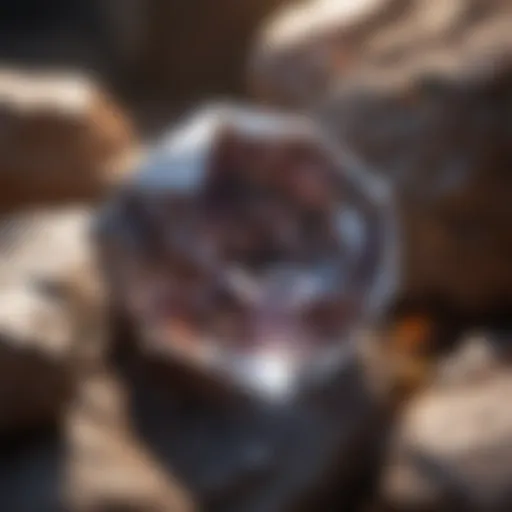
Crystals and gemstones represent the pinnacle of natural beauty. Their stunning colors and forms often capture the imagination, making them highly sought after. Crystals are formed from repeating molecular structures, leading to distinctive shapes like cubic, hexagonal, or prismatic forms. Gemstones, in contrast, are typically cut and polished versions of crystals, valued for ornamental and rare qualities.
Purchasing crystals and gemstones can be an exhilarating experience. However, it carries with it the need for knowledge on factors such as clarity, cut, carat, and color, often referred to as the four Cs. Amethyst, rubies, and diamonds are stalwarts in this category, beloved for both their beauty and investment potential.
When acquiring crystals and gemstones, always consider provenance. Knowing where a stone comes from can enhance its value and appeal. For example, a diamond sourced from a reputable mine can command a higher price than one from a less reputable source.

Metamorphic Rocks
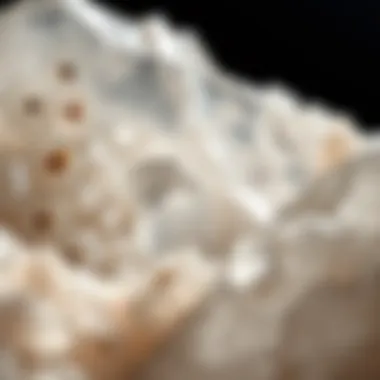
Metamorphic rocks are a testament to earth's dynamic nature. They form under significant pressure and temperature changes that alter the original rock’s structure. Well-known examples include marble, formed from limestone, and slate, which originates from shale. The metamorphosis can yield stunning visual changes. For instance, the foliation in schist can create breathtaking patterns defined by mineral layers.
Collectors often find metamorphic rocks appealing not just for aesthetic reasons, but because they tell a story of geological processes. When purchasing these, it's essential to understand the conditions they endured, which adds depth to any collection.
Igneous Rocks
Igneous rocks are born from fire, crystallizing from molten magma or lava. Their formation process leads to fascinating textures and colors that can vary dramatically. Common types, such as granite and basalt, showcase the range of possibilities inherent in igneous formations. Granite, known for its durability and unique grain, is a favorite in both rock collections and construction.
When looking to buy igneous rocks, consider their origins. Light-colored granites may indicate continental crust, while dark basalts typically suggest activity stemming from oceanic crust. A rock’s origin can greatly impact its value and appeal to collectors who understand these geological nuances.
Sedimentary Rocks
Sedimentary rocks often provide the richest stories of Earth’s ancient environments. Formed from the compaction of sediment and organic materials, they are typically layered and can contain fossils. Noteworthy examples include sandstone, limestone, and shale. Their layers can reveal information about past climates, ecosystems, and even prehistoric life.
Buyers interested in sedimenart rock should look out for unique characteristics, such as fossil inclusions or color variations. A well-preserved piece of limestone bearing ancient coral fossils can be especially valuable.
"Understanding the origins and categories of raw rocks and minerals not only enriches a collector's knowledge but also enhances the overall value and enjoyment of their collection."
In summary, knowing the types of raw rocks and minerals available for sale can significantly impact a collector's experience, whether for personal enjoyment or investment. The aesthetic appeal, geological significance, and market value refresh the excitement of this vast field.
Sourcing Raw Rocks and Minerals
Finding the right raw rocks and minerals is pivotal for any collector or enthusiast. Sourcing involves much more than simply buying; it includes understanding where your specimens originate, their geological significance, and how to distinguish quality pieces from those that are less desirable. Thoughtful sourcing ensures that your collection not only thrives in diversity but also gains integrity. Thus, this section is essential for anyone looking to establish a reputable collection or merely expand their knowledge in the field.
Finding Reliable Suppliers
When diving into the world of raw specimens, finding reliable suppliers can make all the difference. Not all vendors are created equal; some may prioritize profit over authenticity. It’s wise to vet suppliers meticulously. Establishing relationships with dealers who are transparent about their sources and their inventory’s provenance will save collectors from unfortunate purchases.
- Research is key: Use online resources such as Reddit groups dedicated to collecting minerals or fossil communities on Facebook to gain insights on trustworthy suppliers. These platforms often have user-generated reviews and discussions that can guide your choices.
- Ask questions: Good suppliers will welcome queries about their sourcing methods, allowing customers to feel confident in their purchases. Bypass the ones who shy away from transparency.
Online Marketplaces
The rise of online marketplaces has revolutionized how collectors source rocks and minerals. Websites like eBay and Etsy offer vast selections, but caution is advised. Filtering through listings requires a discerning eye. Here are a few tips:
- Check seller ratings: A high rating usually indicates a reputable seller. When browsing these platforms, concentrate on feedback and previous customer experiences—this can tell you a lot about the seller’s trustworthiness.
- Examine photos carefully: Images can be misleading. Look for detailed photographs that capture the specimens’ angles, clarity, and color.
- Use search filters: Keywords such as "certified" or "authentic" can help you hone in on quality specimens amongst a plethora of listings.
Local Rock Shows and Fairs
Experiencing local rock shows and fairs offers not just a purchasing opportunity, but also a communal environment for exchanging knowledge. These events allow collectors to interact closely with sellers, making it easier to assess quality firsthand. Benefits of attending include:
- Hands-on experience: You can touch and examine the minerals, helping you better understand what to look for when sourcing.
- Network with fellow collectors: These fairs are a goldmine for meeting like-minded individuals who can share valuable tips, resources, and experiences. Join conversations with seasoned collectors to learn more about sourcing techniques.
- Support local businesses: Purchasing from local vendors promotes sustainable practices and contributes to community engagement.
Mining Regions
If you’re adventurous and seeking authentic engagement with rocks and minerals, mining regions present a unique opportunity. Visiting a mining site allows you to experience the very origin of your specimens. Consider these points:
- Research the locale: Before heading off, verify if the mine allows public visits or if they offer tours. Not all locations are open to the public, so plan carefully.
- Extracting responsibly: If you are permitted to collect, ensure that you follow local regulations to promote sustainable and ethical mining practices.
- Knowledge from the source: Local miners can provide insights about specific rocks and minerals, enriching your understanding of geology.
In summary, sourcing raw rocks and minerals is a multifaceted process that can add depth and character to any collection. By being diligent in supplier selection, utilizing online tools wisely, attending local events, or exploring mining regions, collectors can ensure they have a robust and credible assemblage of specimens. For more detailed discussions on sourcing, delve into resources such as Wikipedia, Britannica, or forums on Reddit to enrich your journey.
Evaluating Raw Rocks and Minerals
Understanding how to evaluate raw rocks and minerals is pivotal for anyone looking to delve into the collecting world. The ability to discern quality, authenticity, and the nuances of pricing not only enhances your collection but also educates you as a collector. A well-informed collector can appreciate the unique stories that each specimen tells, along with its geological significance. This section will explore crucial aspects that underpin proper evaluation, guiding you to become a savvier enthusiast, whether you are just starting or expanding your collection.
Identifying Authentic Specimens
Authenticity cannot be overstated when it comes to raw rocks and minerals. Knowing how to identify genuine specimens avoids the pitfall of purchasing fakes or misrepresented pieces. One effective approach is to look for indicators unique to the natural world, such as:
- Surface Texture: Genuine specimens often display irregularities that arise during their natural formation. This includes variations in surface texture that can’t be replicated in a lab.
- Color Inconsistencies: Authentic crystals may have subtle color changes—often referred to as banding—that synthetic counterparts lack.
- Weight and Density: Familiarizing yourself with the expected weight of certain minerals can help. For instance, a true piece of quartz feels considerably heavier than a fabricated one made of glass.
Your intuition plays a significant role too. If something feels “off,” take the time to investigate further. Resources like Mindat.org can help cross-reference information on authenticity.
Understanding Quality Indicators
Quality indicators can help determine not just the value but also the desirability of a specimen. The following are key factors to consider:
- Clarity: For crystals, clarity is paramount. The clearer the stone, the more visually appealing it often is. This can correlate with its market value.
- Size and Weight: Generally, larger specimens command higher prices, but size alone doesn’t guarantee quality. A smaller, high-quality gem can outweigh a larger, flawed one in desirability.
- Condition: Consider any chips, fractures, or repairs—pristine pieces are always more sought after.


All these indicators demand attention during evaluation. Tailored workshops and organizations, such as the International Gem Society, often provide workshops that dig deeper into these aspects.
Valuation and Pricing
Valuation in the realm of rocks and minerals can be as subjective as it gets. While some collectors view their items as mere artifacts, others perceive them as investments. When it comes to pricing, several elements come into play:
- Market Trends: Just like any collectible, rocks and minerals see fluctuating values depending on demand. Knowledge of current trends can guide your buying or selling strategy. For example, certain quartz varieties have gained popularity recently due to their aesthetic appeal, hence driving up their prices.
- Rarity: The fewer the specimens available, the more you can expect to pay. Uncommon minerals like painite can fetch staggering prices.
- Provenance: Documentation or historical significance can also add to a specimen’s value. If a rock or mineral has an interesting backstory or comes from a notable locality, expect to see a premium on its price.
Caring for Your Collection
As any seasoned collector knows, the joy of amassing a collection is only as satisfying as the effort put into caring for it. Raw rocks and minerals, with their beauty and unique characteristics, require thoughtful attention to ensure they remain in pristine condition. Proper care not only prolongs the lifespan of your specimens but also enhances their visual appeal and value over time. Let’s delve into some of the crucial aspects of caring for your collection.
Proper Storage Techniques
When it comes to storage, a safe environment is paramount. First and foremost, think about where you keep your pieces. Avoid areas with excessive moisture or high temperatures, as these conditions can lead to deterioration. Ideally, you should store your rocks and minerals in a cool, dry place, such as a dedicated display cabinet or a climate-controlled room.
- Use Soft Liners: Consider using soft cloths or dividers within your display case. This will cushion the specimens and prevent scratches or abrasions.
- Label and Organize: It’s wise to label your rocks and minerals. This not only makes them easier to find, but also keeps track of their origins and characteristics. Organize them by category or type, which adds an element of efficiency to your storage.
- Keep Out of Direct Sunlight: Prolonged exposure to sunlight can fade colors. If displaying at home, choose a spot that gets a little light but is shielded from direct rays.
Cleaning and Maintenance
While admiring your collection is rewarding, it’s also essential to keep it clean. Dust can accumulate and dull the shine of your stones, obscuring their beauty. Here are some cleaning tips:
- Gentle Cleaning: Use a soft brush or microfiber cloth to gently remove dust. Abrasive materials can scratch your specimens, so tread lightly.
- Water and Mild Soap: If deeper cleaning is needed, a solution of lukewarm water and mild soap can be your best friend. Dip your cloth into the solution, wring it out, and wipe the surface carefully. Avoid soaking your rocks, as water can damage some minerals.
- Dry Properly: Always dry your minerals completely to prevent moisture damage. A gentle pat with a dry cloth should do.
Displaying Your Collection
Now that you’ve taken steps to store and clean your collection, displaying it is the next step. A well-thought-out display not only showcases the beauty of your specimens but also reflects your passion for geology. Consider these aspects:
- Use Clear Display Cases: Transparent display cases allow visitors to appreciate the minerals without direct handling. It minimizes exposure to harmful elements while displaying them beautifully.
- Create a Theme: Group similar types together or display them by geographical origin. This can offer context and enhance the storytelling of your collection.
- Rotate Pieces: Every once in a while, switch out the pieces in your display. This keeps things fresh and interesting for you and your guests.
"A collection is not just about possession; it’s about the story and care behind each piece."
Ultimately, caring for your collection of raw rocks and minerals is an act of love. By investing time into proper storage, cleaning, and display, you not only preserve the quality of your specimens but also enrich your experience as a dedicated collector.
For more information on maintaining your collection, you may want to visit resources like Wikipedia or Britannica.
Stay engaged with fellow enthusiasts through online forums such as Reddit and explore local groups on Facebook for additional tips and community support.
The Educational Importance of Raw Rocks and Minerals
Understanding raw rocks and minerals serves a vital role beyond just the ornamental or collecting aspects. They open doors to a treasure trove of knowledge for educators, students, and hobbyists alike. The fascination for geology can kickstart a journey that spans a lifetime, nurturing curiosity about Earth’s ancient history and ongoing processes.
One of the key benefits lies in how these materials enhance learning experiences. When students engage with real specimens rather than mere diagrams or images in textbooks, it brings tangible context to topics such as mineralogy, igneous processes, and sedimentation. Hands-on education can really ground theoretical knowledge.
Moreover, the wisdom accumulated through raw rocks and minerals extends into awareness of environmental stewardship and conservation. By examining where and how these materials are sourced, students can grasp the impact of mining and the importance of sustainable practices. This aspect can ignite discussions on ethical sourcing and the environmental implications of geological exploration.
Fostering a Love for Geology
Creating a deep-seated love for geology often relies heavily on direct interaction with raw rocks and minerals. From the shimmering surfaces of quartz to the rugged textures of sandstone, these geological wonders pique interest in physical features and environmental conditions of their formation.
By simply holding a piece of obsidian or examining the layering in a piece of shale, one starts to recognize narratives woven through time. Each rock is like a chapter in a storybook, offering insights into the Earth's formation, climate changes, and even tectonic shifts over millennia. Engaging with such specimens can inspire deeper questions: How did this rock form? What conditions existed millions of years ago?
Furthermore, encouraging group outings to rock shows or nature walks can bolster a community of young geologists. Imagine a group of students examining a range of minerals at a show, debating their findings, and engaging in passionate discussions. This sort of collective curiosity builds bonds while enriching knowledge.
"The wonders of the Earth, represented through raw rocks and minerals, are not just for collectors but for everyone willing to listen to their stories."
Hands-On Learning for Students
When it comes to education, the phrase "learning by doing" truly resonates. Incorporating raw rocks and minerals into classroom lessons creates opportunities for hands-on experiments and activities. For example, students can compare the hardness of different minerals through scratch tests or observe the effects of acid on limestone to witness effervescence. Such engaging activities not only capture attention but also help solidify concepts.
Additionally, incorporating field trips allows students to experience geology beyond the confines of their classrooms. Visiting quarries or natural reserves can be enlightening, sparking discussions about local geology. Students become amateur geologists when they collect their samples, document findings with sketches, and share their observations.
Here are some practical activities that can foster hands-on learning:
- Mineral Identification: Taking common minerals and utilizing a hand lens or microscope can help students observe characteristics firsthand.
- Crystal Growth: Using sugar solutions or alum to grow crystals can show the fascinating process of crystallization.
- Rock Cycle Models: Creating models to demonstrate sedimentary, igneous, and metamorphic processes gives a visual representation of geological evolution.
Through these types of investigations, students not only learn facts, they also develop critical thinking, problem-solving, and teamwork skills. In a world that is increasingly digital, the tactile experience of handling raw minerals connects learners to their environment, making geological studies much more relatable and impactful.
Community Engagement and Resources

Engagement with fellow enthusiasts is a cornerstone in the world of raw rocks and minerals. Not only does it provide opportunities to learn from others, but it also fosters a sense of belonging. Building a community around this shared passion opens up avenues for networking, knowledge sharing, and collaborative discovery. It’s about more than just collecting rocks—it's about forming connections.
Building a Network of Collectors
Having a network of collectors can be incredibly fruitful. This community can serve as a reliable source for advice, mentorship, and the sharing of valuable insights. Each member brings their own unique experiences, and often, these insights can pave the way for new discoveries that might not be documented elsewhere.
Consider organizing local meet-ups or joining existing ones. Whether it's a casual coffee chat or a more structured event, these interactions can illuminate different perspectives on collecting and evaluating specimens. Plus, you never know when someone might offer you that elusive piece you’ve been hunting for!
"The magic of collecting lies not just in the rocks but in the stories they tell amongst friends."
Participating in Forums and Discussions
Online forums, such as Reddit or specialized websites, serve as incredible platforms for discussion. These virtual spaces allow collectors to exchange ideas, seek assistance for identifying specimens, and even trade or sell their finds. Participating actively can expose you to new trends and practices in the collecting community.
Many forums host discussions on a variety of topics, including:
- Identification challenges—sharing photos and descriptions to get help from others.
- Tips for sourcing your next piece, including recommended suppliers.
- Discussions about proper care and storage methods for your collection.
Engagement in these discussions not only bolsters your personal knowledge but also contributes to the collective expertise of the community.
Accessing Online Resources
The wealth of online resources available today is mind-boggling. From educational websites, such as the Smithsonian and American Geosciences Institute, to social media groups, the internet is a treasure trove waiting to be explored. Collectors can utilize these platforms to deepen their understanding of geology and mineralogy.
A few key resources worth checking out include:
- Geology.com – A broad array of articles discussing various aspects of rocks, minerals, and the specifics of geological science.
- Mindat.org – A comprehensive database over minerals and locality data.
- Community-focused sites like Facebook Groups, where members post photos and inquire about the provenance and value of their specimens.
By diving into these resources, collectors can not only enhance their knowledge but also stay informed about the latest trends and findings in the field.
Environment and Ethical Considerations
In the realm of collecting raw rocks and minerals, the conversation often veers away from just aesthetics and rarity, delving deeply into the impact our activities have on the environment and societal frameworks. The ethical considerations surrounding the sourcing and selling of these natural specimens are monumental. Not only do collectors have a love for these tangible pieces of earth's history, but there also lies a responsibility to ensure that our passion doesn’t adversely affect the environment and local communities.
Sustainable Sourcing Practices
To keep our beloved hobby aligned with environmentally friendly principles, sustainable sourcing practices are vital. These involve methods that protect the ecosystem and minimize harm. When seeking out raw rocks and minerals, collectors should lean towards suppliers who prioritize sustainability. This can look like:
- Local Sourcing: Purchasing from local suppliers can reduce carbon footprints associated with transportation. Local minerals often retain more of their unique characteristics and can create ties between collectors and their communities.
- Ethical Mining Standards: Engaging with vendors who adhere to ethical mining practices, ensuring that mining is done responsibly, and workers are treated fairly.
- Symbiotic Collecting: Following practices that demonstrate respect for the land, such as avoiding mineral sites that are sensitive or at risk of ecological harm. When possible, opt for naturally shed materials rather than those that require excavation.
Through these methods, enthusiasts can embrace their hobby while safeguarding the planet.
Legal Regulations and Compliance
Navigating the regulatory landscape concerning raw rocks and minerals is both crucial and complicated. The laws affecting the collection and resale of these materials are designed not merely to govern trade but also to protect natural resources and indigenous rights. It’s important to understand the following:
- National Parks and Protected Areas: Physical elements of nature such as rocks and minerals found in national parks are illegal to collect. Engaging in any form of collection in these areas can lead to hefty fines.
- International Trade Regulations: Many countries have specific laws regarding the export and import of certain minerals, especially those that are rare or threatened. Ensuring compliance with these laws is key to maintaining ethical practices.
- Documentation of Origin: Keeping thorough documentation of where mineral specimens originated is crucial. This not only helps in proving legitimacy but also informs potential buyers about their environmental and cultural impact. By remaining astute on legal matters, collectors can preserve the integrity of their collection while supporting a fair market.
"Sourcing raw rocks and minerals ethically isn’t just a trend; it’s a necessity for the sustainability of our planet and its future generations."
Fostering an awareness of the environmental impact and existing regulations isn’t merely a good practice; it’s an essential element in the realm of raw rocks and minerals. As collectors and enthusiasts, we have the opportunity to champion sustainability and enforce the ethical aspects of our passion.
Future Trends in the Market
Keeping an eye on the future trends in the market for raw rocks and minerals is crucial for collectors and enthusiasts alike. As this field evolves, so do the preferences of buyers, the technology used in sourcing, and the overall audience interested in these natural wonders. Understanding these shifts can significantly enhance one’s collecting strategies and investment decisions.
Collecting Trends and Preferences
When delving into collecting trends, one sees that they shift like sand in an hourglass. Trends might fluctuate based on influences such as popular culture, economic conditions, and emerging aesthetic preferences. More than ever, collectors are aligning their choices with sustainability and ethical sourcing, valuing pieces that come with assurance of responsible extraction.
- Natural vs. Enhanced: There is a growing demand for natural specimens free from alterations, as collectors are prioritizing authenticity over enhanced visuals. For instance, a natural amethyst crystal is often deemed more valuable than one that’s treated to deepen its color.
- Specialization: We notice that many collectors are honing in on niche categories—be it rare minerals or specific geographical regions. This trend promotes deeper knowledge and engagement with specific taxonomies of rocks and minerals, ultimately enriching their collections.
Technological Innovations in Sourcing
The technological advancements in sourcing raw rocks and minerals are nothing short of revolutionary. Tools such as satellite imaging and drones are being utilized to identify and assess mineral deposits more efficiently than traditional methods. Moreover, online platforms are reshaping the accessibility of these materials, allowing for a broader reach than ever before.
- Remote Sensing: Using drones equipped with imaging technology can pinpoint new mining sites while minimizing physical disturbances to the environment.
- Market Analysis Tools: Data analytics are employed now to track market trends and pricing models, giving buyers crucial insights into when to purchase or sell their collections. For instance, platforms like Mindat.org and The Collector’s Society provide real-time data on market fluctuations and trends.
This intertwining of technology and geology makes the process of collecting invigorating and more informed.
Expanding the Audience for Collectibles
One of the most exciting developments in recent years is the broadening of the audience for raw rocks and minerals. Younger generations, often driven by social media and the allure of unique collectibles, are discovering the joy of rock hunting and mineralology. Platforms like Instagram and TikTok have popularized sharing collections, fostering a vibrant community around collecting.
- Education Initiatives: Many organizations and schools are now implementing educational programs focused on geology and the environment, captivating students’ interest in rocks and minerals at a young age. Events tailored towards children, such as “rock talks” or hands-on workshops, are becoming common in schools and local museums.
- Host Events: There’s a noticeable uptick in rock shows, fairs, and online meetups tailored for collectors of all ages. These events not only facilitate buying and selling but also create avenues for education through workshops and demonstrations.