Fluorite Pricing: Insights into Market Dynamics

Intro
Fluorite, with its strikingly vivid hues and interesting properties, has caught the eye of both collectors and industrial users for centuries. As we delve into the multifaceted aspects that shape the price of fluorite, it becomes crucial to understand not just the material itself but also its context—its history, cultural relevance, and market dynamics. This exploration of fluorite pricing takes us on a journey through time, examining how the mineral has been valued across different eras and societies, while also straightening out the tangled mess of factors that can sway its price in today's market.
History and Origins
Overview of Collectibles, Rocks, and Fossils
For collectors, fluorite stands out in the crowd, not merely because of its captivating colors but also due to its unique formation process. Formed primarily in hydrothermal veins, fluorite can exhibit a dazzling array of colors from greens to purples to blues. Each piece tells a story, offering clues about its source and the conditions it formed under.
Collectors are often drawn to fluorite for its combination of beauty and rarity. With certain specimens selling for substantial sums, understanding its historical significance can enhance appreciation for what many consider a relatively accessible mineral. Unlike more illustrious gems, fluorite's value does not just lie in how it is perceived today, but also in how it has been viewed through the ages.
Historical Significance and Cultural Impact
Fluorite's usage can be traced back centuries. In ancient China, it was carved into intricate designs and used for ornamental purposes, signifying status and wealth. It wasn't until the 19th century, though, that its potential in industrial applications began to gain recognition. The mining of fluorite became particularly prominent in areas like Illinois and Kentucky, which have contributed significantly to its market supply. As the industrial revolution took off, fluorite’s role as a flux in steelmaking further escalated its demand.
But it wasn't just industry that fueled the fascination with this mineral; its aesthetic appeal played a substantial role in driving the collector market. In the mid-20th century, mineral shows began to pop up, allowing enthusiasts to showcase their findings and create communities around the passion for collecting. This cultural exchange of information and specimens contributed to a growing understanding and valuation of fluorite in various forms and colors.
Identification and Classification
Guide to Identifying Rocks and Fossils
For rock and fossil collectors eager to identify high-quality fluorite specimens, knowing what to look for is essential. Some key identifiers include:
- Color Variations: The prominent colors in fluorite, ranging from clear to deep purples and greens, can indicate quality and origin.
- Crystal Structure: Fluorite typically forms isometric crystals, giving it the characteristic cube-like shape.
- Clarity: Higher clarity can dictate a higher value, with translucent pieces often fetching better prices than opaque ones.
Common Types and Variations
Collectors should be aware of several noteworthy types of fluorite:
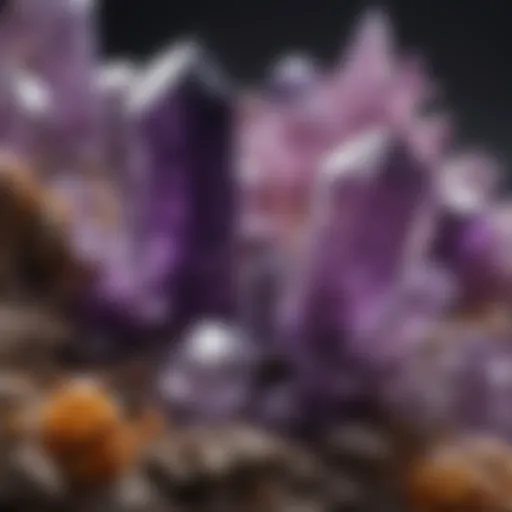
- Purple Fluorite: The most sought-after type, known for its vibrant hue.
- Green Fluorite: Often associated with healing and used in crystal therapy.
- Blue Fluorite: Less common, this variation can be quite valuable depending on its saturation.
Each type has its own story, which contributes to its market value. For instance, specific mines in China produce some of the most visually stunning pieces, particularly known for their rich colors and clear formations. Understanding these differences is key for anyone looking to invest in or collect fluorite.
With this foundation laid, our exploration will continue into the various factors affecting fluorite pricing. Whether you’re a seasoned collector or a novice, gaining insight into these aspects can enhance your experience and expertise within this fascinating field.
For more in-depth reading on the historical significance of minerals, consider visiting Encyclopedia Britannica or Wikipedia.
The value of fluorite isn't just in its flash; it's entwined with its history, stories, and the hands that have touched it over time.
Understanding Fluorite
Fluorite is more than just a captivating mineral; it embodies a unique blend of beauty and utility that captures the interest of collectors and industrial professionals alike. This article aims to underpin the significance of understanding fluorite by unraveling its characteristics, varieties, and the geological processes behind its formation. The multifaceted aspects of fluorite make it essential for those who have an eye for detail—be it for aesthetic collection or industrial application.
One of the major draws of fluorite lies in its diverse color palette and transparency. It can show colors ranging from deep violet to icy green, and even colorless varieties can be equally striking. In exploring these variations, we see how important it becomes for collectors to recognize the specific qualities, such as clarity and color saturation, which heavily influence market value.
Moreover, comprehension of fluorite's formation and its occurrence in nature details how this mineral can be sourced effectively. Knowledge about the geological history enables collectors to pinpoint fruitful areas for potential finds, enhancing their collection while also expanding their understanding of where and how this mineral develops.
Characteristics and Formation
Fluorite, scientifically known as calcium fluoride (CaF2), often forms in hydrothermal veins or in sedimentary deposits. Its formation is closely associated with the cooling of gas-rich magma beneath the Earth's crust. Over time, as various elements diffuse through fluids, they crystallize into the distinct formations we admire today.
The mineral's distinct characteristics include:
- Cleavage: Fluorite has perfect octahedral cleavage, meaning it breaks along specific lines, which can create brilliant reflections.
- Hardness: Measuring at 4 on the Mohs scale, fluorite is relatively soft, making it easy to work with.
- Fluorescence: Under ultraviolet light, certain types of fluorite exhibit unique fluorescent properties, leading to their nickname, "the gem of the night."
Understanding these characteristics helps collectors identify which pieces may hold higher value or aesthetic appeal.
Varieties and Coloration
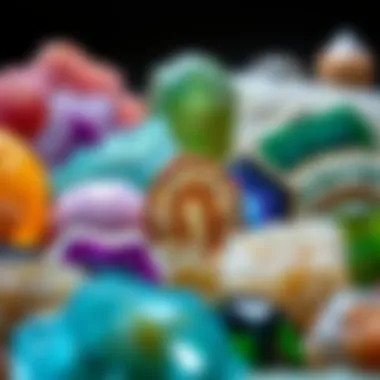
Fluorite’s allure partially comes from its remarkable range of colors. Some notable varieties include:
- Purple Fluorite: Often considered the most desirable, with hues ranging from light lavender to deep indigo.
- Green Fluorite: Commonly found and widely cherished in both jewelry and decor.
- Colorless Fluorite: Though less striking in hue, its clarity often makes it an interesting choice for collectors.
- Blue and Yellow Fluorite: These rarer colors elicit strong interest and can command higher prices in the market.
The differences in coloration arise from trace impurities and the crystalline structure itself. For example, the presence of iron might lend a yellowish tint, while other elements can impart shades of blue or violet.
Collectors need to be mindful of these variations, as they directly affect the desirability and price point of specific pieces. High-quality fluorite that not only boasts an exciting color but also remains defect-free and well-formed can be a rare find and, therefore, be retained as treasured components within collections.
"Fluorite is a vibrant canvas of nature’s artistry, waiting to be explored by those willing to delve deeper into its mysteries."
As we move through this article, we will explore the broader market landscape for fluorite, discussing its demand, pricing factors, and the trends shaping its future.
Market Overview
Understanding the market dynamics surrounding fluorite is crucial for comprehending its price fluctuations and overall significance. In today's economy, where resources are constantly evaluated and reassessed, the role of minerals like fluorite can easily be overshadowed by flashier commodities. However, fluorite’s utility spans both industrial applications and personal collections, making its market a curious blend of necessity and aesthetics.
Here, we will delve into two primary areas: Global Demand for Fluorite and Key Regions of Supply. This discussion will shine a light on how various factors such as industrial usage, rarity, and geographical sourcing contribute to the pricing mechanism of this fascinating mineral.
Global Demand for Fluorite
The demand for fluorite varies significantly across different sectors. In the industrial realm, fluorite is highly sought after for its role in metallurgy, where it aids in the manufacturing of aluminum and other metals. Additionally, its application in the production of fluorine compounds and as a flux in the steel industry solidifies its importance. On a different note, it has found a niche in the realm of collectors, with colorful, high-quality specimens selling at impressive prices.
Recent market trends reflect a growing demand, driven largely by technological advancements and the increasing utilization of fluorochemicals in a variety of applications.
- Industries Utilizing Fluorite:
- Collector Market:
- Aluminum Production: Fluorite helps in smelting aluminum, making it invaluable for aluminum manufacturers.
- Steel Manufacturing: Used as a flux to remove impurities in steel production, enhancing quality significantly.
- Fluorochemicals: The production of refrigerants and other chemicals heavily relies on high-quality fluorite.
- High-end collectors seek out vibrant specimens, pushing prices upward based on color and clarity.
- Fluorite's interesting optical properties bolster its appeal as a collectible.
As we see, industries and collectors alike fuel the ongoing demand for fluorite, intertwining their needs and desires in this mineral - each purchasing with a different lens but equally contributing to its overall value.
Key Regions of Supply
The geography of fluorite mining plays a pivotal role in shaping the market. Key regions not only dictate the availability of high-quality fluorite but also influence the price due to transportation costs and regional economic policies. Noteworthy mining areas include the following:
- China: Dominates the global supply, holding more than half of the world's production. The regions of Inner Mongolia and Guangxi are particularly rich in high-grade fluorite deposits.
- Mexico: Known for its vibrant and colorful fluorite specimens, the state of Durango is a significant source.
- South Africa: Mining operations here yield both gem-quality fluorite for collectors and industrial-grade fluorite.
With that, various supply chain factors come into play:
- Transportation Costs: The farther the mineral travels, the higher the price can be, especially if it's a vibrant collector’s piece.
- Political and Economic Stability: Regions experiencing political instability may lead to disruptions in supply, causing market prices to spike.
- Mining Regulations: Stringent regulations or environmental policies in certain countries can limit output, affecting availability and consequently pricing.
Understanding the intricate balance of these supply regions highlights how fluctuations in availability can directly lead to changes in the market price of fluorite. All in all, this complex interplay of demand and supply dictates the ultimate valuation of fluorite, making it essential knowledge for collectors and industry professionals alike.
"Fluorite may not always be in the spotlight, but its underlying demand and the nuances of its supply chain hold pivotal insights for savvy collectors and investors." - Mineral Market Analyst
For additional insights and data regarding fluorite and its market trends, consider visiting resources like Wikipedia and Britannica. Also, relevant discussions can be found on platforms such as reddit.com where enthusiasts and collectors often share updates and experiences.
Factors Influencing Pricing
Understanding the factors that influence the pricing of fluorite is crucial for both collectors and industry professionals. It’s not just about the mineral itself; various elements play significant roles in determining its market value. The interplay of quality, geological sources, and costs associated with extraction and processing create a multifaceted pricing landscape that can be quite intricate.
Quality and Purity Standards
The parameters of quality and purity stand at the forefront of fluorite pricing. When we talk about quality, we refer to the mineral’s clarity, color vibrancy, and presence of inclusions. Higher purity means fewer impurities, like iron or other minerals, which could affect its color or clarity. This factor is paramount, because:
- Luster: A pristine piece of fluorite with high clarity can fetch a higher price.
- Color: Certain colors, such as deep purple or vivid green, are often more sought after, impacting price significantly.
- Certification: Well-documented purity standards, often backed by reputable organizations, enhance credibility and market value.
A fluorite piece graded as high quality can sometimes command prices three to four times higher than that of lower-grade specimens. Essentially, the prettier the stone, the deeper the hole in your wallet.
Geological Sources
The origin of fluorite also dictates its pricing. Not all fluorite deposits are created equal; some regions yield higher-quality stones, thus affecting their market prices. Major sources of fluorite include:
- China: The leading producer of fluorite globally, accounting for more than half of the world’s supply. Their unique geological conditions result in some of the best specimens.
- Mexico: Known for striking, colorful pieces, their fluorite can be quite the treasure for collectors.
- South Africa: Offers a variety of fluorite types that can be both affordable and collectible.
Regions with strong historical significance in fluorite mining often see collectors willing to pay premium prices simply because of authenticity and rarity associated with the area. Moreover, the geopolitical landscape can also introduce uncertainties that affect market pricing based on supply fluctuations.


Extraction and Processing Costs
The journey of fluorite from the ground to the market entails a series of logistic and industrial steps, which come at a cost. These costs are influenced by several factors:
- Mining Techniques: Traditional mining methods can be labor-intensive and costly, while more modern methods might raise efficiency but require investments in technology and machinery.
- Geographical Challenges: Extraction in remote locations often incurs additional transportation and operational costs.
- Safety Regulations: Compliance with environmental and safety regulations can also drive up costs, which, in turn, influences the final market price of fluorite.
In summary, understanding the mechanics behind these costs provides insight into why fluorite, though visually appealing, can sometimes be priced beyond what one might initially expect.
"In the mineral world, as in life, quality rarely comes cheap."
Overall, by grasping the significance of quality, geological sources, and the costs associated with extraction and processing, collectors and investors can make well-informed decisions. Each piece of fluorite, with its unique background and quality, embodies a story that resonates through its pricing.
Historical Pricing Trends
Understanding the historical pricing trends of fluorite is essential for grasping how this mineral's value has fluctuated over time and continues to adapt under various market stresses. The price movements of fluorite not only reflect general market conditions but also offer insights into industry practices and consumer interests. This section highlights the trajectories that have shaped the fluorite market and illustrates how past patterns can be insightful for collectors and investors alike.
Past Market Dynamics
Fluorite pricing has not been a smooth sail; rather, it resembles the rugged terrain of the mountains where it often forms. Over the past few decades, the market has experienced rocky shifts influenced by several factors: the rise in demand for fluorinated compounds, changes in mining technologies, and even environmental regulations concerning mining practices.
In earlier times, fluorite was relatively affordable, with prices hovering around $10 to $20 per ton. However, as industrial applications for fluorite grew, particularly in the aluminum and steel industries, the demand surged. This booming lust for fluorite caused its price to creep upwards. By the late 2000s, prices varied significantly based on quality, jumping to ranges of $40 to $80 per ton, especially for high-grade varieties.
The Geology and mining methods also played a pivotal role in shaping these dynamics. Efficient extraction methods that were developed led to increased output, while at times oversupply dampened prices temporarily. This cyclic behavior showcases the importance of understanding supply chains and production costs. Thus, for those tracking prices over time, catching the rhythm of these market dynamics becomes vital for making informed decisions.
Influence of Economic Events
Economic events hold significant sway over mineral prices, and fluorite is no exception. To highlight a couple of pivotal moments: the 2008 financial crisis sent ripples through various sectors, and surprisingly, fluorite was impacted as well. Construction-related industries, which heavily relied on fluorite for steel production, took a hit as builders tightened their belts. Consequently, fluorite prices dipped during this period as demand faltered.
More recently, the COVID-19 pandemic brought another wave of uncertainty. Global supply chains were stagged, causing disruptions in the extraction and distribution of fluorite. Prices fluctuated as producers adjusted to the new normal. Meanwhile, as industries began to rebound, fluctuations became a common theme, prompting analysts and collectors to keep a keen eye on ongoing events.
Fluorite's prices reflect broader economic trends in remarkable ways. Whether it's inflation, trade tariffs, or geopolitical tensions, each can introduce unpredictability. In essence, collectors should keep tabs on the bigger picture; being cognizant of global economic climates will aid in predicting fluorite's market behavior.
"To understand the future of fluorite pricing, you need to learn from the past. Every price point tells a story of what has unfolded in the world around it."
As we think about the lessons learned from historical pricing trends, it becomes clear that both timing and awareness are crucial for anyone looking to navigate the minefield of fluorite pricing. Keeping an eye on past behaviors can be just as valuable as following current trends. With fluorspar playing an integral role in various sectors, from aluminum to ceramics, understanding these historical shifts can make a big difference in the collecting landscape.
Current Market Pricing Analysis
The current market pricing analysis for fluorite is a crucial piece of the larger puzzle when discussing this multifaceted mineral. Price fluctuations reflect not just the material's aesthetic appeal, but also its practical applications in various industries such as steel, aluminum, and even pharmaceuticals. Understanding these pricing dynamics can be especially beneficial for collectors, who often look to make investments that are both aesthetically fulfilling and financially rewarding.
Key to grasping the current pricing landscape are the average prices by quality and the comparative analysis with other minerals. Each of these elements informs how collectors and industry professionals navigate the market, ensuring they make informed decisions about buying and selling fluorite. Additionally, considering regional variations in price can shed light on broader trends and opportunities within the market.
Average Prices by Quality
When it comes to fluorite, quality is king. The price often hinges on various factors, including clarity, color intensity, and overall size of the specimen. Generally, high-quality fluorite pieces, those that exhibit vibrant colors and minimal inclusions, command higher prices.
- Gem-Grade Fluorite: The cream of the crop, these pieces can fetch anywhere from $10 to $100 per carat, especially in well-defined crystal forms. The more striking the colors—like deep greens or purples—the heftier the price tag.
- Collector's Grade: This category features pieces that may have slight inclusions or less vibrant coloration but still hold aesthetic appeal. Prices for these can range from $5 to $25 per carat, depending heavily on the uniqueness of each specimen.
- Industrial Grade: Often less appreciated among collectors, the industrial-grade fluorite is sold by the ton. Prices typically hover around $25 to $100 per ton, showcasing its bulk value as a raw material rather than as a collectible aesthetic piece.
Overall, the price tends to capture the beauty of the mineral along with its raw material potential, making quality assessments indispensable for those engaged in collecting or utilizing fluorite.
Comparative Analysis with Other Minerals
In searching for context, it is enlightening to compare the current pricing of fluorite against that of other prominent minerals. For instance, consider quartz, a commonly collected mineral that is generally more abundant and often significantly cheaper. A quality quartz piece might only cost $5 to $15 per carat, putting it in stark contrast to high-grade fluorite specimens.
Another interesting comparison can be made with amethyst, which can reach prices similar to fluorite under certain conditions—especially for high-quality specimens. Average prices for amethyst can fall between $10 to $50 per carat depending on quality and market demand.
When analyzing these comparative prices, it's essential to factor in market trends that could affect future pricing, grasping how demand shifts can sway one mineral more than another. Factors such as industrial demand, collector trends, and even environmental policies around mining can lead to shifting prices in unpredictable ways. Understanding these nuances will help collectors anticipate market movements and strategize their buying and selling efforts.
"Understanding the price of fluorite not only involves its own characteristics but also its standing alongside other minerals. This broader perspective can enhance your insight into the market overall."
By dissecting both average prices by quality and making comparisons with other minerals, one can gain a well-rounded viewpoint on fluorite's current market dynamics. This analysis serves not only to inform potential purchases but also to enhance the appreciation for the mineral's unique place in the collector's world.
Future Price Predictions
Forecasting the price of fluorite is akin to peering through a foggy window; it’s not always crystal clear, but with careful analysis, one can discern the shapes ahead. In this article, we delve into what influences those anticipated changes in price, understanding why these predictions matter greatly for collectors and investors alike. The future pricing of fluorite is not just a number; it is a reflection of market dynamics, collectible trends, and ongoing industrial demands. Grasping these factors can serve as a compass, guiding collectors in making informed decisions about their investments.
Potential Market Influences
Several elements weave together to shape the fabric of fluorite’s future prices. Here are some key market influences:
- Industrial Demand: Fluorite is heavily used in various industries, particularly in the production of aluminum, gasoline, and even in the electronic sector. As industries expand or contract, so does the demand for fluorite, which directly affects its price.
- Geopolitical Factors: Fluctuations in mining regulations, tariffs, or trade restrictions can influence both the supply and cost of fluorite. For instance, if a major fluorite-exporting country imposes stringent regulations, it could lessen the market supply, leading to a price increase.
- Market Speculation: Speculators in the mineral market can have a significant impact on the pricing of fluorite. If investors perceive an upside in future demand, they may hoard supplies, which can artificially inflate prices.
Quote: "Anticipating where the market's headed is an exercise in fortune telling, but one with facts on hand."
- Technological Advancements: Innovations in mining and extraction methods can lower production costs. If mining becomes more efficient, this could potentially stabilize or even decrease market prices, assuming demand remains constant.
- Environment and Regulations: The growing focus on sustainable mining practices can also play a role. If more stringent environmental laws come into play, the costs of mining could increase, influencing how much fluorite is worth in the market.
Understanding these potential influences prepares collectors and investors for the swift currents of price shifts, helping them align their expectations accurately.
Shifts in Collecting Trends
The world of mineral collecting is as fluid as the markets it intertwines with. Collectors today are not the same as those a decade ago, and their interests can shift quickly. This section offers a look into how collecting trends might sway fluorite prices in the years ahead:
- Aesthetic Preferences: The rise of social media has led to a heightened appreciation for particularly striking specimens of fluorite. Variants with unique colors and formations can become superstars among collectors, potentially increasing their value.
- Collector Community: Online platforms such as Reddit and Facebook groups have transformed how collectors interact and share knowledge. As communities shift their focus to certain types of fluorite, it can lead to dramatic changes in desirability and, therefore, pricing.
- Market Accessibility: The rise of online auctions and marketplaces has made it easier for collectors to find and purchase fluorite specimens. This accessibility often leads to more informed buyers, which can stabilize or heighten prices based on informed demand.
- Sustainability Concerns: With the growing attention on environmental impact, more collectors are starting to prioritize ethically sourced minerals. This shift might drive demand for fluorite sourced from regions with responsible mining practices, inherently impacting pricing.
The mineral landscape is constantly evolving, and those in the know can navigate these trends to assess which fluorite specimens are likely to increase in value.
Practical Guidance for Collectors
Delving into the world of fluorite collecting can be both captivating and daunting, especially for those newly introduced to this vibrant mineral. A sturdy grasp of practical guidance is vital for anyone looking to build a valuable collection or make informed purchases. The nuances in assessing value, understanding qualities, and market dynamics can significantly influence a collector's experience.
Assessing Value in Collections
Understanding how to assess the value of fluorite specimens is a cornerstone of successful collecting. Several compelling factors directly impact a piece's worth:
- Color and Clarity: The rule of thumb here is simple—more vibrant colors with clarity often fetch higher prices. Think of the deep purples from Madagascar or the electric greens found in China; they are not just beautiful but also rare.
- Size and Weight: Larger pieces might look impressive, but quality often trumps quantity. A small but exquisite crystal can be more valuable than a larger, opaque piece. It's like comparing a fine wine bottle to a jug of cheap wine.
- Rarity: Limited availability hits the pricing like a hammer. Knowing where your specimens come from can really influence how collectors value them. Some locations, like the Illinois’ Cave-in-Rock, are iconic for particular hues and characteristics.
- Condition: Chips, cracks, or any visual blemish can tank a piece's market value. You might find a radiant green fluorite, yet if it's damaged, it won't shine quite as brightly in the eyes of buyers.
Collectors should utilize resources such as websites like mindat.org or engage in forums on reddit.com/r/geology to gauge current market demands and values.
Buying and Selling Fluorite
Navigating the terrain of buying and selling fluorite specimens requires a strategic approach. Here are salient tips to keep in mind:
- Know Your Sources: Whether you're sourcing from local gem shows, online marketplaces, or private collectors, verify their credibility. Beware of sellers who offer deals that seem too good to be true.
- Research and Compare: Knowledge is power. Before parting with your hard-earned cash, research similar pieces online to form a baseline understanding of what the market supports for comparable quality and type.
- Pricing and Negotiation: When selling, initially set a price that reflects the value you assessed earlier but allows room for negotiation. Flexibility can lead to more successful transactions. If you’re buying, don’t hesitate to negotiate; often, the first price presented is just a starting point.
- Document Your Transactions: Always keep records of purchases, sales, and any appraisals your pieces undergo. This can help build provenance and verify value over time.
- Stay Informed: Fluorite price trends can shift with varying demand and market trends. Subscribe to mineral collector's magazines or engage with online communities to stay updated. Keeping an eye on information from geology.com can be especially fruitful.
As collectors navigate the landscape of fluorite collecting, the interplay of knowledge, resources, and timing makes the difference between a casual hobby and a valuable investment. With the right guidance, a collector not only enhances their collection but also enriches their understanding of this fascinating mineral.
Culmination
In this article, we have traversed the intricate landscape of fluorite pricing, shedding light on the multifaceted elements that shape its market value. Understanding the pricing dynamics of fluorite is not just an intellectual exercise; it equips collectors and investors with knowledge essential for making informed decisions.
Summarizing Key Insights
Several key insights emerge from our discussion on fluorite’s price dynamics:
- Market Influence: Demand from various sectors, including industry and collecting, significantly impacts fluorite prices. As industries continue to seek high-quality fluorite for manufacturing and processing, awareness of this demand can provide substantial advantages for collectors.
- Quality Indicators: Key factors determining fluorite’s value include purity, color, and the presence of unique characteristics. Collectors should diligently assess these attributes to accurately gauge the worth of their specimens.
- Geological Sources: The geographical origins of fluorite can drastically influence its market position. For instance, fluorite mined from certain locations may carry a premium due to its quality or rarity.
- Historical Context: Examining past pricing trends offers valuable insights into how economic fluctuations and market forces can alter values over time. Awareness of these historical patterns can help collectors forecast potential future movements in prices.
The significance of understanding fluorite pricing extends beyond mere acquisition; it can enhance the strategic approaches of collectors and investors alike.
"The price of fluorite goes beyond numbers; it reflects the larger narrative of demand, rarity, and passion in collecting—knowledge is your best asset."
For more insights, collectors may seek additional resources:
As we conclude, it’s clear that fluorite's value has many layers. Collectors who navigate these complexities will find themselves better prepared to appreciate, invest in, and enjoy this beautiful mineral.