Exploring the Diversity of Purple Rocks: A Guide

Intro
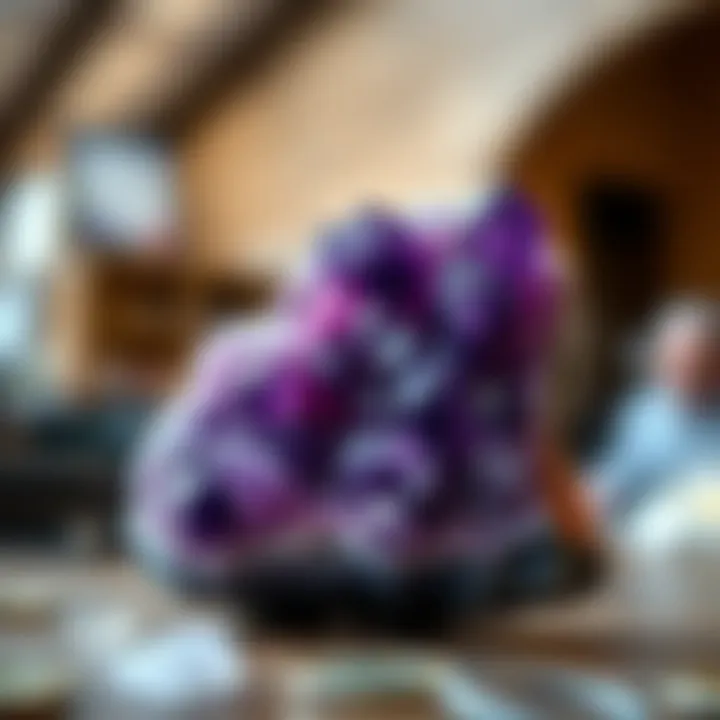
When you think of rocks, perhaps shades of gray and dusty browns come to mind. But have you ever stopped to consider the mesmerizing world of purple rocks? Their stunning hues and unique properties offer much more than just beauty; they hold secrets of the Earth's geological processes and have rich histories tied to our cultures. In this guide, we will peel back the layers of purple stones, revealing not only their origins and forms, but also their significance in both scientific communities and as collectible treasures.
Welcome to a journey through a less-explored side of geology, one that highlights the charm and complexity of purple rocks. From amethyst to lavender jade, this article will take you through an engaging exploration tailored for rock and fossil collectors, enthusiasts, and anyone curious about the natural world.
Let's embark on this colorful adventure, starting with a look into the past where these fascinating rocks began their long geological journey.
History and Origins
The story of purple rocks is as colorful as the hues they display. Each type has its own origin story and significance, and understanding these elements adds to their allure.
Overview of Collectibles, Rocks, and Fossils
Many collectors have a penchant for amethyst, a violet variation of quartz highly sought after for its beauty and purported healing properties. But there is more to purple rocks than just amethyst; other notable examples include fluorite, with its vibrant purple bands, and the exquisite purpurite. These stones have been collected for millennia, often treasured by various cultures for their beauty and believed powers.
Consider the journey of amethyst—it has been utilized since ancient times, worn by royals and used in ceremonial objects. Collecting began as a hobby, quickly evolving into a serious pursuit for many, with markets and exhibitions sprouting across the globe. From local gem shows to international fairs, these purple gems have captured many hearts.
Historical Significance and Cultural Impact
In ancient Egypt, purple stones were associated with royalty and the divine. The Egyptians believed that wearing amethyst could prevent intoxication, while the Greeks regarded it as a stone symbolizing clarity and calmness. Even into modern times, purple shades have often been linked to nobility and power, leading to their steady demand in jewelry and decoration.
It's noteworthy how cultures have perceived these rocks. While some civilizations valued amethyst for its beauty, others used it as a tool for meditation and spiritual clarity. As you dig deeper into the history of purple rocks, you uncover not only geological data but also a reflective glimpse of how humanity has engaged with nature through time.
"In a world where each stone tells a story, purple rocks offer a narrative of beauty, power, and cultural significance that spans across centuries."
Identification and Classification
Identifying and classifying purple rocks can sometimes feel like deciphering a secret code, especially for those just stepping into the collecting world. This section serves as a guide to help enthusiasts distinguish various types and understand what makes each unique.
Guide to Identifying Rocks and Fossils
When trying to identify purple rocks, consider a few fundamental characteristics:
- Color Variations: The depth of the purple hue can vary widely. Some stones may show hints of blue or red, affecting their overall appearance.
- Hardness: Utilizing the Mohs scale of mineral hardness can help in identification. For example, amethyst ranks at a 7, making it quite durable.
- Luster: This refers to how light interacts with the surface. Stones like fluorite often have a glassy luster, while others may be dull.
- Crystal Structure: Examining the internal arrangement of the crystals provides clues. Amethyst, for instance, forms a hexagonal structure.
Common Types and Variations
There are several common types of purple rocks and minerals worth recognizing:
- Amethyst: The most recognized, this quartz variety is prized for its beautiful deep purple color.
- Fluorite: Known for its vibrant cubic crystals, often displaying multiple colors including purple shades.
- Lepidolite: A lithium-rich mica that often shows a lovely lavender hue, popular in metaphysical circles.
- Purple Jade: Sought after in jewelry making, it carries cultural significance in various Asian societies.
Familiarizing yourself with these characteristics not only enhances your collection but also enriches the stories each stone holds. As you venture further into the realm of purple rocks, you’ll find that every stone has a tale that adds layers to your understanding of geology and history.
Intro to Purple Rocks and Their Significance
Purple rocks have long fascinated collectors, geologists, and the general public alike. Their vibrant hues can be attributed to a spectrum of mineralogical factors, making them not just visually stunning but also scientifically significant. Understanding the importance of purple rocks goes beyond an appreciation for beauty; it opens a window into Earth's geological processes, historical contexts, and their cultural implications.
Purple rocks, in their various forms, serve as indicators of environmental conditions during their formation. They crystallize under specific pressures and temperatures, telling a story of the Earth's evolution. For instance, the presence of transition metals, such as manganese or iron, often imparts a purplish tint to minerals like amethyst. This relationship captivates those interested in geology, as it provides insights into the ancient settings where these rocks formed.
Beyond their geological aspects, purple rocks hold significant cultural meaning. Throughout history, they have been linked to luxury and spirituality. Ancient civilizations considered amethyst a symbol of wealth and protection, while today’s collectors find value in both its charm and its rarity.
Moreover, the allure of purple stones extends to their industrial uses. Materials such as fluorite are not merely for display but have crucial applications, including the manufacture of helmets and lenses. This blend of aesthetic appeal and practical use enhances their significance in our lives.
Collecting purple rocks presents both a joy and an opportunity to learn. By diving into this topic, enthusiasts can appreciate not just the beauty of their collections but can also develop a deeper understanding of the processes that created them.
"The world of purple rocks is a tapestry woven from elements, history, and significance; each piece showcases nature's artistry and story."
The Geological Origins of Purple Rocks
Understanding the geological origins of purple rocks is crucial to grasping their immense diversity and appeal. These formations not only exhibit striking hues but also carry stories of the Earth’s dynamic processes. The study of their origins reveals not just how they came to be, but also the conditions under which they were formed. This knowledge is essential for collectors, hobbyists, and professionals alike, as it allows for a deeper appreciation and informed handling of these geological specimens.
Formation Processes
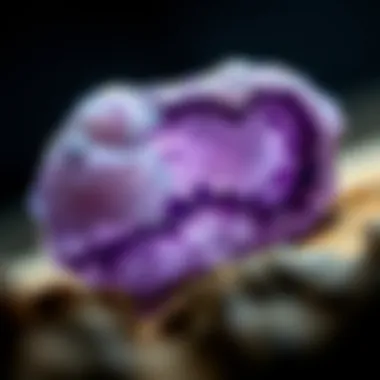
The formation of purple rocks is a tale woven through the layers of Earth's history. Many of these fascinating specimens originate from geological phenomena such as volcanic activity, sedimentation, or metamorphism. For instance, amethyst, a cherished variety of quartz, forms when silica-rich solutions seep into cavities in volcanic rocks under specific temperature and pressure conditions.
In simpler terms, think of it as the Earth baking a cake. Just as the right ingredients and the correct oven temperature produce a delicious dessert, certain minerals in specific environments create purple rocks. Over millions of years, the slow crystallization process allows these minerals to align and take on their vivid colors. This careful and patient process often results in the beautiful crystals that collectors prize today.
"The beauty of purple rocks is as multifaceted as their formation, echoing the Earth's miraculous ability to change and adapt."
Influence of Mineral Composition
The real magic behind the vivid purple hues in many rocks lies in their mineral composition. Different minerals respond uniquely to environmental conditions, which can lead to a spectrum of colors. For instance, iron and manganese may provide the vibrant purple in fluorite, while the presence of trace elements during crystallization can also influence the final hue.
Let’s break it down:
- Amethyst: Primarily composed of silicon dioxide, its purple shade is from iron impurities.
- Iolite: Rich in magnesium, this gem exhibits a unique color change due to pleochroism, appearing almost blue in some lights and purple in others.
- Sugilite: This rare mineral contains lithium, giving it a beautiful deep purple, often associated with spiritual significance.
Environmental Factors Contributing to Color
Environmental conditions play a pivotal role in how purple rocks achieve their distinctive colors. Temperature, pressure, and even the surrounding water chemistry at the time of formation can make all the difference. For example, during metamorphic processes, the heat and pressure can alter mineral structures, resulting in a purple hue as the minerals shift and grow.
Additionally, environmental factors such as the geological timeline can greatly affect the outcome. Rocks that form in volcanic areas might display different shades when compared to those forming in sedimentary basins or metamorphic regions. It's a fascinating jigsaw puzzle of natural forces at the ready!
Classifying Types of Purple Rocks
Classifying purple rocks is essential for understanding the wide-ranging diversity found within this captivating color spectrum. Each type of purple rock has its own characteristics, uses, and geological origins that contribute to both its aesthetic appeal and cultural significance. This classification not only aids collectors in identification but also informs scientists and enthusiasts about the environmental conditions that shape these geological marvels. Knowing where each type falls in the classification ladder helps unlock insights into their formation processes and potential applications.
Amethyst: The Most Recognized Purple Gemstone
Properties and Characteristics
Amethyst, a variety of quartz, is famous for its elegant purple hue, which can range from light lavender to deep violet. This gemstone exhibits a glassy luster and is often transparent, making it stand out in both nature and jewelry. One key characteristic of amethyst is its ability to exhibit color zoning, where different hues can be present in one stone. Such a feature makes identifying high-quality specimens crucial for collectors.
When discussing properties, it's worth mentioning that amethyst holds a hardness of 7 on the Mohs scale, which promises durability. However, care should be taken as prolonged exposure to sunlight may lead to fading of its brilliant color.
Cultural Significance
Amethyst has long held a central place in various cultures around the globe. In ancient Egypt, it symbolized protection and warded off evil spirits. The Greeks believed amethyst could prevent intoxication, leading to its use in drinking vessels. Furthermore, in Christianity, amethyst is associated with spirituality and is often seen in ecclesiastical jewelry. Such rich historical ties enhance its appeal and give it a deeper significance beyond mere aesthetic value.
Caring for Amethyst
Taking care of amethyst requires a delicate approach. Regular cleaning can be done with mild soapy water and a soft cloth. It's crucial to avoid harsh chemicals, as these can tarnish the surface. Storing amethyst away from direct sunlight helps maintain its vibrant color over time. Proper care not only prolongs the life of the gemstone but also preserves its beauty, making it more valuable to collectors.
Fluorite: Color Varieties and Uses
Distinct Features
Fluorite stands out for its unique range of colors that can include purple, green, yellow, and even colorless varieties. The purple hues can be particularly striking, sometimes displaying a deep, rich color similar to amethyst but with a distinct clarity. One key feature is its cleavage property; fluorite has perfect octahedral cleavage, which means it can break in clean planes, often creating beautiful geometrical shapes that are fascinating to collectors.
While the aesthetic qualities of fluorite are notable, its relatively low hardness of 4 on the Mohs scale makes it less suitable for everyday jewelry. However, its visual appeal makes it great for collectors, who often appreciate the intricate formations that natural fluorite crystals can take.
Industrial Applications
Interestingly, fluorite is not just a jewel of beauty. It has significant uses in various industries. Known as flux in metallurgical processes, it enhances the melting of ores, thereby making it crucial in steel manufacturing. Additionally, fluorescent materials made from fluorite are used in lamps and optical instruments. This utility emphasizes the rock's role beyond decoration and brings attention to its economic importance.
Iolite: The Violet Gemstone
Visual Appeal
Iolite is highly valued for its eye-catching color, which can appear as bluish-purple, lilac, or sometimes even gray, depending on the angle of light. This phenomenon, called pleochroism, makes iolite particularly interesting for jewelers and gemstone enthusiasts alike. The deep, captivating color contrasts dramatically with lighter bases, creating stunning pieces of jewelry that often catch the eye. The way in which light interacts with iolite is a critical aspect that highlights its uniqueness, ensuring collectors see it as a gem worthy of appreciation.
Historical Context
Historically, iolite is known as “the voyager’s stone.” Ancient mariners would reportedly use it to locate the sun on overcast days. The stone has also been linked to the Vikings, who believed it could help them navigate uncharted seas. This historical significance enhances its allure and speaks to the essential role iolite played in human exploration and navigation.
Market Value
When it comes to market valuation, iolite is relatively more affordable compared to more popular gemstones like sapphire or amethyst. This accessibility, combined with its fascinating color and historical context, makes it an appealing choice for both new and seasoned collectors. However, its relative scarcity in high-quality form may lead to fluctuations in price, making it a wise but cautious investment for collectors in the long run.
Sugilite: A Rare and Meaningful Stone
Metaphysical Properties
Sugilite is often regarded as a stone of spiritual growth and transformation. Many claim that it fosters self-love and deep emotional healing, promoting positive energy in its users. Its vibrant purples, often mixed with striking patterns of black, make it not only a beautiful stone but also one with supposed metaphysical properties that capture the interest of new age enthusiasts and collectors alike. Thus, its significance stretches beyond mere aesthetics into the realms of metaphysical practices.
Collecting Sugilite
Given its rarity, collecting sugilite can be quite unique. It’s often found in limited quantities, leading to a niche but passionate market. Collectors may find it challenging to source quality pieces, which increases both its perceived and actual value. Understanding where to find reliable dealers or sources is crucial to anyone looking to cultivate a collection of this rare stone, as well as being well-informed about potential imitations and counterfeits.
Purple Quartz: Variations and Significance
Identifying Purple Quartz
Identifying purple quartz can be a nuanced process, especially when differentiating it from similar-looking minerals. Observing the crystal structure, color intensity, and the presence of inclusions can help in accurately classifying specimens. One key note is that genuine purple quartz should display a consistent hue throughout, without areas of inconsistent coloration. Such criteria are essential for anyone hoping to ensure the integrity of their collection.
Uses in Jewelry
Purple quartz is extensively used in the jewelry industry due to its affordability and versatility. It can be cut into various shapes and sizes, making it suitable for all kinds of jewelry, from rings to pendants. Its relatively hard structure allows it to withstand daily wear while still providing a captivating visual appeal. Although it may not carry the same prestige as amethyst, purple quartz's affordability and appearance make it a popular choice for both jewelers and consumers alike.
Exploring Lesser-Known Purple Rocks
When one thinks of purple rocks, names like amethyst often come to mind. Yet, there exists a vibrant array of lesser-known purple stones that deserve the spotlight. These unique specimens not only add diversity to any collection, but they also carry their own stories, properties, and significance. Understanding these lesser-known purple rocks can enrich a collector’s journey and deepen appreciation for the vast tapestry of geology. From their distinctive characteristics to their rare beauty, let’s delve into these hidden gems.
Purple Chalcedony: An Overview
Purple chalcedony is one of those subtle beauties that often goes unnoticed. This opaque stone is actually a form of silica, presenting a gentle purple hue. Its color varies from light lavender to dark violet, often showcasing a banding pattern reminiscent of waves rolling gently across a shore.
Chalcedony is known for its smooth texture and is often used in jewelry. Unlike more prominent stones, its simplicity can be quite appealing, especially when set against silver or gold settings. Collectors might appreciate purple chalcedony for its calming properties, often associated with promoting peace and emotional balance.
Purple Jasper: Characteristics and Variants
Purple jasper is intriguing due to its earthy tones mixed with striking purples. This variety of jasper can present unique patterns and textures, making each piece a one-of-a-kind treasure. Its appearance varies widely; some stones have mottled patterns, while others are more uniform in color.
One key variant, known as “Sardonyx Jasper,” features intricate bands of color that can create stunning visual effects. These pieces often become focal points in jewelry or decorative items. Beyond aesthetics, purple jasper is also thought to hold grounding properties, making it an appealing choice for those interested in metaphysical attributes.
Lavender Jade: Understanding Its Value
Lavender jade, sometimes referred to as "lilac jade," is a lesser-known variety of jade that has garnered attention in recent years. Its delicate pastel hue can be captivating, ranging from soft lavender to deeper purple shades. However, what sets lavender jade apart is its perceived rarity and the cultural significance it has in various societies.
Traditionally, jade has been known for its spiritual significance. In many cultures, it’s believed to bring harmony, serenity, and balance to one’s life. The rarity of lavender jade, compared to its green counterpart, can increase its value among collectors. As with all gems, ensuring authentic pieces in a collection is vital; thus, testing for authenticity is recommended before making any purchases.
"Lesser-known purple rocks offer collectors not just beauty but history and metaphysical value. Understanding them means unlocking a layer of nature’s secrets."
As you explore these lesser-known purple varieties, you’ll find they enrich your collection with their unique stories and characteristics. Investing time in understanding their attributes will enhance not only the aesthetic appeal but also the emotional and historical significance they bring to the table.
The Role of Purple Rocks in Culture and Society
Understanding the role of purple rocks in culture and society helps unveil their significance beyond mere geological features. These vibrant stones carry a wealth of history, tradition, and meaning across various societies. Their rich hues do not only captivate the eye but also inspire values and interpretations that often transcend time and place. This section will delve into the historical context, modern applications, and the symbolic weight these minerals carry in diverse cultures.
Historical Significance and Myths
From ancient civilizations to modern times, purple rocks have sparked the imagination and have often been attributed with mystical properties. Historically, the rarity of these gems made them symbols of wealth and power. For instance, Amethyst, with its deep violet color, was considered a stone of royalty. The ancient Greeks believed it could ward off intoxication, which led to its use among nobility during their celebrations.
In many Native American traditions, purple stones held especial spiritual value. They were often incorporated into ceremonies as powerful tools for healing or protection. Some tribes believed that carrying a piece of Purple Jasper could enhance intuition and connection to the Earth.
"Throughout history, purple stones embodied not just beauty but carried a legacy interwoven with cultural belief systems."
Modern Uses in Art and Jewelry
Today, the allure of purple rocks persists not only in traditional settings but also in the modern world of art and jewelry. Artisans frequently utilize these stones to create bespoke pieces that stand out for their color and significance. Designers often choose Iolite or Sugilite for their unique shades, aiming to evoke emotions through their work.
In jewelry, the use of purple stones has become a statement against the backdrop of a monotonous gemstones market. People are drawn to items that speak to their individuality and taste, such as Amethyst earrings or Fluorite pendants. These pieces can carry stories or make bold assertions about style and self-identity, appealing to a wide audience in the jewelry market.
Benefits of Incorporating Purple Rocks in Art:
- Aesthetic Appeal: Their vibrant hues add a striking element to any piece.
- Symbolic Significance: They can provide personal meaning to the wearer or observer.
- Durability: Many purple stones are robust, making them practical for daily wear.
Symbolism in Various Cultures
Purple rocks are often rich in symbolic meaning, reflecting the values and beliefs of various cultures. In Eastern societies, the color purple is frequently associated with spirituality and enlightenment. Amethyst, for example, is revered in Buddhism for its purported ability to open the third eye and foster meditation.
Conversely, in Western cultures, purple has often symbolized luxury and exclusivity but is also connected to a sense of creativity and imagination. The unique colors of these gems can evoke different feelings or aspirations among individuals. For instance, Lavender Jade is considered to bring harmony and peace, making it a popular choice among collectors and practitioners of rituals aiming for mental well-being.


Finale on Cultural Relevance
In summary, purple rocks are far more than beautiful geological specimens; they serve as cultural touchstones that reflect human experience across different epochs. By examining their historical significance, modern applications in art and jewelry, and symbolic meanings, we can appreciate how these stones enrich our world. Their multifaceted nature allows them to bridge the gap between nature and human expression, making them a significant contributor to our cultural landscape.
For those interested in exploring more about the cultural relevance of these stones, you can visit related sources such as Britannica.
Identifying Purple Rocks: A Collector’s Guide
For anyone who has ever marveled at the deep, rich colors of purple rocks, knowing how to identify these specimens can seem daunting. However, this guide highlights the importance of being able to accurately distinguish between various types of purple rocks, from well-known gemstones to lesser-known varieties. Proper identification not only enhances your appreciation but also helps in ensuring authenticity, which is crucial for collectors.
The art of identifying these colorful rocks comes down to understanding their physical characteristics and knowing the testing methods available for authentic specimens. Whether you’re an avid collector or a casual enthusiast, knowing the traits that set these purple rocks apart will elevate your experience with them.
Physical Characteristics to Observe
When it comes to identifying purple rocks, certain physical characteristics can serve as initial indicators of what you might have in hand. Consider these aspects:
- Color Shade: Purple rocks vary widely in color from soft lilac to deep violet. Look closely at the intensity of the color, as this can indicate specific types.
- Transparency: Some purple minerals, like amethyst, can be transparent or translucent, while others, such as purple jade, are typically opaque. Understanding these differences is key.
- Texture and Patterns: Fascinating textures and patterns can appear within purple rocks. For example, fluorite may show banding or zoning, while jasper might have unique, swirling designs.
- Hardness: The Mohs hardness scale is useful here. A scratch test can help distinguish between minerals, as amethyst scores a 7 while softer stones will scratch more easily.
- Crystallization: Observing the crystallization could be a giveaway; certain rocks have more identifiable geometrical structures, like the hexagonal shape of quartz.
By noting these characteristics, collectors can make more informed decisions about their pieces, ensuring that they understand both the aesthetic and geological significance of what they own.
Testing Methods for Authenticity
With the rise of imitations and lookalikes, testing for authenticity is integral in the world of rock collecting. Here are methods that can be employed to verify your purple gems:
- Visual Inspection: Begin with a close examination to check for any signs of synthetic production or alteration. An authentic rock will often have natural imperfections, while imitations might appear too perfect.
- Refractive Index Test: The refractive index, a measurement of how light bends as it passes through a mineral, can help differentiate genuine stones from fakes. Use a refractometer for precise results.
- Hardness Test: Using the Mohs scale, perform a hardness test. If the stone scratches at a lower hardness than expected, it may not be genuine.
- Specific Gravity Test: This involves taking precise weight measurements in air and water. Authentic purple rocks will have a specific gravity that correlates with known averages for that mineral.
- Advanced Techniques: For those with access, spectroscopic analysis can provide insights about the internal structure of the stone, helping to confirm its authenticity.
Exploring different testing methods not only enhances your understanding but also builds confidence in your collection.
By mastering these techniques, collectors expand their proficiency in identifying purple rocks and bolstering the integrity of their collections. The journey becomes about more than mere possession; it transforms into an expedition of knowledge and discovery.
Caring for and Maintaining Your Collection of Purple Rocks
Caring for your purple rock collection is a crucial part of enjoying and preserving these stunning geological specimens. Whether you have amethyst or purple jasper, each piece carries unique characteristics and significance that deserve attention. Proper care not only enhances their visual appeal but also ensures they retain their value over time. Neglect can lead to scratches, fading, or damage that diminishes their beauty and marketability. Thus, establishing thoughtful care routines becomes not just beneficial but essential for any serious collector.
Cleaning Techniques
When it comes to cleaning purple rocks, the techniques can vary significantly depending on the type of stone. Some stones are porous and particularly sensitive to harsh chemicals, while others require different care methods to maintain their shine. Here are some techniques to consider:
- Gentle Soap Wash: For many purple rocks, a simple solution of warm water and a few drops of mild dish soap is effective. Use a soft microfiber cloth to gently wipe the surface, avoiding any abrasive materials that might scratch the stone.
- Natural Cleaners: Baking soda mixed with water into a paste can help remove grime from rough surfaces. Apply it with a soft brush, letting it sit for a tiny bit before rinsing it off.
- Avoiding Chemicals: It’s a good idea to steer clear of ammonia or acidic cleaners. Such substances can strip away protective coatings or erode the stone’s surface, leading to irreversible damage.
- Heat and Sunlight: Keep your rocks out of direct sunlight for long periods. This can lead to fading, especially in stones like amethyst, which can lose their vibrant color with prolonged exposure.
"A little care goes a long way in preserving the allure of purple rocks."
Being cautious about the materials you use can safeguard your collection against unnecessary wear.
Storage Best Practices
Once your purple rocks are clean, proper storage is equally important to ensure they remain in pristine condition. The way you store your collection can drastically impact its longevity. Here are a few best practices:
- Use Soft Pouches or Boxes: Storing each piece in a soft pouch or a dedicated jewelry box with dividers prevents them from scratching against one another. Avoid using hard plastic until you're sure it won't cause scratching.
- Stable Environment: Aim to keep the storage area free from fluctuations in temperature and humidity. Too much moisture can promote mold growth, while extreme heat might damage sensitive stones.
- Display Considerations: If you decide to display your collection, consider using UV-protected glass cases that limit exposure to sunlight. This not only adds elegance to your space but also shields your purple rocks from harmful rays.
- Regular Check-ups: Periodically inspect your collection for signs of damage, dirt buildup, or discoloration. Early detection is key to addressing any issues before they escalate.
- Labeling: If you have a large collection, proper labeling helps keep track of the individual pieces, their origins, and care needs. Record keeping can facilitate future sales or trades and provide context for each specimen.
Taking the time to develop a systematic approach to cleaning and storage will ensure that your purple rock collection remains a source of pride and interest for years to come.
In summary, both cleaning and storage play pivotal roles in maintaining the vibrancy and longevity of purple rocks. By adopting a tailored routine for each type of specimen, collectors can preserve these treasures and appreciate their beauty for the foreseeable future.
Culmination: The Lasting Allure of Purple Rocks
As we wrap up this exploration into the fascinating world of purple rocks, it's clear that their allure is woven into both their stunning aesthetics and profound geological significance. Purple rocks possess a unique charm that captivates not just collectors but also casual admirers of nature’s beauty. Their intriguing hues, stemming from specific mineral compositions and environmental conditions, mark them as sought-after specimens in geology and gemology alike.
The importance of understanding these geological treasures goes beyond mere appreciation. For collectors, each type of purple rock comes with its own set of characteristics, complexities, and history. From the well-known amethyst to the rare sugilite, these stones have stories that tie them deeply to our planet's history and cultural heritage. Knowing how to identify and care for these gems enhances one’s collection and enriches the collector's journey.
Beyond aesthetics and collecting, purple rocks also hold metabolic value in several industries. For instance, fluorite is leveraged extensively in the manufacturing processes, while the beauty of amethyst rocks garners attention in the high-end jewelry market. This versatility adds another layer to the fascination surrounding purple rocks.
The appreciation for purple rocks doesn't merely stem from their physical properties or where they come from. It’s also about the symbolism and meanings embedded within different cultures, adding depth to their narrative. For many, these rocks are enduring symbols of spirituality, clarity, and inner peace, resonating with those who cherish their metaphysical properties.
In summary, the lasting allure of purple rocks lies in their intricate blend of beauty, geological significance, and cultural resonance. Embracing these aspects does not just cultivate a deeper understanding but also strengthens the bond between collectors and their beloved specimens. As the sun sets behind the mountains, casting a purple hue across rugged terrains, remember this: purple rocks are not merely decorative elements. They are the chronicles of Earth, waiting for someone to pause, observe, and appreciate their stories.
"Each purple rock is like a page in the Earth’s diary, holding secrets of time and evolution. As collectors, we are to preserve and cherish these natural narratives."
For further reading on geology and rock collecting, consider exploring these resources:
- Wikipedia on Amethyst
- Britannica on Fluorite
- Collecting Gemstones Discussion on Reddit
- Mineral Education Resources
- National Park Service Minerals
As interest in geology continues to grow, so does the appreciation for these unique geological specimens. Whether you're a seasoned collector or just beginning your journey, purple rocks hold unlimited potential for discovery and connection.