Discover the Joy of Cracking Open Your Own Geode
Intro
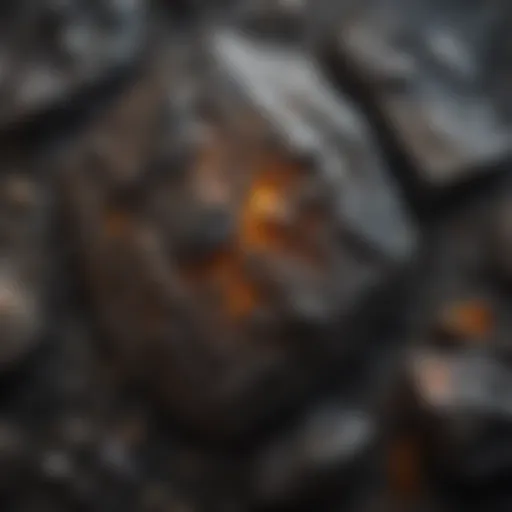
Cracking open your own geode is more than just a hobby; it’s an adventure that connects you to the Earth’s artistic side. Within the unassuming rock lies a hidden world of crystals, each with its own unique story and beauty. This guide is crafted for both the rookie rockhound just stepping into the realm of geodes and the seasoned collector looking to refine their techniques. Here, we'll explore not just the joy of the hunt but the intricacies of the process, the tools you’ll need, and some ecological considerations to keep in mind. The allure of geodes belongs to a shared experience—where donning safety glasses and wielding a hammer becomes a rite of passage.
History and Origins
To appreciate the thrill of cracking open a geode, we must turn back the clock. The formation of geodes stretches through millions of years, marked by geological processes that make our planet a treasure trove of wonders. Their origins often date back to volcanic and sedimentary environments where minerals precipitate from hydrothermal fluids, leaving us with the marvels we admire today.
Overview of Collectibles, Rocks, and Fossils
In the grand tapestry of collectibles, rocks and fossils occupy a unique niche. Geodes, in particular, are prized not merely for their aesthetics but for their scientific value. Throughout history, various civilizations have valued these geological curiosities. The ancient Greeks were fascinated, regarding crystals as embodiments of divine inspiration, while cultures across the ages have revered certain stones for their supposed healing properties.
Historical Significance and Cultural Impact
The significance of geodes transcends mere collection. They symbolize the interconnectedness of nature and humanity. Collectors and geologists alike have poured over these artifacts, unlocking secrets about the Earth’s formation and environmental conditions of eras long past. The fascination isn’t just academic; it’s deeply cultural, often connecting individuals to communal traditions of exploration and respect for nature.
"Rock collecting is more than just a pastime; it's a doorway into Earth's history, inviting stories of creation and the passage of time."
Identification and Classification
Knowing what you’re looking for sets the stage for an unforgettable geode-cracking experience. Before you pick up that hammer, let’s delve into identifying the different varieties of geodes and the rocks that might house them.
Guide to Identifying Rocks and Fossils
Recognizing what constitutes a geode is crucial. A genuine geode has a hollow center lined with crystals. They are generally round or oval, and can be identified by their distinctive exterior—often a rough, crusty surface. When you spot one on the ground, take a moment to inspect it.
Common Types and Variations
Here’s a look at some common geode types:
- Amethyst Geodes: Renowned for their striking purple crystals, these are perhaps the most sought-after among collectors.
- Calcite Geodes: Often exhibit stunning patterns and crystals, showcasing different colors and formations.
- Citrine Geodes: Less common but cherished for their yellow hues, believed to carry positive energy.
- Agate Geodes: Known for their bands of color, they can reveal stunning interior displays when cracked open.
Ingredients of joy await those who venture into geode exploration. This unique journey of discovery offers a blend of history, nature, and the thrill of anticipation as one prepares to unlock the hidden beauty inside. The knowledge shared in these pages will prepare you to appreciate every facet of this ancient art, leading to an enriched experience with every crack of the hammer.
Preface to Geodes
Geodes are not just simple stones; they are little treasure chests of nature, often holding beautiful crystals inside. Understanding geodes is vital for anyone keen on geode exploration, as they can provide significant insights into geology and the earth's history. This article aims to guide both novices and seasoned enthusiasts through the fascinating journey of cracking open these formations. By exploring their definition, formation processes, and distinguishing features, readers can delve into the very essence of geodes.
Being aware of the characteristics and formation processes of geodes can greatly enhance one's experience when seeking them out. It offers an appreciation for the complexity hidden within these ordinary-looking rocks. Understanding where to find geodes and how they are made can save time and effort, giving collectors the upper hand when out exploring.
As you journey through this guide, you'll find that every layer of knowledge will enrich your appreciation for these natural wonders. Geodes encapsulate not just minerals, but they also encapsulate stories of our planet’s geological past.
Definition of Geodes
At their core, geodes are spherical or oval-shaped rock formations hollowed out to hold crystals or other minerals inside. These outer shells can be particularly unassuming, often resembling an ordinary rock. A geode's fascinating aspect is that the exterior often doesn't hint at the breathtaking interior, where quartz, calcite, or other minerals might reside. Once you crack them open, the reveal can range from delicate crystalline structures to strikingly vibrant colors, making each geode unique.
Formation Process
Mineral deposits
One of the fundamental ways geodes form is through the slow accumulation of mineral deposits over centuries. These essentially start when mineral-rich water seeps into cavities in the rock. As the water evaporates or cools, minerals begin to crystallize on the walls of the cavity. A key characteristic of mineral deposits is that they can be composed of various minerals, like quartz or calcite, and the resulting formations can be spectacularly diverse. For rock collectors, this variability offers a treasure trove of unique specimens. However, the challenge lies in knowing which geological formations are likely to yield geodes, as not all areas are formed equally.
Hydrothermal processes
Another fascinating method of geode formation is through hydrothermal processes, where heated, mineral-laden water circulates through existing rock formations. The high temperature and pressure conditions cause minerals to precipitate and crystallize. This is significant because it often leads to the formation of larger and more intricate crystals inside the geodes. A notable characteristic of hydrothermal processes is the potential for creating rich, colorful interiors, making this method appealing to collectors. Yet, while these types may yield some stunning crystals, they are not found just anywhere, requiring specific geological conditions.
Volcanic activity
Volcanic activity is another contributor to the geode formation process. As lava cools, gas bubbles created during eruptions can lead to cavities within the solidified rock. Over time, these voids can become geode-like structures. A striking feature of geodes formed through volcanic activity is the presence of unique mineral combinations that arise from the molten rock, often resulting in varied colors and textures. This type of formation can showcase the raw power of geological forces, adding another layer of fascination for collectors. However, these geodes can be rarer and potentially harder to find, demanding effort and patience.
Understanding these formation processes offers an enriching layer to the experience of cracking open geodes, as each method provides a distinct narrative that speaks to the Earth's dynamic history.
Understanding Geode Characteristics
The study of geode characteristics is a journey into the fascinating world of these natural treasures. It's essential to understand both the exterior and interior elements of geodes to fully appreciate their unique charm. Knowing what to look for when you crack open a geode not only enhances the experience but also provides insight into geology itself. Awareness of these characteristics helps enthusiasts and collectors discern the vast diversity present in geodes.
Exterior Features
Rock Types
The skeleton of any geode starts with its rock type; this is the outer shell that encases the remarkable interior. Common exterior rock types include limestone, basalt, and volcanic tuff. Each type yields different visual qualities, indicating the geode’s origin and the processes it underwent over time. For instance, limestone geodes often have a smoother exterior compared to the rough and rugged look of basalt geodes.
What makes limestone geodes popular is their widespread availability and ease of cracking. They tend to be softer compared to other types, making them accessible for beginners. However, this also means that they might not always contain the most impressive crystal formations inside. On the flip side, basalt geodes can be a tougher nut to crack but often surprise with stunning quartz or agate crystals hidden within.
Color Variations
When examining geodes, color variations on the exterior also spark curiosity. They can range from earthy browns and grays to more vibrant greens and yellows. The color often reflects the minerals present in the stone and the surrounding environment during formation.
This characteristic is not just for show; it can aid in identification and provide clues to the geological history of the area. For example, vibrant yellows might signal the presence of iron compounds, while deep reds can indicate elements like iron oxide. For collectors, the aesthetic element plays a key role, as some color combinations can make a geode particularly desirable.
Interior Wonders
Crystal Types
Once a geode is cracked open, the interior reveals its true magic through various crystal types. Common crystal types include quartz, amethyst, and calcite, each offering distinct visual and tactile experiences. Amethyst crystals, with their rich purple hue, add a level of luxury and appeal that many collectors seek out. Their sharp beauty is unmatched, making them desirable among gem enthusiasts.
The importance of recognizing crystal types cannot be overstated. Different crystals may have varying values and uses in jewelry or decor. Moreover, understanding the kind of crystal inside can anchor one's appreciation for the geode and its specific geological story.
Color and Patterns
Finally, the magnificent world of color and patterns found within geodes serves as a visual feast. From radial bursts of color to intricate banding, these patterns tell a story of the geode’s formation. For instance, geodes with banded agate displays evoke a sense of wonder with their intricate designs, often resembling works of art. This complexity not only makes them appealing but also illustrates the unique conditions under which they formed.
Distinct patterns and colors also help collectors understand how geodes were formed. For example, the layering seen in some agate forms suggests a slow deposition of minerals over time, offering a glimpse into the geological processes at play.
Geode enthusiasts should be conscious that while beauty draws you in, it’s the story behind each geode that enriches the experience of cracking them open.
"Each geode is a little window into the earth's history, a story patiently waiting to be uncovered."
Exploring geode characteristics not only enriches your collection but enhances the thrill of discovering the wonders lying just beneath the surface.
Essential Tools for Cracking Geodes
When embarking on the fascinating adventure of cracking open geodes, having the right tools is paramount. These tools ensure not only the success of your endeavor but also maintain safety throughout the process. Each piece of equipment plays a distinct role, making the whole experience more enjoyable and fruitful. Knowing what to carry along can make all the difference between a smooth operation and a frustrating one.
Safety Gear
Goggles
Goggles serve as a critical first line of defense against flying debris. When you bring down a hammer onto a geode, tiny shards can break off and fly unexpectedly. It’s essential to have a sturdy pair that fits well to shield your eyes from potential harm. A good choice for this activity is goggles with side shields, which offer extra protection from sideways flying elements. While they might feel bulky at times, they greatly reduce the risk of penetrating injuries, allowing you to focus solely on the cracking process.
Gloves
Proper Gloves are vital for protecting your hands. Given that a geode can have sharp edges, it’s smart to use durable, cut-resistant gloves. This not only guards against cuts but provides a better grip on deeper cracks. Some gloves also come padded, which helps absorb vibrations while you hammer away. When selecting a pair, opt for those that offer a balance between flexibility and sturdiness—this way, you can maintain dexterity for handling smaller tools while still being protected.
Protective clothing
Having the right Protective clothing adds another layer of security during your geode cracking activity. Think about wearing long sleeves and durable pants. Materials that resist tears can be particularly beneficial since, in a flurry of excitement, it's easy to snag or scrape against rough geode exteriors. Heavy-duty clothing not only protects your skin but keeps you comfortable as you dig into your work, no matter how rigorous it may get. Plus, you can leave the day with the grime and grunge of rock exploration as a badge of honor.
Cutting Tools
Geode cracker
The Geode cracker is perhaps the most straightforward option for those wanting a safe and efficient approach. With its specific design, it helps apply even pressure to the geode, minimizing the chance of accidents that can occur with hammers or chisels. Many users find these tools specifically made for this purpose to be a worthwhile investment, as they enhance the experience by reducing stress on both the individual and the geode itself. It’s an excellent option for beginners who might not yet feel comfortable handling more aggressive tools.
Hammer
A solid Hammer is an age-old tool in the toolkit of any rock collector. Different types can be utilized, but a geologist's hammer is often preferred due to its striking capabilities and added features. It’s versatile enough to handle soft rocks as well as tougher geodes. A major advantage is that these hammers can often be used for other geological jobs, making them a great multi-tool to have in your arsenal. However, using it safely requires care to avoid putting too much force and risking injury or damaging the geode unnecessarily.
Chisel
Utilizing a Chisel may not feel intuitive at first, but it can be an invaluable tool once you understand its mechanics. A chisel allows for more precise intervention while targeting specific fracture lines in the rock. It’s particularly effective in creating a clean opening without shattering the interior crystals. However, it does require a steady hand and some practice. A chisel, combined with a hammer, can open a world of exploration and discovery, bringing the beautiful interiors into your hands smoothly and safely.
Handling Equipment
Buckets
Buckets help streamline the process of collecting geodes. As you venture into fields or outcrops, you'll likely want to carry multiple specimens back home. A sturdy bucket can hold a fair amount of weight while being easy to handle. Options with handles offer convenience, making your travel easier. Having one ensures that you keep your finds organized and damage-free.
Tarps
A good Tarp serves as a versatile surface for working and inspecting your geodes. Not only does it provide a clean space to lay out your tools, but it also helps collect any debris that falls while you work. This can be increasingly helpful to minimize the mess and ensure all pieces are contained—because let’s face it, losing a beautiful crystal shard is no fun. Plus, tarps can act as a barrier against moisture, so your finds stay in good condition.
Brushes
Finally, Brushes are especially useful for cleaning off dirt and dust from the geode’s surface post-cracking. A simple soft-bristled brush can clear away mud without damaging delicate crystals. It’s an often-overlooked essential that helps in revealing the stunning details of the geode that may have been hidden away. Getting your tools right and understanding the essential roles they each play not only enhances the safety of the geode cracking experience but greatly enriches the joy of exploration.
Process of Cracking Open a Geode
Cracking open a geode is not just about the thrill of the reveal; it’s about the entire process leading up to that moment. From selecting the right geode to carefully executing the crack, every step holds significance. The process brings together the elements of anticipation, technique, and eventually, satisfaction when you finally uncover the hidden treasures within.
Properly understanding this process can greatly enhance the experience, allowing enthusiasts to appreciate their finds even more. Moreover, paying attention to the techniques can help in preserving the integrity of both the geode and its crystalline treasures. Let's explore this journey step-by-step.
Selecting Your Geode
Evaluating Size
When it comes to evaluating the size of a geode, you must consider several factors. Firstly, the size influences not only its weight but also the potential beauty inside. A larger geode may often promise more considerable crystal formations, making it a popular choice for collectors. However, bigger isn't always necessarily better; a smaller geode might contain spectacular surprises within its confines.
A good tip is to look for ones that feel substantial; a heavier geode usually means it's filled with crystals rather than just hollow space. In essence, the balance between size and presumed content could dictate your satisfaction when you make that cut.
Identifying Weight
Identifying the weight of a geode plays a crucial role in the selection process. Heavier geodes typically indicate thick wall structures that may harbor a significant amount of mineral deposits within. This characteristic is particularly appealing as it can suggest impressive crystal formations waiting to be unveiled. Conversely, a lighter specimen might lead to disappointment, possibly containing more void than treasure. Paying attention to the weight can thus provide invaluable hints about what may lie ahead once you crack it open.
Executing the Crack
Positioning the Geode
The positioning of your geode during the cracking process is key. Ideally, you want to place it on a stable surface, ensuring that it doesn’t shift unexpectedly. A steady foundation offers the needed control when applying force, reducing the risk of damaging the crystals within. The angle and stability of your setup contribute significantly to your success rate. Laying the geode on a thick towel can absorb shock and provide a cushion, which is especially effective in minimizing any uncontrolled movement.
Applying Force with a Hammer
When it comes to cracking open your geode, applying force with a hammer is a decisive step. This method, while might seem straightforward, requires the right technique: don’t bash it like you’re in a demolition derby. Instead, a well-placed strike at the right angle generally yields better results. It's a balancing act, where too much force can lead to shattering that ruins the geode's beauty, while too little may not yield any results at all. A few well-aimed, moderated strikes often work better than an aggressive approach.
Using a Chisel Technique
Utilizing a chisel can offer more control during the cracking process. Unlike the hammer technique, using a chisel allows for precision cuts, helping prevent unexpected breakage. This minimizes the chance of fracturing the crystals unevenly and can allow better access to the interior. The chisel technique can also save you from overzealous hammer swings, giving you a chance to carefully guide the crack where you want it to go.
Revealing the Interior
Cleaning the Crystals
Once you have successfully cracked open the geode, revealing the interior is just the beginning. Cleaning the crystals should be done with care; warm soapy water can help remove debris and dirt. Gentle brushes can get into nooks and crannies without damaging the fragile formations. This step is paramount for assessing the overall beauty and quality of your geode, showing off those sparkling gems that lay hidden.
Documenting Findings
Documenting your findings can enhance your overall experience. Taking notes or photos of the discovery can make the process more enriching. By keeping records, you can track size, shape, and color of the crystals, establishing a personal catalog of your collection. Additionally, sharing these records with other collectors or posting on platforms like Reddit can foster connections with others who share similar interests. Documenting not only satisfies your curiosity but contributes to the collective knowledge within the rock and fossil-collecting community.
Preserving Your Geode Discovery
Safeguarding your geode discoveries is not just a matter of aesthetics; it’s about cherishing the stories they tell and ensuring their integrity for years to come. Once these geological treasures are cracked open, the excitement can be overshadowed by the question of how to clean and store them properly. Collecting geodes might seem like a simple hobby, but preservation plays a key role in maintaining their beauty and value over time.
Cleaning Techniques
Water washing
Water washing is perhaps the most straightforward method to clean your geode after its unveiling. With this technique, you can easily remove dirt and clay that cling to the exterior, revealing the geological beauty beneath. Merely rinsing your geode under running water can often do the trick, ensuring that no harmful residues remain.
One of the appealing characteristics of water washing is its accessibility; it requires minimal tools—a simple hose or bucket. The benefit lays in its gentle nature, making it a safe choice for delicate crystals. However, you should be cautious with this method on particularly fragile specimens. If the crystals are too soft, water washing might cause damage. It’s wise to first test in a small area to avoid any missteps.
Ultrasonic cleaners
On the other hand, ultrasonic cleaners present a more advanced approach for homeowners looking to achieve deep cleaning. This method utilizes high-frequency sound waves to tackle grime that may be nestled in the crevices of your geode. It’s like giving your specimen a spa day.
The unique feature of ultrasonic cleaners lies in their ability to penetrate hard-to-reach areas without physical scrubbing, reducing the risk of scratching delicate surfaces. It’s a beneficial choice for collectors who wish to maintain the integrity of their crystals when dealing with stubborn dirt. However, careful consideration is needed regarding the type of geode or crystal being cleaned. Some might not hold up well to such intense cleaning methods, casting a shadow on the otherwise shining advantages.
Storage Recommendations
Display cases
Once you've cleaned your prized geode, the next step is finding the right way to display and protect it. Utilizing display cases can enhance the viewing experience while safeguarding against dust and physical damage. A well-crafted case keeps your geode secure, allowing you to showcase its beauty to fellow enthusiasts or curious visitors alike.
What’s particularly advantageous about display cases is the ability to choose from various styles—whether glass showcases or museum-style frames, each option adds character to your collection. However, remember that cases can be an investment, and they require space to house your specimens appropriately.
Handling precautions
Handling precautions cannot be overstated when it comes to preserving geodes. Each specimen may have its own structural vulnerabilities, and treating them with respect is essential. Wearing gloves when touching your geodes not only protects them from oils present on your skin but also reduces the risk of accidental drops or scratches.
Additionally, positioning your geodes on sturdy shelves or display areas limits the likelihood of unintentional bumps. A simple tip is to avoid stacking or overcrowding; each geode deserves its own space to shine without interfering with neighboring pieces. These handling protocols, though simple, are pivotal in extending the lifespan of your geological discoveries.
"The joy of a geode isn't just in finding it, but in caring for it. The way you choose to clean and display your specimens tells the story of your passion for exploration."
In summary, preserving your geode discovery encompasses cleaning methods and thoughtful storage strategies. Whether using water washing or ultrasonic cleaners, each technique has its unique merits that cater to various preferences. Likewise, the right display cases not only enhance the visual appeal but also safeguard against potential harm. Lastly, implementing careful handling practices will ensure your treasures remain in prime condition, ready to fascinate for generations to come.
Ecological Considerations
The thrill of cracking open geodes goes beyond simply enjoying the sparkly crystals inside. It also involves understanding the broader implications of our actions on the environment. When mishandled, the practice of collecting geodes can have unintended consequences. The significance of discussing ecological considerations lies in ensuring that enthusiasts engage in responsible practices. This aspect promotes sustainability and helps preserve the unique beauty of the natural world.
Impact of Collecting

Local ecosystems
When you think about local ecosystems, envision vibrant habitats where flora and fauna thrive harmoniously. Collecting geodes often impacts these delicate balances, particularly if done irresponsibly. The act of extracting geodes can disrupt not just the stones but also the habitats of various organisms.
The key characteristic of local ecosystems is their intricate interdependence; what many don't realize is that removing one piece can set off a chain reaction that affects multiple species. By taking rocks, enthusiasts may unknowingly alter water runoff patterns or destroy nesting sites for local wildlife. It's essential for collectors to consider this before forging ahead. Protecting these ecosystems isn’t just about preservation; it’s also about fostering a lifestyle that respects nature.
- Unique feature: The richness of these ecosystems means they often host rare and endangered species, making them crucial for biodiversity. Ensuring that collecting practices don’t threaten these areas is paramount for ecological balance.
- Advantages: With responsible practices, collectors can enjoy the hunt without jeopardizing the environment. It can also serve as an opportunity for education about the importance of preserving biodiversity.
- Disadvantages: Neglecting to heed the impact of collecting can lead to long-term damage to local habitats, and by extension, the planet's health.
Sustainable practices
Sustainable practices are about harmonizing human endeavors with the need to protect our planet. This aspect is especially relevant for geode hunters because ethical collecting habits can greatly diminish the negative impact on nature while still allowing personal enjoyment of the hobby.
The key characteristic of sustainable practices involves planning, education, and care. When collectors take time to learn about local regulations and geology, they are not only respecting the land but also enriching their own experience. Understanding where and how to collect means contributing to positive outcomes and enjoying a fulfilling hobby.
- Unique feature: Sustainable practices might include researching local laws or seeking out guided tours wherein experts handle extraction. This not only minimizes the ecological footprint but also ensures that enthusiasts learn the ropes from seasoned individuals.
- Advantages: Adopting sustainable methods can foster a deeper connection with nature. Such experiences often lead to greater appreciation and advocacy for protecting land and resources.
- Disadvantages: Ignoring sustainable practices can alienate newcomers. If collecting methods are not environmentally conscious, it can tarnish the reputation of the hobby altogether.
Legal Regulations
Permitting requirements
Navigating the maze of legal regulations can feel daunting, yet it is fundamentally crucial for the successful collection of geodes. Permitting requirements exist to ensure that enthusiasts are collecting within the bounds of the law and not causing harm to the environment.
The key characteristic of these permits is their specificity; they often differ regionally based on local ecosystems and the sensitivity of the area. Securing the appropriate permits may seem like a hassle, but understanding them can also open doors to various protected geological sites, enriching the experience exponentially.
- Unique feature: Permits usually stipulate where and when collecting is allowed, improving the chances of responsible tourism. This legal framework helps build a foundation for sustainable practices in geology.
- Advantages: Collectors gain access to richer, varied environments where they can find unique specimens; this awareness also fosters a sense of community responsibility.
- Disadvantages: Not acquiring the necessary permits can result in hefty fines and legal trouble, not to mention the broader implications on local ecosystems.
Protected areas
Protected areas serve as safe havens for wildlife and plants, and they play a vital role in conservation efforts. Engaging with these areas responsibly boosts the overall health of the natural environment. The key characteristic of protected areas is their strict regulations, which aim to limit human interference while allowing scientific study and recreational enjoyment.
- Unique feature: Many protected areas conserve geological formations, making them excellent resources for education about Earth sciences. Understanding the geology and ecology of these areas helps in appreciating why they need protection.
- Advantages: Collecting in these zones often brings a unique opportunity for learning and discovery, not to mention enforcing eco-friendly practices to preserve our planet.
- Disadvantages: Collecting without necessary permission can lead to further restrictions in these valuable habitats, ultimately affecting future access for everyone.
In summary, eco-friendly practices and adherence to legal requirements not only benefit the natural world but enrich the collectors' experience. It's a reciprocal relationship that enhances both enjoyment and stewardship.
Benefits of Geode Exploration
Exploring the depths of geodes offers a treasure trove of advantages that resonates extremely well not just with enthusiasts, but also with those interested in anything from geology to community building. The act of cracking a geode is much more than just a hobby; it acts as a bridge to various educational experiences and social opportunities that enrich the individual while contributing positively to the community.
Educational Value
Understanding geology
One of the fundamental merits of geode exploration lies in its potential for fostering a deeper understanding of geology. By engaging with geodes, individuals can grasp the formation processes of these geological wonders. This includes the natural events that led to their creation, like mineral deposits collecting in hollow cavities, hydrothermal processes that infuse minerals into porous rocks, and volcanic activity that brings minerals to the surface. Participants often feel an amplified appreciation for Earth's complex systems—something a textbook simply can't express. For the rock and fossil collectors, this hands-on experience is invaluable, allowing for a unique understanding of the relationship between geological formations and the materials they present. The rich variety found within geodes can also serve as a focal point for discussions about crystallography, the interactions between different mineral types, and the conditions required for crystal growth.
Fostering curiosity
On another note, cracking open geodes naturally piques the interest of individuals, especially the younger generations. This fostering of curiosity ignites excitement about Earth sciences and geology. When individuals strike a geode and reveal its hidden beauty, they are not just witnessing nature's artistry; they're compelled to learn more about the world around them. Collecting, discussing, and even showcasing these pieces can pave the way for further exploration into scientific inquiry. Questions arise from this experience—what other wonders lie hidden beneath the earth? How did these crystals form? Such curiosity often leads to self-directed research and discovery, encouraging a lifelong engagement with geology which is often recognized as a beneficial aspect.
Community Engagement
Joining clubs
Another facet of geode exploration is the social aspect, particularly through joining clubs dedicated to this passion. Various organizations, local or regional, exist where like-minded individuals gather to share their experiences, knowledge, and collections. This community not only encourages collaboration and dialogue but also allows for networking opportunities among enthusiasts. Being part of such a community fosters an environment of encouragement where novice collectors can learn from seasoned veterans. Having this type of support system makes the exploration journey much more enjoyable and enriching. Additionally, members often provide resources, organizing group excursions to geode-rich locations—making the whole experience feel less daunting for newcomers.
Participating in events
Finally, the benefits of engaging with geodes further extend to participating in events. From rock fairs and trade shows to educational workshops, these gatherings promote knowledge-sharing and provide a platform for individuals to showcase their findings. Events often feature guest speakers from the geological community, giving insights that deepen existing knowledge, while also inspiring participants through hands-on activities. This engagement creates a strong sense of community and gives rise to excitement for future explorations. Ultimately, joining events can base larger conversations around sustainability and responsible collecting, enriching the experience beyond just the artifacts themselves.
"Exploring geodes is not just about the crystals; it's about the journey of discovery and the people you meet along the way."
Through the educational journey, curiosity-driven exploration, and vibrant community interactions, geode exploration unfolds a path that is as much about personal growth as it is about scientific discovery. Each crack reveals hidden gems, not just within geodes but in the hearts and minds of those who join in this fascinating adventure.
Culmination
Cracking open geodes is more than just an entertaining hobby; it’s a journey that enriches one’s appreciation of nature and geology. The conclusion of this article underscores the importance of cherishing the process from the selection to the reveal of stunning crystal interiors. Each stage in this adventure provides not only enjoyment but also deepens our understanding of geological formations, highlighting the intricate beauty of the Earth’s substrates.
Reflecting on the Experience
When you finally crack open your geode, there is a mix of anticipation and excitement that’s hard to replicate. That moment, when the geode splits and the crystalline treasures are laid bare, evokes an emotional response that’s both satisfying and awe-inspiring. It’s a reflection of time—each crystal formed over countless years, undisturbed, waiting for its moment to shine. This experience fosters a connection to our planet. Collectors often share these moments in their communities, adding layers of shared joy and camaraderie.
Take a moment to reflect on your personal journey. Was it your first time? Did you battle some nerves before taking that hammer swing? Did you lean into the thrill, or did you take a more delicate approach? Every individual has a unique story that contributes to the wider narrative of geological exploration. Embrace these tales as part of your adventure.
Encouraging Further Exploration
The call for exploration shouldn’t end with just breaking open a geode. It’s merely the beginning. The more you delve into the world of geodes and crystals, the more layers there are to uncover. Engage with local news on geology, join label made for rock and fossil collectors, or even organize group outings to geode hunting sites. There’s immense value to not just exploring on your own but engaging with fellow enthusiasts. The knowledge exchanged in such circles can be invaluable. You gain not only insights but also potential friendships inspired by a shared passion.
Expand on your new hobby by setting aside time to learn through visits to museums and geological sites. There's a plethora of resources available online as well, whether it’s forums on Reddit or educational materials from educational institutions. Engaging in deeper research about the types of geodes, their locations, and their historical significance can drive you further along this path of discovery.
"Every rock has a story, rich with secrets waiting to be revealed. Embrace your curiosity and let it guide your next adventure in geology."
By continuing to explore and share, you contribute to the ever-growing tapestry of geode lovers, all eager to learn and grow in their knowledge. Geode exploration can become a gateway to broader interests in geology and paleontology, pushing boundaries, and deepening your understanding of Earth's history.
In summary, your journey into the world of geodes is worthy of reflection, encouragement, and continued enthusiasm. By nurturing this passion, not only do you enhance your personal knowledge, but you also help build a community that thrives on curiosity and respect for our planet.